

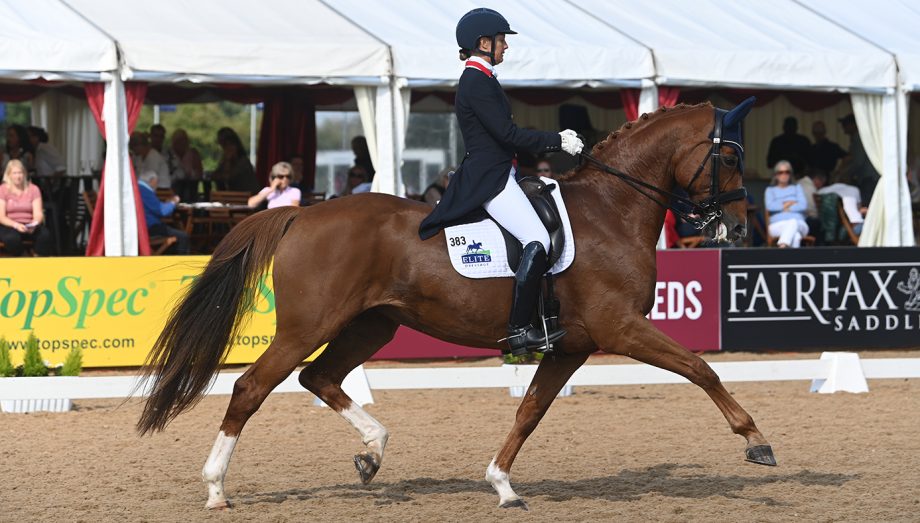
Dressage is an art form that requires precision, harmony, and a deep connection between horse and rider. One of the key elements to achieving success in this discipline is maintaining a consistent rhythm. However, rhythm issues can arise, disrupting the flow and grace of a performance. This guide will explore practical strategies to address and correct these rhythm challenges, ensuring a more fluid and harmonious ride.
Understanding the root causes of rhythm problems is essential. Factors such as tension, lack of balance, or improper training methods can all contribute to inconsistencies. By identifying these issues early, riders can implement effective solutions to enhance their dressage performance. For those interested in the safety aspects of equestrian sports, our article on Snell E2016 Safety Standard Explained provides valuable insights.
Identifying Common Rhythm Problems
Before addressing rhythm issues, it’s crucial to identify them accurately. Common problems include irregular tempo, uneven strides, and a lack of synchronization between horse and rider. These issues can often be observed during transitions or changes in gait. Riders should pay close attention to their horse’s movement and listen for any inconsistencies in the beat.
Strategies for Improving Rhythm
Once rhythm issues are identified, implementing corrective strategies is the next step. Here are some effective methods:
- Consistent Training Routine: Establishing a regular training schedule helps reinforce rhythm. Incorporate exercises that focus on transitions and tempo control.
- Use of Metronome: A metronome can be a valuable tool for maintaining a steady beat. It provides an auditory cue that both horse and rider can follow.
- Focus on Relaxation: Tension can disrupt rhythm. Techniques such as deep breathing and gentle aids can help the horse relax, promoting a smoother ride.
Enhancing Communication with Your Horse
Effective communication is key to resolving rhythm issues. Riders should strive to develop a deeper connection with their horse, ensuring that aids are clear and consistent. This involves not only physical cues but also an understanding of the horse’s body language and responses.
For more on integrating natural methods into your training, consider exploring the principles and priorities of natural dressage.

Utilizing Professional Guidance
Sometimes, rhythm issues may require the expertise of a professional trainer. An experienced coach can provide personalized feedback and tailor exercises to address specific challenges. Regular lessons can also help reinforce good habits and correct any persistent problems.

Maintaining Progress
Correcting rhythm issues is an ongoing process that requires dedication and patience. Riders should regularly assess their progress and adjust their training routines as needed. Keeping a training journal can be beneficial, allowing riders to track improvements and identify areas that need further attention.
FAQs
What Causes Rhythm Issues in Dressage?
Rhythm issues can be caused by a variety of factors, including tension, lack of balance, and inconsistent training methods. Identifying the root cause is essential for implementing effective solutions.
How Can I Improve My Horse’s Rhythm?
Improving rhythm involves consistent training, using tools like a metronome, and focusing on relaxation techniques. Professional guidance can also be invaluable in addressing persistent issues.
Why Is Rhythm Important in Dressage?
Rhythm is crucial in dressage as it ensures a harmonious and fluid performance. It reflects the synchronization between horse and rider, which is essential for executing movements with precision and grace.