

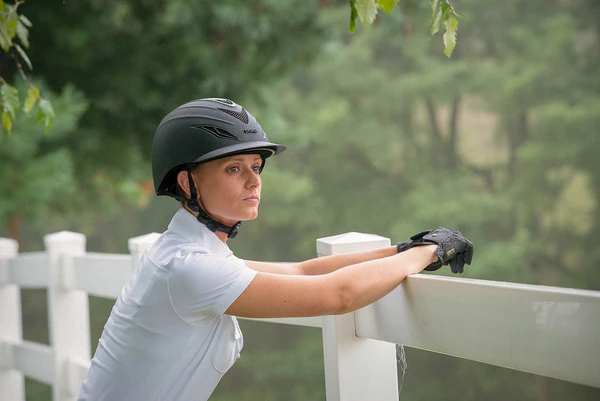
Selecting the right headgear for dressage is about more than just appearance—it’s a vital decision that impacts both safety and performance in the arena. The process of choosing a helmet for dressage involves balancing tradition, modern technology, and strict safety standards. Whether you are a seasoned competitor or new to the discipline, understanding what to look for in a helmet can make a significant difference in your riding experience.
Dressage riders must consider not only the aesthetics of their equipment but also how well it protects them during training and competition. With evolving regulations and a wide array of options on the market, it’s essential to stay informed about the latest advancements and requirements. For those interested in how protective headgear has changed over time, the history of equestrian protective headgear provides valuable context for today’s choices.
Understanding Dressage Helmet Standards and Regulations
When evaluating options for dressage helmet selection, safety certifications are the first priority. Most governing bodies, including the FEI and national federations, require helmets to meet specific standards such as ASTM/SEI, VG1, or PAS015. These certifications ensure that the helmet has passed rigorous impact and retention tests, offering reliable protection in the event of a fall.
It’s important to check the latest rules for your competition level, as requirements may differ between local and international events. In recent years, regulations have become stricter, with many organizations now mandating certified helmets for all riders, regardless of age or experience. This shift underscores the growing recognition of head protection as a non-negotiable aspect of equestrian safety.
Key Features to Look for When Selecting a Dressage Helmet
The process of choosing a helmet for dressage involves more than just picking a certified model. Riders should consider several features to ensure both comfort and security:
- Fit and Adjustability: A helmet must fit snugly without causing discomfort. Look for models with adjustable harnesses and padding to accommodate different head shapes.
- Ventilation: Good airflow helps keep riders cool during extended training sessions or competitions.
- Weight: Lightweight helmets reduce fatigue and are less likely to cause neck strain.
- Chin Strap Design: Secure, easy-to-adjust chin straps are crucial for keeping the helmet in place. For more on this topic, see the importance of chin straps in riding safety.
- Removable Liners: Liners that can be taken out and washed help maintain hygiene and extend the life of the helmet.
Balancing Style and Tradition in Dressage Headgear
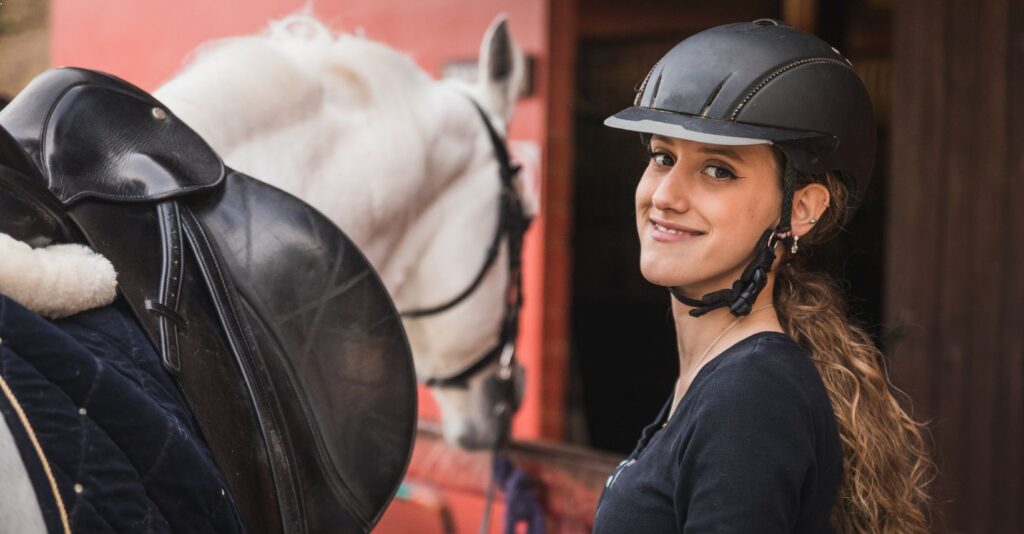
While safety is paramount, the appearance of a helmet remains an important consideration for many dressage riders. Traditional aesthetics often call for a classic black velvet finish, low profile, and minimal embellishments. However, modern designs now offer a variety of finishes, including matte, gloss, and even subtle accents like crystals or piping.
It’s possible to find helmets that meet both safety standards and dressage style expectations. Many brands now offer models specifically designed for the discipline, blending traditional looks with advanced protective features. For those interested in sun protection as well as style, the benefits of wide brim riding helmets are worth considering, especially for outdoor arenas.
Modern Safety Technologies in Dressage Helmets
Advances in helmet technology have introduced features that go beyond basic impact protection. Multi-directional Impact Protection System (MIPS), for example, is designed to reduce rotational forces during certain types of falls. For a deeper dive into how these innovations work, see this comprehensive guide to what makes a riding helmet safe.
Other notable advancements include improved shell materials, enhanced ventilation systems, and antimicrobial linings. These features not only increase protection but also contribute to the overall comfort and longevity of the helmet. Riders are encouraged to stay updated on the latest developments by exploring resources like the safety features of modern riding helmets.

Care, Maintenance, and Replacement Guidelines
Proper care extends the lifespan of your helmet and ensures it continues to offer optimal protection. Always store your helmet in a cool, dry place and avoid exposing it to direct sunlight for prolonged periods. Removable liners should be washed regularly, and the shell can be wiped down with a damp cloth.
Helmets should be replaced after any significant impact, even if there are no visible signs of damage. Most manufacturers recommend replacing your helmet every five years, as materials can degrade over time. To keep your gear fresh and odor-free, follow these simple cleaning tips for riding helmets.
Frequently Asked Questions
What certifications should a dressage helmet have?
Helmets for dressage should carry certifications such as ASTM/SEI, VG1, or PAS015. These standards indicate that the helmet has passed safety tests for impact resistance and retention, which are required by most competition organizations.
How do I know if my helmet fits correctly?
A well-fitting helmet should sit level on your head, covering the forehead without slipping forward or backward. It should feel snug but not uncomfortably tight, and the chin strap should be secure yet allow you to open your mouth comfortably.
Can I use the same helmet for different equestrian disciplines?
While many helmets are versatile, some disciplines have specific style or safety requirements. For dressage, a classic appearance is often preferred, and the helmet must meet the necessary safety certifications. Always check the rules for each discipline and event before competing.
How often should I replace my dressage helmet?
Replace your helmet after any fall or impact, even if there’s no visible damage. Otherwise, plan to get a new helmet every five years, as materials can degrade and lose effectiveness over time.