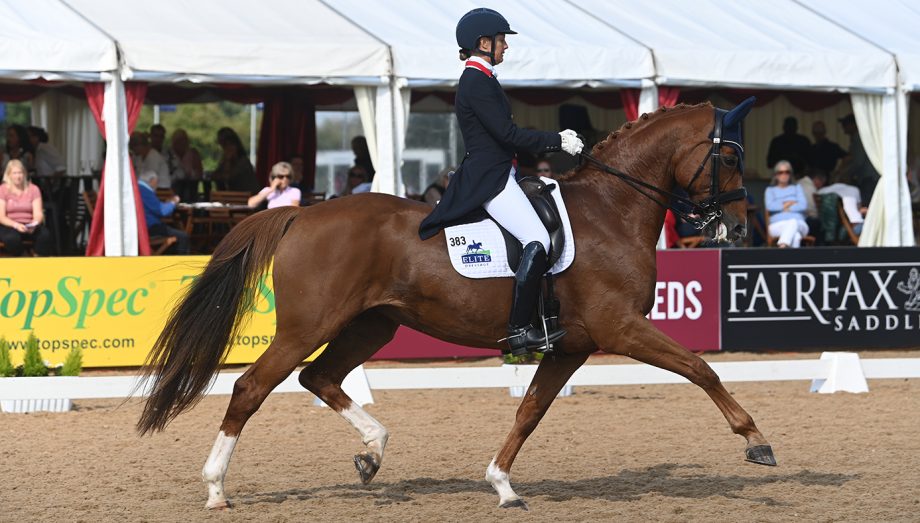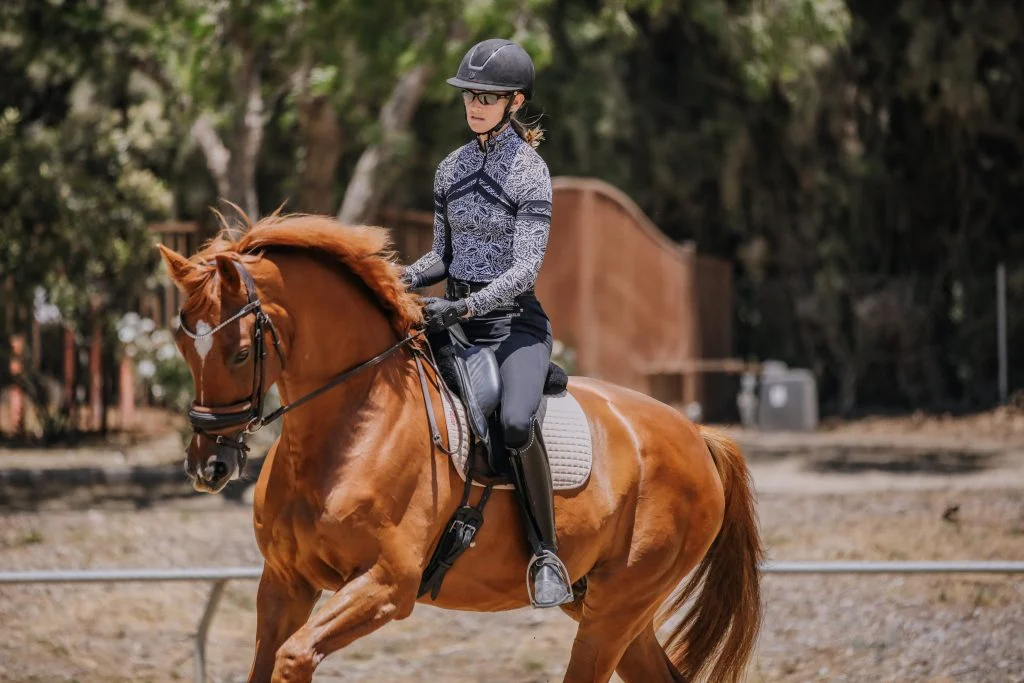
Dressage, often described as the art of riding and training a horse in a manner that develops obedience, flexibility, and balance, is a discipline that requires constant communication between rider and horse. One of the critical aspects of improving in dressage is the feedback received during lessons. This guide aims to explore the nuances of interpreting and utilizing feedback effectively to enhance your dressage skills.
Before diving into the specifics of feedback, it’s essential to recognize the importance of safety in equestrian activities. For those interested in learning more about safety standards, the Snell E2016 Safety Standard Explained offers valuable insights.
The Role of Feedback in Dressage Training
Feedback in dressage is not just about correcting mistakes; it’s a tool for growth and improvement. Effective feedback helps riders understand their current performance level, identify areas for improvement, and set realistic goals. It is a continuous loop that involves observation, analysis, and action.
Types of Feedback
Feedback in dressage can be categorized into several types, each serving a unique purpose:
- Verbal Feedback: This is the most common form, where instructors provide immediate comments on the rider’s performance. It helps in making quick adjustments.
- Visual Feedback: Watching videos of your sessions can provide a different perspective, allowing you to see what your instructor sees.
- Written Feedback: Detailed notes from your instructor can be invaluable for reviewing after the lesson.
How to Interpret Feedback Effectively
Understanding and interpreting feedback is crucial for making the most out of your dressage lessons. Here are some strategies to help you:
Active Listening
When receiving feedback, it’s important to listen actively. This means paying full attention, asking clarifying questions, and reflecting on the advice given. Active listening ensures that you fully understand the feedback and can apply it effectively.
Keeping an Open Mind
Feedback can sometimes be hard to hear, especially if it highlights areas of weakness. However, maintaining an open mind and being receptive to constructive criticism is essential for growth. Remember, feedback is not a personal attack but a tool for improvement.

Applying Feedback to Improve
Once feedback is received and understood, the next step is application. This involves setting specific, measurable goals and creating a plan to achieve them. Regular practice and reflection are key components in this process.
Setting Goals
Based on the feedback, set achievable goals that focus on improving specific aspects of your riding. These goals should be clear and time-bound to facilitate progress tracking.
Regular Practice
Consistent practice is essential for reinforcing the changes you aim to make. Regularly revisiting the feedback and adjusting your approach as needed will help solidify new skills.
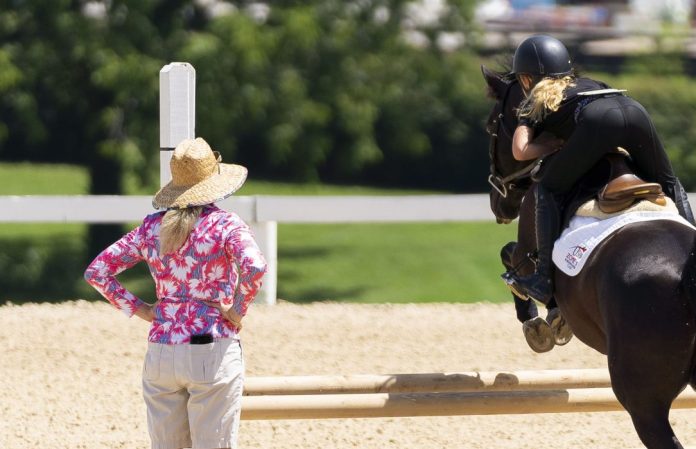
Additional Resources
For those new to dressage, understanding the basics is crucial. You can learn more about the fundamentals by exploring what dressage is and how to get started. Additionally, selecting the right gear is important, and you might find the guide on choosing a helmet for dressage helpful.
Frequently Asked Questions
What is the importance of feedback in dressage?
Feedback is crucial in dressage as it helps riders identify their strengths and weaknesses, allowing them to make informed adjustments to improve their skills.
How can I ensure I understand the feedback given?
To ensure you understand feedback, actively listen, ask questions for clarification, and reflect on the advice given. This approach helps in applying the feedback effectively.
What should I do if I disagree with the feedback?
If you disagree with feedback, discuss your concerns with your instructor. Open communication can lead to a better understanding and more tailored advice.