


When it comes to horse care, ensuring your horses receive the best nutrition is paramount. One of the key aspects of this is testing hay quality for horses. This guide aims to provide you with all the necessary information to understand, test, and evaluate hay, ensuring it meets the nutritional needs of your equine friends.
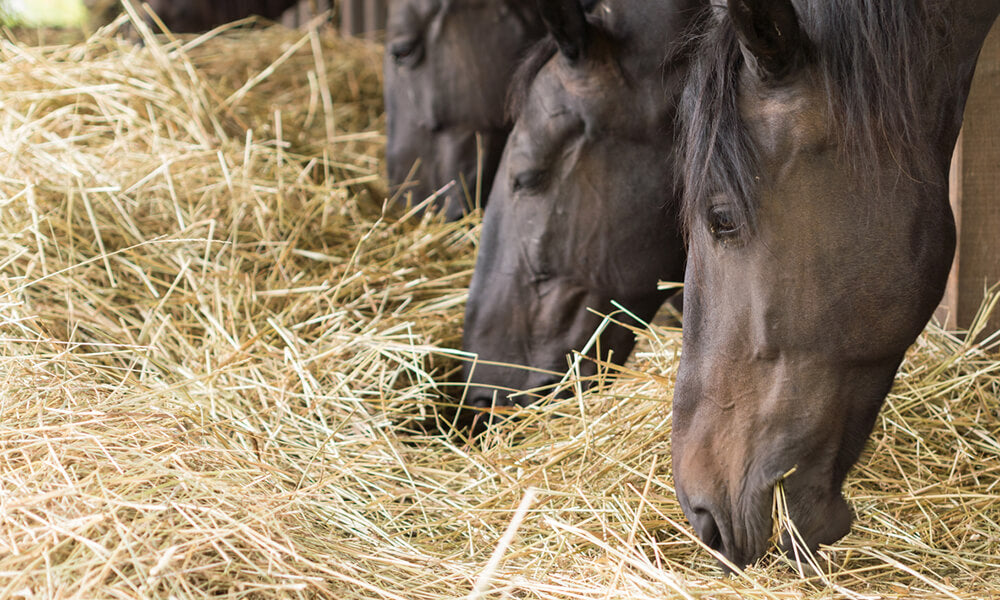
1. Why is Hay Quality Testing Important?
Hay is a fundamental part of a horse’s diet, providing essential nutrients. Hence, testing hay quality for horses ensures that your horse is getting the right nutrients. Poor quality hay can lead to nutritional deficiencies or even health issues. To prevent this, nutritional myopathies in horses should be monitored closely when assessing feed.
2. Understanding Hay Nutritional Values
The nutritional value of hay depends on various factors, including species of grass, maturity at harvest, and storage conditions. Key components to look out for include protein, fiber, and energy levels, as well as vitamins and minerals.
2.1 Importance of Protein
Protein is crucial for muscle development and repair. Timely testing hay quality helps equine caretakers ascertain protein levels.
2.2 Fiber and Digestive Health
Adequate fiber is vital for maintaining digestive health in horses. High fiber content promotes gut health, which is essential for overall wellbeing.
3. Common Indicators of High-Quality Hay
A few tell-tale signs can help determine the quality of hay visually. High-quality hay generally has a bright green color, a fresh smell, and is free from mold, dust, and weeds.
3.1 Color and Freshness
Bright color indicates good quality. It suggests that the hay was properly stored and not exposed to excessive moisture.
3.2 Odor and Texture
A fresh, sweet smell and a soft, pliable texture are indicators of quality hay.
4. Methods for Testing Hay Quality
Testing hay quality for horses involves both visual inspection and laboratory testing.
4.1 Visual Inspection
Start with a visual examination. Look for signs like color, texture, and presence of foreign matter.
4.2 Laboratory Testing
For more precise results, laboratory testing is recommended. This process involves analyzing samples for nutrient content, and it can reveal detailed information about protein levels, fiber content, and more.
5. The Role of Moisture Content in Hay Quality
Moisture content affects both the quality and the storage of hay. High moisture can lead to mold formation, whereas too dry hay might be too coarse.
5.1 Ideal Moisture Levels
A moisture content of 10-15% is generally advisable for optimal quality and storage.
6. Storing Hay Properly
Proper storage is key to maintaining hay quality. It should be kept in a dry, well-ventilated area to prevent mold and degradation.
6.1 Considerations for Storage
Always use ventilation to control moisture levels, and avoid direct contact with the ground.
7. The Importance of Consistency in Hay Quality
Providing consistent quality hay ensures stable nutritional intake and helps prevent digestive issues.
7.1 How to Maintain Consistency
Regular tests and storage inspections can help maintain consistent hay quality.
8. Potential Risks of Poor Quality Hay
Poor quality hay can lead to nutritional deficiencies. Be aware of Vitamin A deficiencies and other issues that can arise from inadequate nutrition.
9. Economic Impact of Hay Quality
Economically, high-quality hay can save money in the long run on vet bills and additional supplements.
9.1 Cost-Benefit Analysis
Conducting a cost-benefit analysis can help determine whether high-quality hay saves money in the long term.
10. Conclusion
Investing time in testing hay quality for horses is invaluable for their health and well being. It ensures that your horse is receiving the necessary nutrients for a healthy lifestyle.
10.1 Final Thoughts
Make sure to implement regular testing and maintain good storage practices. Your horses will thank you for it!
11. FAQs
11.1 How often should I test hay quality?
Testing at least once per year or when switching to a new batch is advisable to ensure consistent quality.
11.2 Can poor-quality hay be improved?
In some cases, supplements can compensate for deficiencies, but its always better to start with high-quality hay.
11.3 What are the risks of not testing hay?
Not testing can lead to nutritional imbalances, which may harm your horses health over time.
This article contains affiliate links. We may earn a commission at no extra cost to you.