

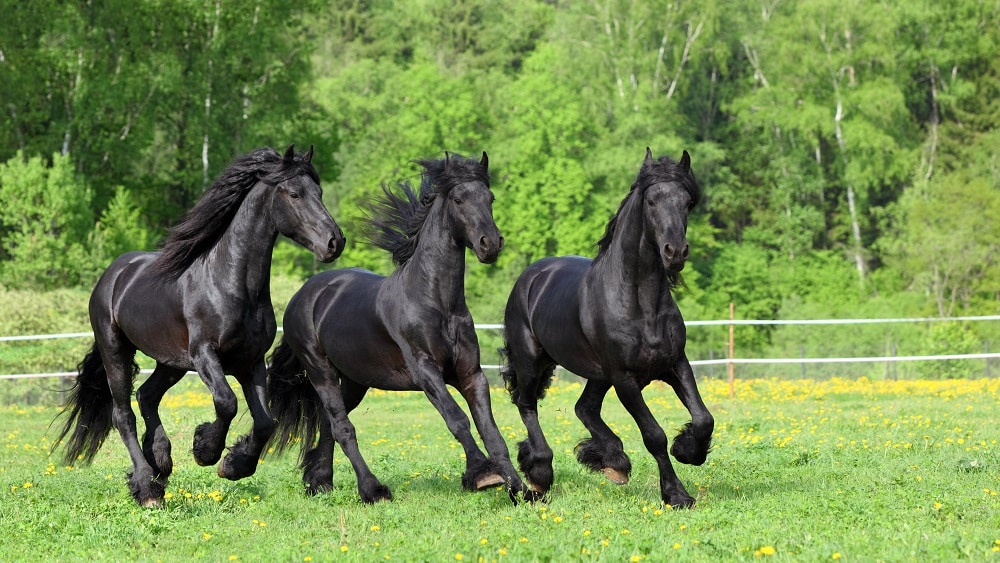
Raising a Friesian foal is a rewarding journey that requires dedication, knowledge, and a thoughtful approach to care. Friesians are known for their striking appearance, gentle temperament, and athleticism, making them a favorite among horse enthusiasts. However, their unique needs from birth through adolescence mean that attentive management is essential for healthy growth and development. This article explores the key stages in a young Friesian’s life, offering practical advice on nutrition, socialization, training, and health care to help you nurture a well-adjusted, thriving horse.
Whether you’re a first-time breeder or an experienced horse owner, understanding the specific requirements of Friesian foals will set the foundation for a strong bond and a successful future. For a broader perspective on this remarkable breed, you may find the complete guide to Friesian horses a valuable resource.
Understanding Friesian Foal Development
The early months of a Friesian’s life are critical for establishing lifelong health and temperament. From the moment they stand on wobbly legs, these foals begin a rapid journey of physical and mental growth. Monitoring their progress and recognizing key milestones ensures that any issues are addressed promptly.
Birth to Three Months: The Foundation Stage
In the first days, Friesian foals rely entirely on their dam for nourishment and security. Colostrum intake within the first 12 hours is vital for immunity. During this period, observe for:
- Steady weight gain and alertness
- Regular nursing and bonding with the mare
- Curiosity and early attempts at play
Veterinary checks are essential in the first week to assess overall health, check for congenital issues, and ensure the foal is nursing well. Routine handling, such as gentle touching and picking up hooves, can begin early to encourage trust and cooperation.
Three to Six Months: Socialization and Weaning
As Friesian foals grow, their need for social interaction increases. Exposure to other horses, people, and new environments helps develop confidence and adaptability. Gradual weaning typically begins around four to six months, depending on the foal’s development and the mare’s condition.
During this phase, introduce solid feeds and high-quality forage to support growth. For Friesians, a balanced diet is crucial due to their tendency toward rapid bone and muscle development. For detailed information on nutrition, see this comprehensive guide to Friesian nutrition.
Nutrition and Feeding Practices
Proper nutrition is a cornerstone of raising a Friesian foal successfully. These horses have specific dietary needs that support their size and energy requirements. A focus on gradual, steady growth helps prevent developmental issues such as orthopedic problems.
- Milk and Creep Feeding: For the first few months, mare’s milk is the primary food source. Creep feeding—offering a special foal feed in a separate area—can be introduced by two months to ease the transition to solid food.
- Forage: High-quality hay and pasture should be available as the foal matures. Avoid overfeeding rich feeds, as Friesians are prone to weight gain.
- Supplements: Consult your veterinarian before adding supplements, as excesses can be as harmful as deficiencies. Monitor calcium, phosphorus, and trace minerals closely.
Always provide clean, fresh water and monitor intake, especially during hot weather or after exercise.
Essential Health Care for Friesian Foals
Maintaining good health is central to successful foal rearing. Friesians can be susceptible to certain conditions, so proactive care is vital.
- Vaccinations and Deworming: Work with your veterinarian to establish a schedule appropriate for your region and farm environment. Early deworming helps prevent parasite loads that can stunt growth.
- Hoof Care: Begin regular hoof trimming within the first months. Friesians have strong, fast-growing hooves that require consistent maintenance.
- Monitoring Growth: Track weight and height regularly. Sudden changes or lameness may indicate nutritional imbalances or orthopedic issues.
Routine grooming not only keeps the foal clean but also builds trust and makes future handling easier. For tips on daily responsibilities, see this guide on horse ownership responsibilities.
Training and Socialization Milestones
Early training lays the groundwork for a well-mannered adult horse. Friesian foals are intelligent and eager to please, making them responsive to gentle, consistent handling.
- Leading and Haltering: Introduce the halter and lead rope gradually. Practice short sessions, rewarding calm behavior.
- Desensitization: Expose the foal to grooming tools, blankets, and new sights and sounds. This reduces anxiety and builds confidence.
- Respect for Boundaries: Teach the foal to respect personal space and respond to basic cues. This is crucial for safety as the horse grows larger and stronger.
Positive reinforcement, patience, and consistency are key. Avoid harsh corrections, as Friesians are sensitive and can become wary if frightened.

Common Challenges When Raising Friesian Youngsters
While Friesian foals are generally robust, there are challenges unique to the breed and the process of nurturing young horses. Some common concerns include:
- Rapid Growth: Friesians can grow quickly, putting stress on joints and bones. Careful diet management and regular exercise help prevent developmental orthopedic disease.
- Socialization Issues: Isolated foals may develop behavioral problems. Ensure plenty of interaction with other horses and humans.
- Grooming Needs: Their thick manes and tails require regular attention to prevent tangles and skin issues. Use gentle products and tools designed for young horses.
For more on equine communication and behavior, explore this article on equine behavior and communication.
Preparing for the Next Stages
As your Friesian foal approaches its first year, the focus shifts toward preparing for more advanced training and eventual riding. Continue reinforcing good manners, introduce new experiences gradually, and maintain a consistent routine. Regular veterinary checkups, dental care, and hoof maintenance remain essential.
Building a strong foundation during the first year will pay dividends throughout your horse’s life. For tips on balancing horse care with your daily routine, you might appreciate these equestrian lifestyle tips.
Frequently Asked Questions
- How often should a Friesian foal be handled?
- Daily, gentle handling is ideal. Short, positive sessions help the foal become accustomed to human interaction and routine care tasks such as grooming and hoof picking.
- What is the best age to start training Friesian foals?
- Basic training and desensitization can begin within the first few weeks. More structured groundwork typically starts around six months, always tailored to the foal’s maturity and temperament.
- Are Friesian foals prone to specific health problems?
- While generally healthy, Friesians can be susceptible to rapid growth-related issues and certain genetic conditions. Regular veterinary care, balanced nutrition, and appropriate exercise help minimize risks.
Raising a Friesian foal is a journey that demands patience, knowledge, and a genuine commitment to the horse’s well-being. By understanding each developmental stage and providing attentive care, you’ll help your young Friesian grow into a healthy, confident, and cherished companion.