

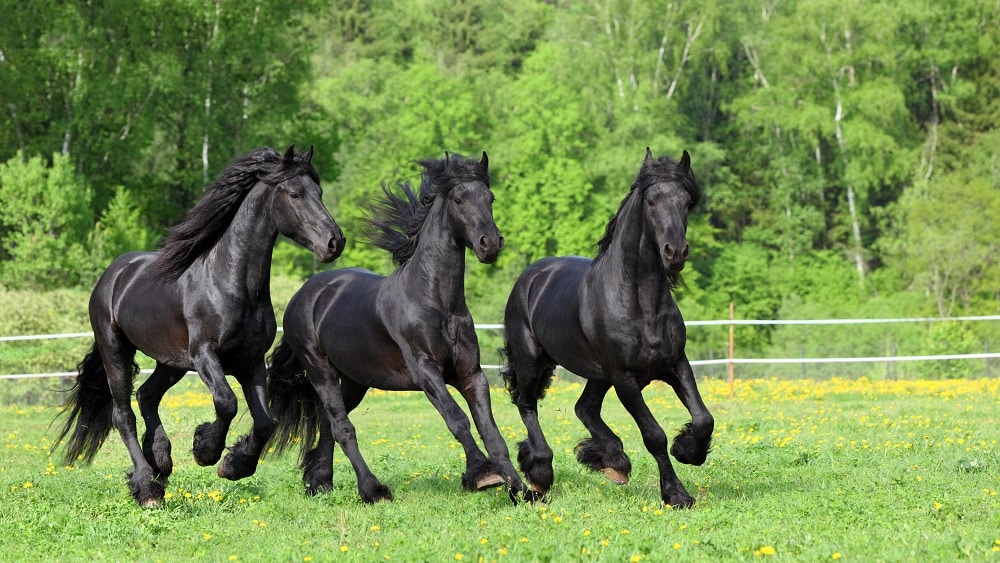
The Friesian horse breed standards are admired worldwide for their distinctive appearance, athletic ability, and gentle temperament. Originating from the Friesland region of the Netherlands, these horses are instantly recognizable by their striking black coats, flowing manes, and elegant movement. Whether you are a breeder, rider, or enthusiast, understanding the official conformation and characteristic traits is essential for appreciating what makes this breed unique.
This article provides a comprehensive overview of the physical and behavioral qualities that define the Friesian, including their ideal build, movement, and temperament. For those seeking a broader perspective on care, history, and daily management, the complete guide to Friesian horses offers additional insights.
Physical Characteristics and Ideal Conformation
The Friesian is renowned for its noble and harmonious build. According to established Friesian horse breed standards, the following features are considered ideal:
- Head: Well-proportioned, expressive, and slightly convex (Roman nose), with wide-set eyes and small, alert ears that often curve inward at the tips.
- Neck: Long, arched, and muscular, blending smoothly into the withers and shoulders. The neck should be set high and carried proudly.
- Body: Deep chest, well-sprung ribs, and a strong, short back. The croup is slightly sloping and rounded, contributing to the breed’s powerful hindquarters.
- Legs: Clean, straight, and well-muscled with ample bone. The lower legs are adorned with “feathering”—long, silky hair that covers the fetlocks and flows over the hooves.
- Hooves: Large, well-shaped, and strong, supporting the horse’s substantial frame.
- Height: Typically ranges from 15.2 to 17 hands (62 to 68 inches at the withers), with stallions often at the taller end of the spectrum.
One of the most iconic features is the solid black coat. While a small white star on the forehead is permitted, any other white markings are considered undesirable according to breed registries.
Movement and Action: What Sets Friesians Apart
Movement is a defining element of the Friesian horse breed standards. These horses are celebrated for their elevated, powerful, and graceful gaits. The trot, in particular, is high-stepping and animated, with pronounced knee and hock action. This makes the Friesian a favorite for dressage, driving, and exhibitions.
The walk should be purposeful and ground-covering, while the canter is balanced and rhythmic. Judges look for suppleness, elasticity, and a natural ability to “sit” and collect, which is essential for advanced riding disciplines.
Color, Mane, and Feathering: Signature Traits
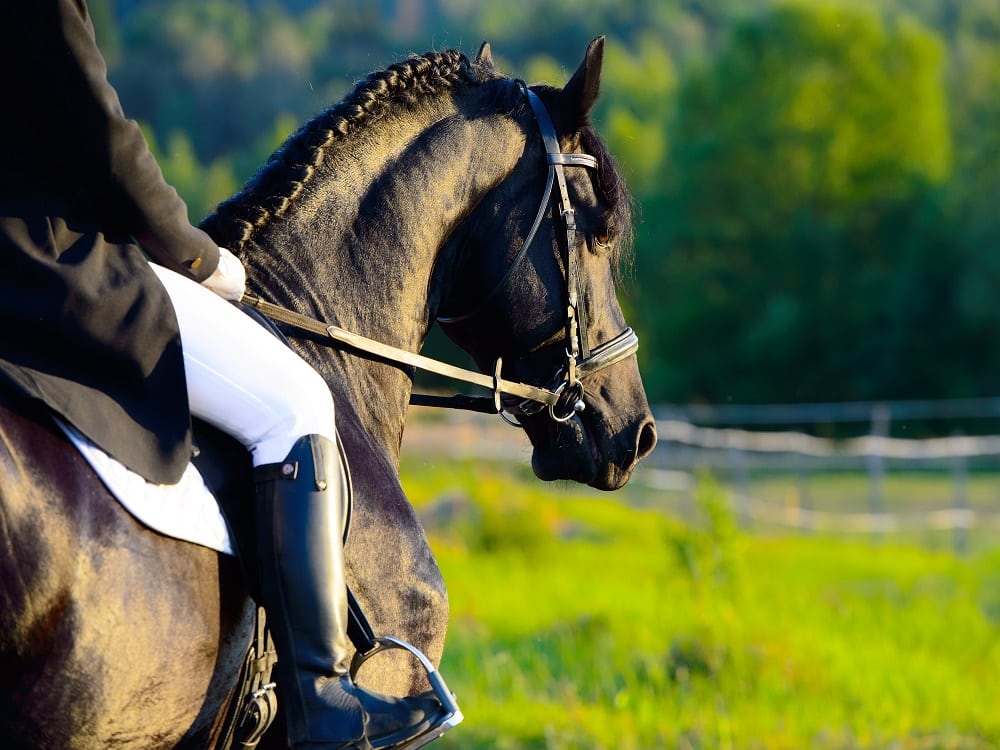
Friesians are famous for their lustrous black coats, but their abundant mane, tail, and feathering are equally iconic. The mane and tail are left untrimmed and should be long, thick, and wavy. Feathering on the lower legs is soft and silky, adding to the breed’s dramatic appearance.
Grooming these features requires dedication. Regular washing, conditioning, and careful detangling help maintain the signature look. For practical tips on keeping your Friesian’s coat and hair in top shape, consider using specialized grooming products and routines.

Temperament and Behavioral Qualities
Beyond their physical beauty, Friesians are valued for their calm, willing, and people-oriented nature. They are intelligent and eager to learn, making them suitable for a range of disciplines and riders. Their gentle disposition is especially appreciated in therapeutic riding and family settings.
Understanding equine behavior and communication can help owners build a stronger bond with their Friesian, ensuring a positive partnership both in and out of the saddle.
Health, Care, and Maintenance Considerations
Maintaining the health and appearance of a Friesian requires attention to nutrition, grooming, and exercise. The breed is generally robust, but some lines may be prone to certain conditions such as dwarfism, hydrocephalus, or aortic rupture. Regular veterinary checkups and a balanced diet are essential for longevity and performance.
For advice on feeding and supplements tailored to this breed’s needs, the resource on nutrition for Friesians provides practical guidance. Additionally, daily grooming helps prevent skin issues and keeps the mane and feathering in optimal condition.
Breed Registration and Evaluation
To ensure the preservation of quality and authenticity, Friesians are registered with organizations such as the Koninklijke Vereniging “Het Friesch Paarden-Stamboek” (KFPS) and the Friesian Horse Association of North America (FHANA). Horses are evaluated based on strict criteria, including conformation, movement, and temperament.
Foals are inspected and given a “premie” (premium) rating, while adult horses may earn the prestigious “Ster” predicate if they meet or exceed breed standards. These evaluations help maintain the integrity of the breed and guide responsible breeding practices.
Common Uses and Versatility
While Friesians are best known for their presence in dressage and driving, their versatility extends to pleasure riding, exhibitions, and even film and television. Their combination of beauty, strength, and trainability makes them suitable for a variety of equestrian pursuits.
Prospective owners should be aware of the horse ownership responsibilities involved, including the time, costs, and daily care required to keep a Friesian healthy and happy.
Frequently Asked Questions
What is the ideal height for a Friesian horse?
The breed standard typically calls for a height between 15.2 and 17 hands (62 to 68 inches at the withers). Stallions are often taller, while mares and geldings may be on the lower end of the range.
Are Friesians always black?
Yes, the breed is known for its solid black coat. A small white star on the forehead is allowed, but any other white markings are considered undesirable according to official standards.
What kind of temperament do Friesians have?
Friesians are known for their gentle, willing, and intelligent nature. They are generally calm, easy to train, and form strong bonds with their handlers, making them suitable for riders of various experience levels.
How much grooming does a Friesian require?
Due to their long mane, tail, and feathering, Friesians require regular grooming to prevent tangles and keep their coat healthy. Daily brushing and occasional washing with specialized products are recommended.
Are Friesians suitable for beginners?
Many Friesians have a calm and forgiving temperament, making them a good choice for novice riders. However, their size and strength mean that proper training and handling are important for safety and enjoyment.
Conclusion
The Friesian horse breed standards reflect centuries of careful breeding and admiration for this remarkable horse. From their elegant conformation to their expressive movement and kind temperament, Friesians continue to captivate horse lovers around the world. Whether you are interested in showing, riding, or simply appreciating their beauty, understanding these standards is key to recognizing and preserving the qualities that make the Friesian truly exceptional.