

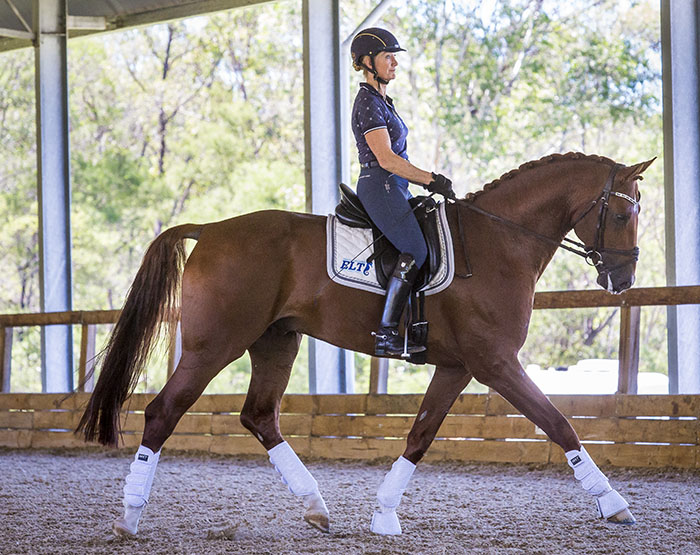
The art of dressage is built on a foundation of precision, harmony, and communication between horse and rider. Among the most celebrated movements in advanced dressage are the piaffe and passage. These collected gaits showcase a horse’s strength, balance, and responsiveness, making them both a technical challenge and a visual highlight in any performance. Understanding the essentials of these movements is crucial for riders aiming to progress in dressage or deepen their appreciation for the discipline.
Whether you are a rider looking to introduce your horse to collected work, or simply want to understand what sets these movements apart, this guide will break down the core principles, training approaches, and common challenges. For those interested in broader equestrian safety and equipment, you may also want to explore how to find the right riding helmet for your head shape for a comprehensive look at rider protection.
Understanding Collected Movements in Dressage
Collected movements like piaffe and passage are the result of years of careful training and conditioning. In these gaits, the horse demonstrates an elevated, cadenced trot with increased flexion of the hindquarters and a light, uphill frame. The rider’s aids must be subtle yet effective, encouraging the horse to remain relaxed while maintaining energy and engagement.
Both movements are considered the pinnacle of collection, requiring the horse to shift more weight to the hind legs and develop significant core strength. Mastery of these gaits is a testament to the partnership between horse and rider, as well as the athleticism and willingness of the horse.
What Is Piaffe?
The piaffe is a highly collected, cadenced trot performed almost in place. The horse lifts and lowers diagonal pairs of legs with minimal forward movement, displaying rhythm, elevation, and balance. Key features include:
- Diagonal movement: The horse moves the left foreleg and right hind leg together, and vice versa, as in a regular trot.
- Minimal forward motion: The horse should appear to be trotting on the spot, with only slight advancement if any.
- Engagement and elevation: The hindquarters are deeply engaged, and the forehand is elevated, creating an impression of lightness.
- Relaxed, supple frame: The horse’s poll is the highest point, and the neck is arched without tension.
Developing a correct piaffe requires patience and a step-by-step approach, often beginning with groundwork and progressing to ridden work as the horse gains confidence and strength.
Passage: The Elevated Trot
Passage is a highly collected, elevated trot characterized by pronounced suspension and a slow, majestic rhythm. Unlike piaffe, passage involves clear forward movement, but with more elevation and cadence than a regular trot. Key elements include:
- Suspension: The horse spends more time in the air between steps, creating a floating impression.
- Cadence and rhythm: Each step is deliberate and expressive, with a clear, regular beat.
- Engagement: The hindquarters are active, propelling the horse forward while maintaining balance and elevation.
- Uphill frame: The horse’s front end is lifted, and the neck is arched, showing self-carriage and lightness.
Passage is often introduced after the horse has developed strength and confidence in collected trot and piaffe. It requires a sensitive rider who can encourage forward energy without sacrificing relaxation or rhythm.
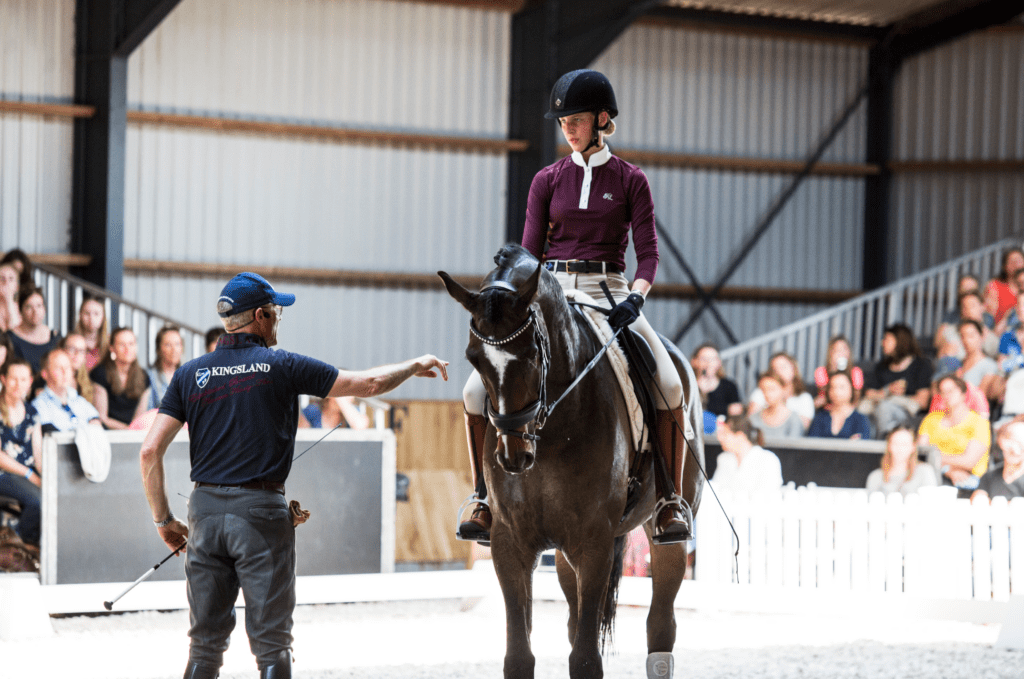
Training for Collection: Building Blocks for Success
Achieving correct piaffe and passage is a gradual process. Horses must develop strength, flexibility, and understanding through systematic training. Some foundational steps include:
- Basic obedience and relaxation: Before attempting advanced movements, ensure the horse is responsive to the aids and works calmly in all basic gaits.
- Transitions: Frequent transitions between gaits and within the trot help develop engagement and balance.
- Lateral work: Exercises such as shoulder-in, haunches-in, and half-pass encourage suppleness and hindquarter activity.
- Groundwork: In-hand work can introduce the concepts of collection and diagonal movement without the added complexity of a rider’s weight.
- Short, positive sessions: Keep training sessions brief and rewarding to maintain the horse’s enthusiasm and prevent fatigue.
For those interested in the broader context of dressage and its origins, this beginner’s guide to dressage provides helpful background and additional resources.
Common Challenges and Solutions
Even experienced riders and horses encounter difficulties when working on advanced collected gaits. Some frequent issues include:
- Lack of engagement: If the horse is not stepping under with the hind legs, revisit groundwork and transitions to build strength.
- Tension or resistance: Ensure the aids are clear and consistent, and avoid over-asking. Relaxation is key to maintaining rhythm and quality.
- Loss of rhythm: If the horse becomes irregular, return to a more forward, working trot before reintroducing collection.
- Rider position: A balanced, independent seat is essential. Riders should avoid leaning forward or using excessive rein pressure.
Progress may be slow, but patience and consistency will yield results. Riders should celebrate small improvements and seek guidance from experienced trainers when needed.
Equipment and Horse Care for Advanced Dressage
Proper equipment supports both horse and rider as they work toward advanced movements. A well-fitted dressage saddle allows for close contact and clear communication, while protective hoof care products can help maintain soundness during intense training. For more on equipment standards, consider reading about the difference between UK and US riding standards to understand how tack and safety gear may vary internationally.
Regular veterinary check-ups, balanced nutrition, and thoughtful conditioning are also crucial. Horses working at this level benefit from routine bodywork and careful monitoring for signs of fatigue or discomfort.
Integrating Piaffe and Passage into Your Training Program
Introducing these collected gaits should be done thoughtfully, with attention to the horse’s physical and mental readiness. Some tips for integrating them into your program include:
- Work on collected trot and transitions before attempting more advanced movements.
- Use in-hand work to introduce the concept of diagonal movement and engagement.
- Reward effort and maintain a positive atmosphere to build the horse’s confidence.
- Alternate between collected work and stretching exercises to prevent stiffness.
- Seek feedback from knowledgeable trainers or clinicians to refine your technique.
Remember, every horse progresses at its own pace. Consistency, patience, and a focus on fundamentals will help you and your horse achieve success in collected work.
Frequently Asked Questions
What is the difference between piaffe and passage?
Piaffe is a trot performed almost in place, with minimal forward movement and strong engagement of the hindquarters. Passage, on the other hand, is an elevated, cadenced trot with clear forward motion and pronounced suspension. Both require collection and balance, but passage is more forward and expressive, while piaffe is more stationary and controlled.
How long does it take to teach a horse these advanced movements?
The timeline varies for each horse and rider. Some horses may begin to understand the basics of collected work within a year, while others may take several years to develop the necessary strength and understanding. Consistent, positive training and attention to the horse’s physical development are key factors in progress.
Can any horse learn piaffe and passage?
Most horses can learn the fundamentals of collected work, but the degree of expression and ease will depend on conformation, temperament, and prior training. Horses with good natural balance, strong hindquarters, and a willing attitude tend to excel. However, patient, systematic training can help almost any horse improve their collection and responsiveness.
Are there risks associated with training these movements?
As with any advanced training, there is a risk of overexertion or injury if the horse is pushed too quickly or without adequate preparation. It is important to monitor the horse’s condition, provide appropriate rest, and seek professional guidance if challenges arise.
Mastering the essentials of collected gaits is a rewarding journey for both horse and rider. With dedication, patience, and a focus on clear communication, these movements can become a highlight of your dressage experience.