


A gleaming, supple coat is a sign of a healthy, well-cared-for horse. Achieving that shine and softness requires more than just regular grooming—it calls for a thoughtful approach to horse conditioning treatment. These treatments not only enhance your horse’s appearance but also support skin health, reduce irritation, and help prevent common coat problems. Whether you’re preparing for a show or simply want your equine companion to look and feel their best, understanding the essentials of coat care is key.
Before diving into the best ways to keep your horse’s coat in top condition, it’s important to recognize that a healthy coat starts with overall wellness. Nutrition, environment, and daily care routines all play a role. However, specialized conditioners and grooming practices can make a dramatic difference in the look and feel of your horse’s hair.
If you’re also interested in safety gear, you might want to learn how to find the right riding helmet for your head shape for a well-rounded approach to equestrian care.
Why Coat Conditioning Matters for Horses
The condition of your horse’s coat is more than just a cosmetic concern. A well-maintained coat acts as a barrier against the elements, insects, and skin infections. Regular use of conditioning treatments for horses can help:
- Lock in moisture, preventing dryness and flakiness
- Reduce static and tangling, making grooming easier
- Enhance natural shine and softness
- Support skin health and comfort
- Minimize the risk of fungal and bacterial issues
Incorporating the right products and techniques into your grooming routine can make a noticeable difference in your horse’s comfort and appearance.
Types of Horse Conditioning Treatments
There are several types of conditioners and treatments available for equine coats. The most common options include:
- Leave-in conditioners: These are applied after washing and left on the coat to provide ongoing moisture and protection.
- Rinse-out conditioners: Used after shampooing, these are rinsed away to leave the hair soft and manageable.
- Spray-on detanglers: Ideal for manes and tails, these help prevent knots and breakage.
- Deep conditioning masks: Used periodically for intensive nourishment, especially during seasonal coat changes.
- Natural oils: Such as coconut, argan, or jojoba oil, which can be massaged into the coat for added shine and hydration.
Choosing the right product depends on your horse’s needs, the climate, and how often you groom.

Step-by-Step Guide to Applying Conditioning Treatments
To get the most out of your horse conditioning treatment, it’s important to follow a consistent process. Here’s a simple routine to maximize results:
- Start with a clean coat: Use a gentle horse shampoo to remove dirt, sweat, and debris. Rinse thoroughly.
- Apply conditioner: Depending on the product, either massage it into the wet coat or spray onto dry hair. Focus on areas prone to dryness or tangling, such as the mane and tail.
- Let it absorb: Allow leave-in products to soak in, or follow directions for rinse-out conditioners.
- Brush gently: Use a soft brush or detangling comb to distribute the conditioner evenly and remove loose hair.
- Repeat regularly: For best results, condition after every wash and as needed between baths.
Regular conditioning not only improves coat quality but also strengthens the bond between you and your horse through positive, hands-on care.
Choosing the Right Products for Your Horse
Not all conditioners are created equal. When selecting a conditioning treatment for horses, consider the following:
- Ingredients: Look for natural, nourishing oils and avoid harsh chemicals that can irritate sensitive skin.
- Formulation: Some products are designed for specific coat types or issues, such as dry skin or brittle hair.
- Ease of use: Spray-on formulas are convenient for quick touch-ups, while deep conditioners may require more time.
- Seasonal needs: Horses may need extra moisture in winter or after heavy sweating in summer.
Reading product labels and reviews can help you find the best match for your horse’s unique needs.
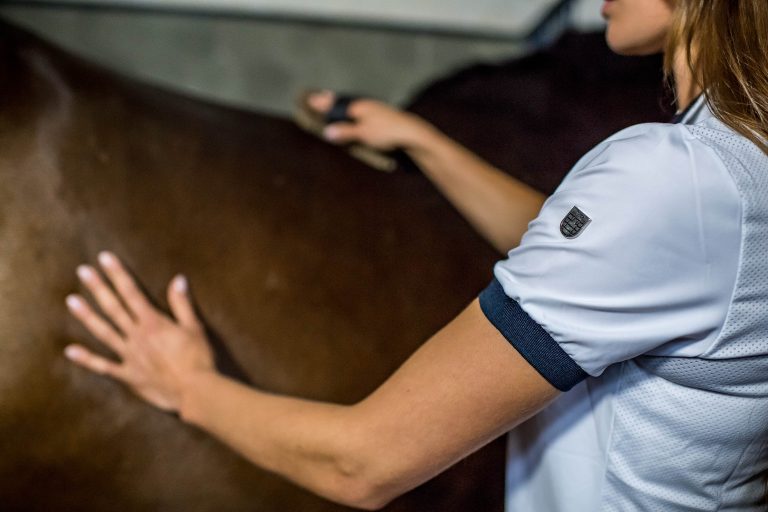
Tips for Maintaining a Soft, Healthy Coat Year-Round
While horse conditioning treatments are essential, a holistic approach ensures lasting results. Here are some practical tips:
- Feed a balanced diet: Proper nutrition, including essential fatty acids, supports healthy hair growth and skin integrity.
- Provide adequate shelter: Protect your horse from harsh weather, which can dry out the coat.
- Groom daily: Regular brushing distributes natural oils and removes debris.
- Watch for skin issues: Address dandruff, rain rot, or parasites promptly to prevent coat damage.
- Use quality grooming tools: The right brushes and combs reduce breakage and support even application of conditioners.
For a comprehensive overview of grooming best practices, check out this step-by-step guide to grooming a horse.
Common Mistakes to Avoid When Conditioning
Even experienced horse owners can make missteps when it comes to coat care. Avoid these pitfalls to ensure your horse’s coat stays in peak condition:
- Over-conditioning: Using too much product can leave the coat greasy or attract dust.
- Neglecting the skin: Focus on both hair and underlying skin for complete care.
- Using human products: Horse skin has different pH and needs; always choose equine-specific formulas.
- Skipping regular grooming: Conditioning works best when paired with consistent brushing and cleaning.
By staying attentive and adjusting your routine as needed, you’ll help your horse look and feel their best.
Frequently Asked Questions
How often should I use a conditioning treatment on my horse?
For most horses, applying a conditioning product after every bath and as needed between washes is sufficient. Horses with dry skin or those in harsh climates may benefit from more frequent applications. Always follow the instructions on your chosen product.
Can I make a homemade conditioner for my horse’s coat?
Some horse owners use natural oils like coconut or olive oil as a simple, homemade alternative. However, it’s important to use these sparingly and test on a small area first to avoid irritation. Commercial products are formulated for safety and effectiveness.
What’s the best way to detangle a horse’s mane and tail?
Start by applying a spray-on detangler or leave-in conditioner, then gently work through knots with your fingers or a wide-tooth comb. Avoid pulling or tugging, as this can cause breakage. Regular maintenance makes detangling easier over time.
Conclusion
A soft, healthy coat is the result of attentive care, proper nutrition, and the right conditioning treatments for horses. By choosing quality products, following a consistent grooming routine, and addressing your horse’s unique needs, you’ll help your equine companion shine—inside and out. Remember, a little extra effort goes a long way toward keeping your horse comfortable, attractive, and ready for any adventure.