

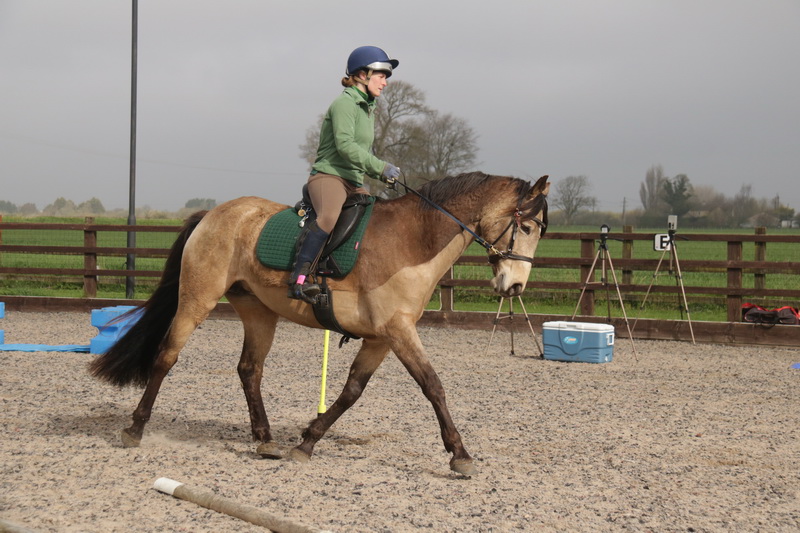
Developing a refined sense of connection with your horse is a cornerstone of successful dressage. Riders often hear about the importance of “feel”—that elusive ability to sense, interpret, and respond to a horse’s movement and subtle cues. Yet, for many, understanding how to enhance this skill can be challenging. Whether you are new to the discipline or looking to advance your partnership, focusing on improving feel in dressage riding can transform your performance and deepen your communication with your horse.
This article explores practical strategies to help you cultivate greater awareness in the saddle, recognize your horse’s feedback, and apply effective techniques for more harmonious riding. Along the way, you’ll find actionable tips, recommended resources, and guidance on equipment that supports your journey. For those interested in safety across all equestrian sports, our guide on how to choose a helmet for eventing offers valuable insights on protective gear.
Understanding the Concept of Feel in Dressage
In the context of dressage, “feel” refers to a rider’s ability to perceive and interpret the horse’s movement, energy, and responses through the seat, legs, and hands. This sensitivity allows for subtle communication and timely corrections, leading to more fluid and precise riding. Developing this skill is not about instinct alone; it is a blend of experience, attentive practice, and conscious reflection.
Riders with a strong sense of feel can detect when a horse is tense, relaxed, or ready to respond to aids. They adjust their cues accordingly, creating a partnership where the horse feels understood and confident. This mutual trust is essential for progressing through the levels of dressage.
Building Awareness in the Saddle
The journey to improving feel in dressage riding starts with building awareness of your own body and its interaction with the horse. Here are some foundational steps:
- Focus on your seat: The seat is the primary point of contact. Practice sitting deeply and evenly, allowing your hips to move with the horse’s back rather than bracing or gripping.
- Relax your body: Tension in the shoulders, arms, or legs can block communication. Take time to stretch before mounting and check in with your body throughout the ride.
- Use your breath: Breathing deeply helps you stay relaxed and centered, making it easier to sense subtle changes in your horse’s movement.
- Ride without stirrups: Occasionally riding without stirrups can enhance balance and help you feel the horse’s motion more directly.

Developing Sensitivity to Your Horse’s Feedback
Horses communicate through subtle shifts in balance, muscle tone, and energy. To become more attuned, riders should practice:
- Observing your horse’s reactions: Notice how your horse responds to different aids, changes in your posture, or transitions between gaits.
- Feeling for rhythm and tempo: Pay attention to the regularity of your horse’s steps. Irregularities can indicate tension or confusion.
- Checking for softness: A horse that is relaxed and accepting of the bit will feel soft in your hands and through the back. If you sense resistance, consider whether your aids are clear and fair.
- Riding with intention: Set clear goals for each session, but remain flexible. Sometimes, the best progress comes from responding to your horse’s needs in the moment.
For a helpful overview of dressage basics and rider development, the beginner equestrian’s guide to dressage riding provides additional context and practical advice.
Exercises to Enhance Feel in Dressage
Regular, focused exercises can accelerate your progress. Consider incorporating the following into your routine:
- Transitions: Practice frequent transitions between walk, trot, and canter. Focus on making them as smooth and prompt as possible, using minimal aids.
- Serpentines and circles: These patterns encourage you to monitor your horse’s balance and adjust your aids to maintain bend and rhythm.
- Half-halts: Mastering the half-halt is essential for rebalancing your horse and preparing for movements. Aim to feel the moment your horse shifts weight back onto the hindquarters.
- Riding with closed eyes (in a safe environment): Briefly closing your eyes at the walk or halt can heighten your awareness of the horse’s movement and your own balance.
Choosing Equipment That Supports Connection
The right tack can make a significant difference in your ability to communicate with your horse. A well-fitted dressage saddle, for example, allows for close contact and balanced posture. If you are considering upgrading, the Stoneleigh II Dressage Saddle is a popular choice among riders seeking comfort and performance.
Hoof health is also crucial for comfort and performance. Using a protective balm can help maintain healthy hooves, especially during periods of increased training or changing weather conditions.

Common Challenges and How to Overcome Them
Even experienced riders encounter obstacles on the path to greater sensitivity. Some common issues include:
- Overthinking: Trying too hard to analyze every movement can lead to tension. Sometimes, letting go and trusting your instincts yields better results.
- Inconsistent practice: Developing feel is a gradual process. Regular, mindful riding sessions are more effective than infrequent, intense efforts.
- Physical discomfort: Poorly fitted equipment or lack of rider fitness can interfere with communication. Address these issues promptly to avoid frustration for both you and your horse.
Remember, progress is rarely linear. Celebrate small improvements and remain patient with yourself and your horse.
Continuing Your Education in Dressage
Working with a knowledgeable instructor is invaluable for refining your skills. A good coach can provide real-time feedback, suggest targeted exercises, and help you interpret your horse’s responses. Attending clinics, watching experienced riders, and studying reputable resources all contribute to your growth.
For those interested in optimizing their riding gear, exploring topics like how to evaluate helmet weight for neck comfort can further enhance your comfort and safety in the saddle.
Frequently Asked Questions
How long does it take to develop feel in dressage?
The timeline varies for each rider, but with consistent, mindful practice, most people notice improvements within a few months. Working with an instructor and riding different horses can accelerate your progress.
Can beginners work on improving their feel?
Absolutely. Even those just starting out can benefit from focusing on relaxation, balance, and awareness. Simple exercises like transitions and riding with attention to rhythm are effective at all levels.
What are some signs that my feel is improving?
You may notice your horse responding more willingly to subtle aids, smoother transitions, and a greater sense of harmony during rides. Increased confidence in your own abilities is another positive indicator.
Does equipment really make a difference in developing feel?
Yes, well-fitted tack and comfortable riding gear can enhance your connection with the horse and allow you to sense feedback more clearly. It’s worth investing in quality equipment as your skills progress.
By prioritizing awareness, sensitivity, and the right support, riders at every stage can make meaningful strides toward a more connected and effective dressage partnership.