

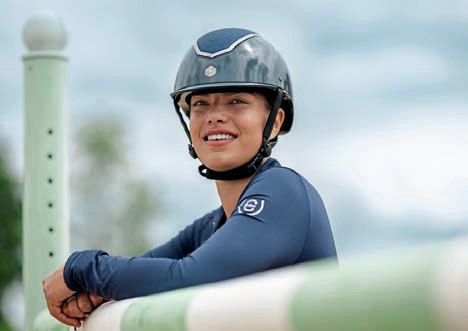
When it comes to equestrian safety, the helmet is one of the most critical pieces of gear. While most riders focus on impact protection and fit, the importance of field of vision in riding helmets is often overlooked. A rider’s ability to see clearly and broadly can make the difference between avoiding hazards and being caught off guard. Whether you’re on the trail, in the arena, or competing in events, maintaining full awareness of your surroundings is essential for both your safety and your horse’s well-being.
Modern helmet designs are evolving to address not just impact resistance, but also how much of the environment a rider can see. A helmet that restricts your peripheral vision can limit your reaction time and overall situational awareness. Understanding how helmet construction affects your view—and what to look for when choosing a helmet—can help you make safer decisions every time you ride.
For those interested in helmet selection for specific disciplines, you may want to explore how to choose a helmet for eventing to ensure you’re protected across all phases of competition.
Why Peripheral Awareness Matters When Riding
Equestrian activities demand a high level of alertness. Horses are prey animals with wide fields of vision, and riders need to match that awareness to anticipate sudden movements, obstacles, or changes in the environment. If your helmet limits your ability to see to the sides, you may miss signals from your horse, other riders, or approaching hazards.
Key reasons why a wide field of view is vital for riders include:
- Early hazard detection: Spotting movement or obstacles in your peripheral vision gives you more time to react.
- Communication with your horse: Being able to see your horse’s ears and body language helps you respond to their cues.
- Group riding safety: In lessons or group rides, awareness of other riders’ positions reduces the risk of collisions.
- Competitive advantage: In events, seeing jumps, markers, or competitors sooner can improve performance and safety.
Helmet Design Features That Affect Vision
The importance of field of vision in riding helmets is directly influenced by several design elements. Not all helmets are created equal when it comes to visibility. Here are the main factors to consider:
- Shell shape and size: Bulky or deep shells may sit lower on the forehead or extend further around the sides, narrowing your view.
- Visor length and angle: While visors protect from sun and rain, overly long or steep visors can block upward or lateral vision.
- Padding and liner thickness: Excessive padding near the temples or brow can encroach on your peripheral sightlines.
- Helmet fit: A helmet that shifts or tilts during riding can unexpectedly block your view, making a proper fit essential. For more on this, see our guide on the importance of a snug riding helmet fit.
Manufacturers are increasingly aware of these issues and are designing helmets that balance safety with unobstructed vision. Some models now feature cutouts or slimmer profiles around the temples to maximize what you can see without compromising protection.
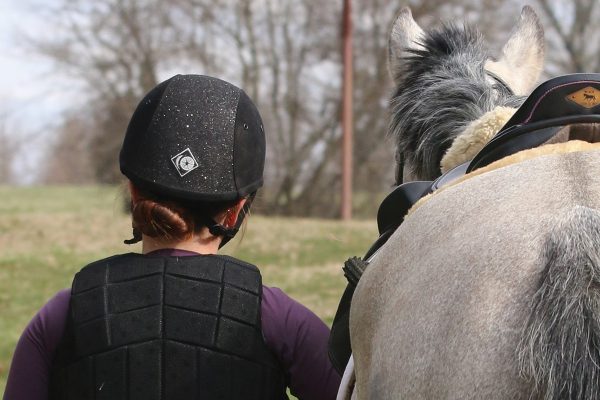
Comparing Helmet Standards and Vision Requirements
Helmet safety standards focus primarily on impact protection, but some also address visibility. For example, certain certifications require that helmets do not excessively restrict the wearer’s field of view. When shopping for a new helmet, check which standards it meets and whether vision is part of the criteria.
Some advanced helmets incorporate technologies like MIPS (Multi-directional Impact Protection System), which aim to reduce rotational forces during a fall without adding unnecessary bulk. To learn more about these innovations, see this detailed explanation of MIPS in equestrian helmets.
It’s also worth noting that different disciplines may have varying requirements. For instance, eventing helmets may prioritize broader vision for cross-country, while show helmets might focus more on style and tradition. If you’re weighing options for different activities, understanding the difference between schooling and show helmets can help you choose the right model for your needs.
Tips for Maximizing Your Field of Vision
To ensure you’re getting the most out of your helmet in terms of visibility, consider the following tips:
- Try before you buy: Always try on helmets and check your range of vision in all directions. Look left, right, up, and down to spot any blind spots.
- Check the fit: A well-fitted helmet should sit level on your head, just above your eyebrows, without shifting as you move. For guidance, review our article on how to evaluate helmet weight for neck comfort.
- Assess visor design: Choose a visor that offers sun protection but doesn’t block your upward or side view.
- Inspect padding placement: Make sure internal padding doesn’t intrude into your peripheral vision.
- Replace damaged helmets: Helmets that have been dropped or involved in a fall may lose their shape and compromise both safety and visibility.
Riders who wear glasses or sunglasses should also check that their eyewear fits comfortably under the helmet and doesn’t further restrict their view.
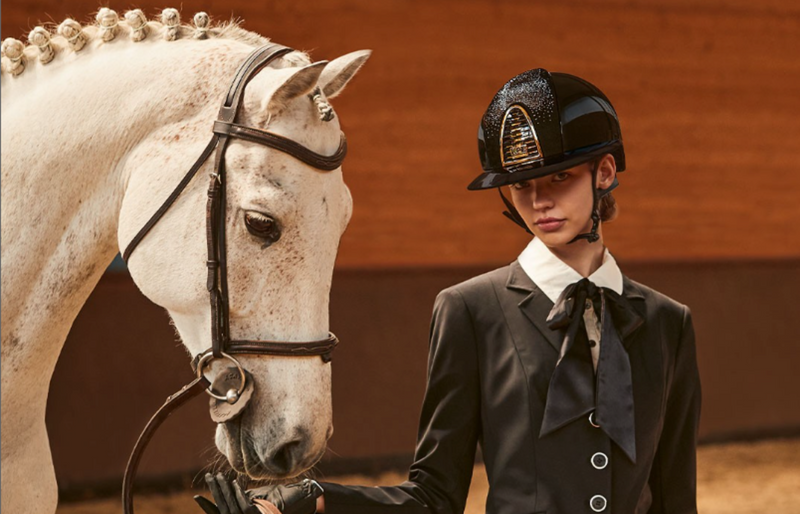
Balancing Safety, Comfort, and Visibility
Choosing a helmet is always a balance between protection, comfort, and how much you can see. While it’s tempting to focus solely on certifications or aesthetics, overlooking visibility can compromise your safety. Helmets that offer a wide, unobstructed view help you stay alert to everything happening around you, from sudden movements by your horse to unexpected obstacles on the trail.
It’s also important to remember that helmet standards and recommendations can change over time as new research emerges. Staying informed about the latest developments and periodically reassessing your gear will ensure you’re always riding with the best possible protection and awareness.
Frequently Asked Questions
How does helmet design impact a rider’s field of vision?
Helmet design affects how much a rider can see by influencing the width and height of the visible area. Features like shell shape, visor length, and padding placement can either expand or restrict your peripheral and upward vision. Helmets designed with a slimmer profile around the temples and a moderate visor tend to offer the broadest view.
Are there safety standards that address field of vision?
Some safety certifications include requirements that helmets must not overly restrict the wearer’s field of view. However, not all standards are equally strict about this aspect. It’s important to review the specifications of any helmet you’re considering and, if possible, try it on to personally assess visibility.
Can I improve my field of vision without changing helmets?
While the helmet’s design is the main factor, you can sometimes improve visibility by adjusting the fit, ensuring the helmet sits level, or replacing thick padding near the temples. However, if your helmet significantly limits your view, it’s best to consider a model specifically designed for wider visibility.
What should I look for when buying a new riding helmet?
Look for helmets that offer a balance of safety certification, comfort, and a wide field of vision. Try on different models, check for blind spots, and ensure the helmet fits snugly without shifting. Pay attention to visor design and internal padding, and always replace helmets after a significant impact.
Staying aware and alert is a cornerstone of safe riding. By prioritizing helmets that maximize your field of vision, you’re taking an important step toward protecting yourself and enjoying every ride with greater confidence.