

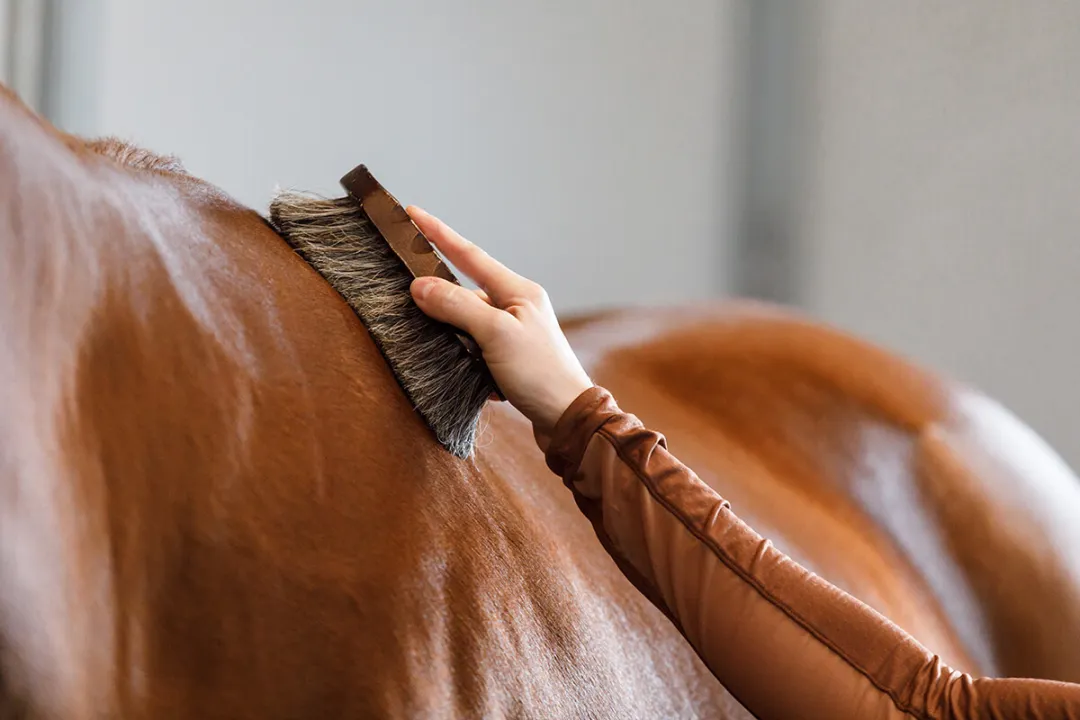
Maintaining a clean and healthy environment for horses is essential for their well-being and performance. Good grooming routines and stable hygiene go hand in hand, helping to prevent disease, skin issues, and discomfort for both horses and handlers. Whether you care for one horse or manage a busy stable, understanding the best practices for cleanliness and grooming can make daily routines more efficient and enjoyable.
This article explores practical horse grooming hygiene tips that support a spotless barn and healthier horses. You’ll find advice on daily routines, tool maintenance, and stable management, plus expert insights and resources for further learning. For those interested in natural approaches, you can also explore our horse grooming natural products guide for eco-friendly solutions.
Why Cleanliness Matters in Horse Grooming
Clean grooming practices are about more than just appearance. They help prevent the spread of bacteria, fungi, and parasites that can cause skin infections, respiratory problems, and other health concerns. A tidy stable also reduces stress for horses and handlers, making daily care safer and more pleasant.
- Reduces risk of skin conditions such as rain rot, ringworm, and dermatitis.
- Prevents cross-contamination between horses, especially in shared facilities.
- Improves horse comfort by removing dirt, sweat, and loose hair.
- Supports early detection of injuries, swelling, or parasites during hands-on care.
Essential Daily Grooming Hygiene Habits
Establishing a consistent routine is the foundation of effective horse care. Here are some key habits to incorporate into your daily schedule:
- Wash your hands before and after grooming each horse, especially if you handle multiple animals.
- Use individual grooming kits for each horse when possible to avoid spreading skin conditions.
- Clean hooves daily to remove debris and check for signs of thrush or injury.
- Disinfect grooming tools regularly, especially after use on a sick or new horse.
- Check for wounds, ticks, or signs of irritation during every grooming session.
Maintaining Grooming Tools and Equipment
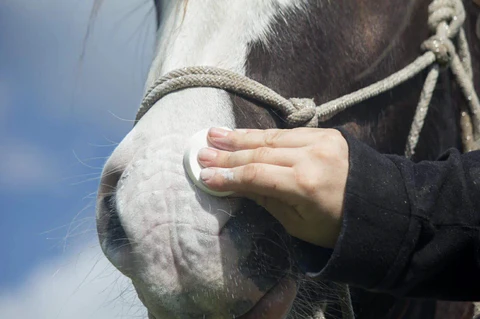
Proper care of brushes, combs, and other equipment is a crucial part of horse grooming hygiene. Dirty tools can harbor bacteria and fungi, undoing your efforts to keep horses healthy.
- Clean brushes weekly with warm water and mild soap. Rinse thoroughly and allow to dry completely before reuse.
- Disinfect tools using a diluted bleach solution or a commercial disinfectant, especially after contact with an infected horse.
- Store grooming kits in a dry, clean area to prevent mold and mildew growth.
- Replace worn or damaged tools promptly to ensure effective grooming and safety.
For more advice on effective grooming routines, see this comprehensive horse grooming guide from equine care experts.
Stable Cleanliness and Its Impact on Grooming
Even the best grooming practices can be undermined by a dirty environment. Keeping stalls, aisles, and tack rooms clean is just as important as caring for the horse itself.
- Muck out stalls daily to remove manure and wet bedding, reducing odor and flies.
- Disinfect buckets and feeders regularly to prevent the spread of bacteria.
- Sweep grooming areas after each use to minimize dust and debris.
- Ventilate stables to control humidity and reduce respiratory risks for horses and humans.
For those working with young riders, our horse grooming for children safety resource offers additional safety and hygiene considerations.

Preventing Cross-Contamination in Shared Facilities
In barns where horses from different owners or backgrounds are housed, the risk of spreading infections increases. Adopting strict hygiene protocols is essential to keep all animals safe.
- Assign separate grooming kits to each horse whenever possible.
- Disinfect common areas and shared equipment between uses.
- Quarantine new arrivals for a period before introducing them to the main stable population.
- Educate staff and visitors on proper handwashing and tool cleaning procedures.
Building trust and cooperation between horses and handlers also supports safer grooming. Learn more about this in our horse grooming trust building article.
Seasonal Adjustments for Optimal Grooming Hygiene
Grooming routines should be adapted to seasonal changes. In spring and fall, shedding increases the need for thorough brushing and tool cleaning. During wet or muddy periods, pay extra attention to hooves and legs to prevent skin infections.
- Use shedding blades or grooming blocks during heavy coat changes.
- Dry horses thoroughly after bathing or turnout in wet weather.
- Monitor for rain rot and mud fever, treating early signs promptly.
- Adjust bedding and ventilation to suit seasonal humidity and temperature.
Frequently Asked Questions
How often should grooming tools be disinfected?
For everyday use, clean brushes and combs weekly with soap and water. Disinfect tools after use on a sick horse or if you notice signs of skin infection. In shared barns, more frequent disinfection is recommended.
What are the signs of poor grooming hygiene in horses?
Watch for dull or matted coats, flaky skin, persistent itching, or the presence of sores and scabs. Unpleasant odors, excessive dust, and visible dirt on equipment or in the stable are also indicators that hygiene needs improvement.
Can I use the same grooming kit for multiple horses?
It’s best to have separate kits for each horse to prevent the spread of skin conditions and parasites. If sharing is necessary, thoroughly clean and disinfect all tools between uses.
Conclusion
Adopting strong horse grooming hygiene tips is a key part of responsible horse care. By following daily routines, maintaining clean equipment, and keeping stables tidy, you help ensure the health, comfort, and happiness of every horse in your care. For those preparing for competitions, our expert tips for horse shows can further enhance your grooming routine.