

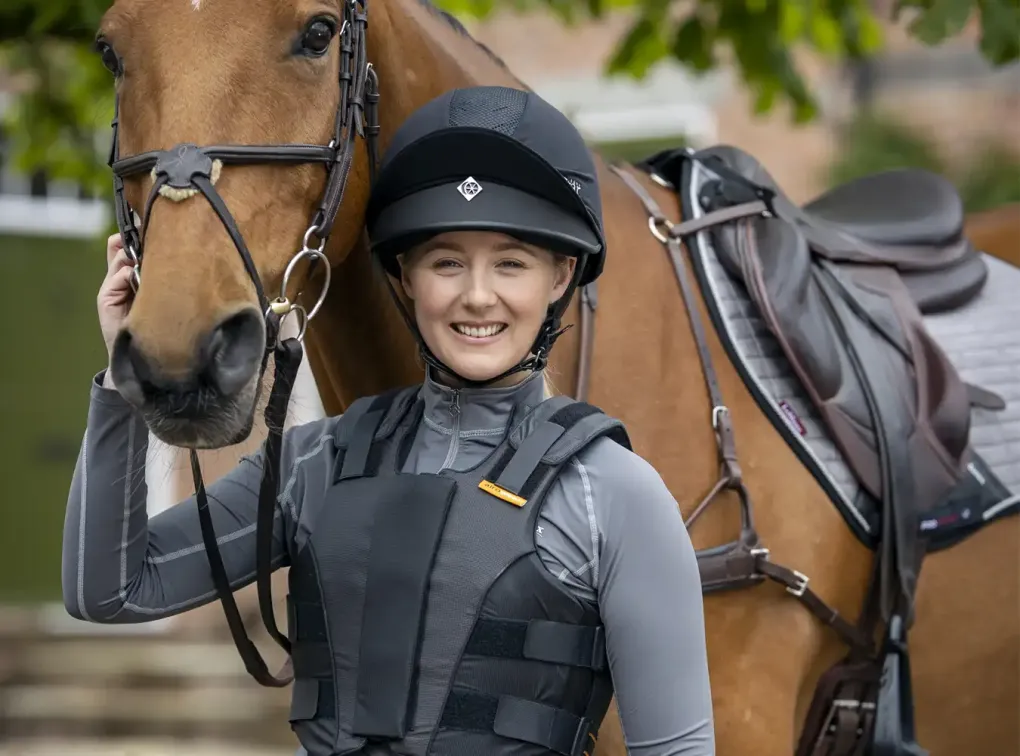
Cross country riding is one of the most exhilarating and challenging disciplines in equestrian sport. Whether you’re galloping over open fields or navigating technical obstacles, the right headgear is essential for both safety and confidence. Choosing the best helmet for cross country riding means understanding the unique risks of the sport and knowing what features truly matter. This article explores what sets top-rated helmets apart, how to select the right fit, and why investing in advanced protection is non-negotiable for every rider.
Before diving into the key features and recommendations, it’s important to recognize that helmet safety standards and fit are just as crucial as style or brand. If you’re unsure about sizing, the equestrian helmet size guide offers practical advice to help you find your perfect match. Let’s look at what makes a helmet truly suited for the demands of cross country riding.
Key Features of Top Cross Country Helmets
Not all riding helmets are created equal. For eventing and cross country, certain features are especially important. Here are the main aspects to consider when searching for the most protective headgear:
- Certified Safety Standards: Look for helmets that meet or exceed standards such as ASTM F1163, PAS015, or VG1. These certifications ensure the helmet has passed rigorous impact and penetration tests.
- Advanced Impact Protection: Modern helmets often incorporate technologies like MIPS (Multi-directional Impact Protection System), which provides extra defense against rotational forces during a fall. Learn more about how MIPS technology enhances helmet safety.
- Secure Harness System: A robust, adjustable harness keeps the helmet firmly in place, even during sudden movements or impacts.
- Ventilation and Comfort: Cross country courses can be physically demanding. Helmets with effective ventilation and moisture-wicking liners help keep riders cool and focused.
- Lightweight Construction: A lighter helmet reduces neck fatigue over long rides without compromising protection.
- Removable and Washable Liners: Hygiene is important, especially for frequent riders. Removable liners make cleaning easy and extend the life of your gear.
Why Specialized Helmets Matter for Cross Country Riders
The demands of cross country riding differ significantly from those of show jumping or dressage. Obstacles are solid and often unpredictable, and falls can occur at higher speeds. This makes cross country riding helmets uniquely engineered for maximum protection.
Many leading brands now offer models specifically designed for eventing. These helmets often feature reinforced shells, extended coverage at the back of the head, and enhanced shock absorption. Riders should also look for models that are compatible with helmet covers, as these are often required in competition.

How to Ensure the Right Fit for Maximum Safety
Even the most advanced helmet can’t protect you if it doesn’t fit correctly. A well-fitted helmet should feel snug all around your head, without pressure points or gaps. It should stay in place when you move or shake your head, and the harness should fasten securely under your chin.
To measure your head accurately, use a flexible tape measure about one inch above your eyebrows and ears. For a detailed walkthrough, see the step-by-step guide on measuring your head for a riding helmet. Remember, sizing can vary between brands, so always check the manufacturer’s chart before purchasing.
Common Fit Issues and Solutions
- Helmet rides up or shifts: Try a smaller size or adjust the harness for a more secure fit.
- Pressure points: Some models offer interchangeable liners or padding to customize comfort.
- Too loose or tight: If you’re between sizes, opt for the smaller one—padding will compress over time.
Comparing Popular Helmet Technologies
The latest generation of riding helmets integrates advanced materials and technologies to maximize rider safety. Here are some of the most notable innovations:
- MIPS Technology: This system allows the helmet to slide relative to the head, reducing rotational motion during angled impacts. It’s becoming a standard in high-end helmets for eventing and cross country.
- Carbon Fiber Shells: Lightweight yet extremely strong, carbon fiber offers superior impact resistance without adding bulk.
- Multi-Density Foam Liners: These liners absorb and disperse impact energy more effectively than traditional single-density foams.
- Integrated Visors: Designed to break away upon impact, visors help prevent neck injuries during a fall.
For a deeper dive into how helmets are rated and tested, the equestrian helmet safety ratings resource provides valuable insights into what each certification means.

Maintenance and Care for Your Riding Helmet
Proper maintenance is essential to ensure your helmet continues to offer maximum protection. Here are some tips to keep your gear in top shape:
- Regular Cleaning: Remove and wash liners as recommended by the manufacturer. Wipe down the shell with a damp cloth after each ride.
- Storage: Store your helmet in a cool, dry place away from direct sunlight and extreme temperatures.
- Inspection: Check for cracks, dents, or worn straps regularly. Replace your helmet immediately if it has sustained a significant impact, even if there is no visible damage.
- Replacement: Most experts recommend replacing your helmet every 3–5 years, or sooner if it shows signs of wear.
Frequently Asked Questions
What makes a helmet suitable for cross country riding?
Helmets designed for cross country are built to withstand higher impact forces and offer extended coverage, especially at the back of the head. They often include advanced technologies like MIPS and are certified to rigorous safety standards.
How often should I replace my cross country riding helmet?
Replace your helmet every 3–5 years, or immediately after any significant impact. Over time, materials degrade and may not provide the same level of protection.
Can I use a regular riding helmet for eventing?
While some helmets are multi-purpose, it’s best to use a model specifically designed for eventing or cross country. These helmets are engineered for the unique risks of the discipline and often meet stricter safety requirements.
Conclusion: Prioritizing Safety and Comfort
Selecting the right head protection for cross country riding is a critical decision for every equestrian. By focusing on certified safety standards, advanced impact technologies, and a precise fit, you can ride with greater confidence and peace of mind. Remember to consult sizing guides, maintain your helmet properly, and stay informed about the latest safety innovations. Investing in quality protection is not just about meeting competition requirements—it’s about safeguarding your future in the saddle.