


Staying comfortable and safe during hot weather rides is a challenge many equestrians face. When temperatures rise, a riding helmet can quickly become hot and stuffy, making it harder to focus and increasing the risk of overheating. Knowing how to keep a riding helmet cool in summer is essential for both comfort and safety. This article explores practical ventilation strategies, helmet features, and rider habits that help maintain a cooler head during summer rides.
Choosing the right helmet, understanding airflow, and using smart accessories can make a significant difference. For those still searching for the perfect fit, you may find helpful advice in our guide on how to find the right riding helmet for your head shape.
Understanding Helmet Ventilation and Heat Buildup
Helmets are designed to protect, but their construction can sometimes trap heat, especially in the summer. The shell, liner, and padding work together to absorb impact, but these same layers can limit airflow. Without proper ventilation, heat and moisture accumulate, causing discomfort and even heat stress.
Modern riding helmets often incorporate ventilation channels, mesh panels, and moisture-wicking liners. These features help air circulate, allowing sweat to evaporate and heat to escape. However, not all helmets are created equal, and some offer superior cooling capabilities compared to others.
Choosing a Helmet with Superior Airflow
One of the most effective ways to stay cool is to select a helmet specifically designed for warm weather. Look for models with:
- Multiple air vents positioned at the front, top, and rear for maximum airflow.
- Channels inside the helmet that direct air over the head and out the back.
- Removable and washable liners made from moisture-wicking materials.
- Lightweight construction that reduces heat retention.
For a comprehensive overview of helmet features and fit, the SmartPak Equine riding helmet guide offers detailed comparisons and advice.
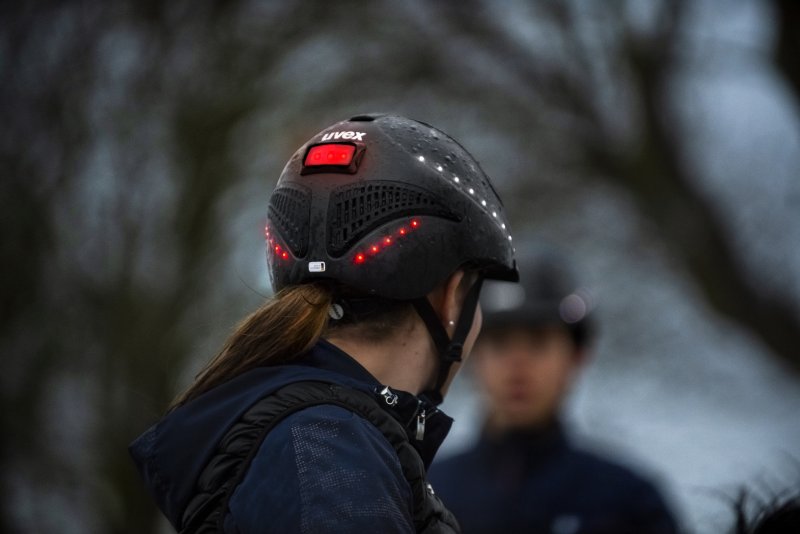
Helmet Accessories for Enhanced Cooling
Even with a well-ventilated helmet, additional accessories can further improve comfort during hot weather:
- Helmet liners made from technical fabrics wick sweat and dry quickly, helping to keep your head cooler.
- Cooling skull caps or bandanas, designed to be worn under the helmet, can provide a cooling effect when soaked in water before riding.
- Helmet covers in light colors reflect sunlight, reducing heat absorption.
When choosing accessories, ensure they do not interfere with the helmet’s fit or safety certification. Always check that any added layer does not compromise the helmet’s ability to protect in the event of a fall.

Smart Riding Habits for Summer Comfort
In addition to helmet features and accessories, your riding routine can play a big role in staying cool:
- Ride early in the morning or late in the evening when temperatures are lower and the sun is less intense.
- Take frequent breaks in the shade to allow your body and helmet to cool down.
- Stay hydrated before, during, and after your ride to help regulate body temperature.
- Remove your helmet as soon as you finish riding to let heat escape.
These habits, combined with the right equipment, can make summer rides much more enjoyable and safer.
Helmet Maintenance and Hygiene in Hot Weather
Proper care of your helmet is essential, especially during hot months:
- Wash removable liners and pads regularly to prevent odor and bacteria buildup.
- Allow your helmet to air dry completely after each use, avoiding direct sunlight which can degrade materials.
- Inspect vents and channels for dust or debris that could block airflow.
Maintaining your helmet not only extends its lifespan but also ensures it continues to provide both protection and ventilation.
Comparing Helmet Standards and Cooling Features
Different regions have varying safety standards, which can influence helmet design and ventilation. For those interested in how standards affect helmet construction, our article on the difference between UK and US riding standards provides a detailed comparison. Some standards may prioritize impact protection over airflow, so it’s important to find a balance that meets both safety and comfort needs.
Frequently Asked Questions
What features should I look for in a summer riding helmet?
Look for helmets with multiple, strategically placed vents, moisture-wicking liners, and lightweight materials. Removable liners and easy-to-clean padding are also beneficial for hot weather use.
Can I use a cooling cap or bandana under my helmet?
Yes, as long as the accessory is thin and does not interfere with the helmet’s fit or safety. Cooling skull caps designed for helmets can help wick sweat and provide a cooling effect.
How often should I clean my helmet in the summer?
It’s best to clean removable liners and pads after every few rides, or more frequently if you sweat heavily. Allow the helmet to air dry thoroughly between uses to prevent odor and bacteria buildup.
Are white or light-colored helmets cooler than dark ones?
Light-colored helmets reflect more sunlight and can help reduce heat absorption, making them a good choice for summer riding.
Is it safe to modify my helmet to add more vents?
No, modifying your helmet can compromise its structural integrity and void safety certifications. Always choose a helmet designed with adequate ventilation from the manufacturer.
Conclusion
Managing heat inside your helmet during summer rides is a combination of choosing the right gear, using smart accessories, and adopting practical riding habits. By focusing on ventilation, fit, and maintenance, you can stay comfortable and protected even on the hottest days. For more tips on helmet fit and safety, you may also want to read about the importance of a secure helmet retention system and how to measure head circumference for horses. With the right approach, summer riding can remain safe, enjoyable, and cool.