

Staying cool and protected during hot weather rides is essential for both safety and enjoyment. Riders often focus on fit and safety certifications when choosing a helmet, but ventilation is just as important, especially in the summer months. Understanding how to evaluate riding helmet ventilation can help you select gear that keeps you comfortable and focused, even on the hottest days.
Proper airflow in a helmet reduces heat buildup, minimizes sweat, and helps prevent overheating. This guide will break down the key features to look for, how to compare different models, and what ventilation technologies are available. If you’re also interested in optimizing other aspects of helmet comfort, you may want to check out how to evaluate helmet weight for neck comfort for additional insights.
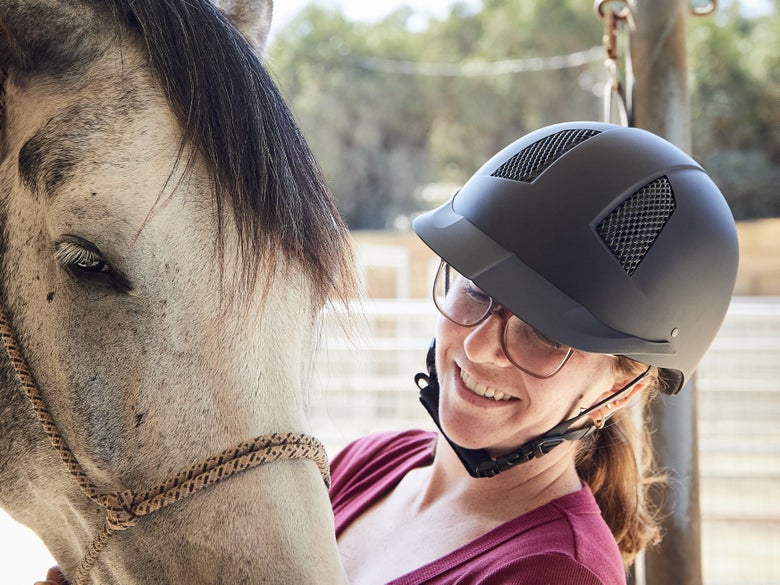
Why Airflow Matters in Riding Helmets
During summer rides, your body temperature rises, and your head is one of the main areas where heat can accumulate. Helmets without adequate ventilation can trap heat and moisture, leading to discomfort, distraction, and even heat-related health risks. Well-designed vents allow air to circulate, carrying away sweat and helping your body regulate temperature more efficiently.
Besides comfort, good ventilation can also help maintain focus and reduce the likelihood of removing your helmet mid-ride due to overheating. This is crucial for safety, especially during long training sessions or competitions.
Key Features to Assess When Comparing Helmet Ventilation
When learning how to evaluate riding helmet ventilation, focus on these essential aspects:
- Number and Placement of Vents: More vents generally mean better airflow, but their position is just as important. Look for helmets with front, top, and rear vents to promote continuous air movement.
- Vent Size and Shape: Larger or strategically shaped vents can enhance cooling, but must not compromise the helmet’s structural integrity.
- Internal Air Channels: Some helmets feature internal grooves or channels that direct air over the scalp, improving circulation beyond what external vents alone can achieve.
- Removable or Breathable Liners: Liners made from moisture-wicking materials help manage sweat and can be removed for cleaning, further improving comfort.
- Shell Material and Construction: Lightweight, advanced materials can allow for more venting without reducing safety.

Testing Ventilation: What to Look For in Person
While specifications and marketing claims are helpful, hands-on evaluation is the best way to judge a helmet’s cooling ability. Here’s how to assess airflow in a store or at home:
- Try the Helmet On: Wear it for several minutes indoors. Move your head and walk around to see if you feel air movement, especially across the forehead and crown.
- Simulate Riding Conditions: If possible, stand in front of a fan or walk briskly. Well-ventilated helmets should allow you to feel a breeze through the vents.
- Check for Hot Spots: Pay attention to areas that feel warm or sweaty. Poorly ventilated helmets often trap heat at the top or back of the head.
- Inspect the Liner: Remove and examine the liner. Breathable, mesh-like materials are preferable for summer use.
Don’t forget to consider helmet fit and safety certifications alongside ventilation. For event riders, how to choose a helmet for eventing offers more detailed advice on balancing these factors.
Modern Helmet Ventilation Technologies
Manufacturers continue to innovate in helmet design, offering new ways to keep riders cool without sacrificing protection. Some of the latest advancements include:
- Integrated Airflow Systems: These use a combination of external vents and internal channels to maximize air movement.
- Moisture-Wicking Fabrics: Liners and padding made from advanced textiles draw sweat away from the skin and dry quickly.
- Multi-Directional Impact Protection System (MIPS): While primarily a safety feature, some MIPS-equipped helmets are designed to maintain airflow and comfort, even with the added protective layer.
- Adjustable Vent Covers: Some models allow you to open or close vents depending on the weather, making the helmet more versatile year-round.

Comparing Popular Helmet Styles for Summer Riding
Not all helmets are created equal when it comes to airflow. Here’s a quick comparison of common types:
| Helmet Type | Ventilation Features | Best For |
|---|---|---|
| Traditional Velvet-Covered | Minimal vents, limited airflow | Show rings, cooler climates |
| Modern Sport/Schooling | Multiple large vents, internal channels | Everyday riding, hot weather |
| Eventing/XC Helmets | Strategic vent placement, moisture-wicking liners | High-intensity riding, cross-country |
| Trail/Endurance | Maximum vents, lightweight shell | Long rides, summer conditions |
Maintenance Tips for Optimal Airflow
Even the best-ventilated helmet can lose effectiveness if not properly maintained. Here are some tips to keep your helmet performing at its best:
- Clean Vents Regularly: Dust, hair, and debris can clog vents. Use a soft brush or compressed air to keep them clear.
- Wash or Replace Liners: Sweat and dirt buildup can block airflow. Remove and wash liners as recommended by the manufacturer.
- Inspect for Damage: Cracks or dents can affect both safety and ventilation. Replace your helmet if you notice any structural issues.
- Store Properly: Avoid leaving your helmet in hot cars or direct sunlight, as heat can degrade materials and reduce effectiveness.
For those who travel frequently with their gear, see how to travel with an equestrian helmet for safe transport tips that also help preserve ventilation features.
Frequently Asked Questions
How can I tell if a helmet will keep me cool during summer rides?
Look for helmets with multiple, well-placed vents and internal air channels. Try the helmet on and check for airflow across your head. Reading user reviews and product descriptions can also provide insight into real-world cooling performance.
Does more ventilation mean less protection?
Not necessarily. Modern helmets use advanced materials and engineering to provide both airflow and impact protection. Always choose helmets that meet current safety standards, and check for certifications before purchasing.
Are there specific brands known for excellent ventilation?
Several brands focus on airflow in their designs, especially those catering to sport and endurance riders. Look for models marketed for summer or hot weather use, and compare features such as vent size, placement, and liner materials.
Conclusion
Choosing a helmet with effective ventilation is key to staying comfortable and safe during summer rides. By focusing on vent placement, internal airflow systems, and breathable liners, you can find a helmet that keeps you cool without compromising protection. Regular maintenance and proper fit will ensure your helmet performs at its best, ride after ride. For more on helmet safety features, see our guide to equestrian helmet visor safety and learn why equestrian helmets cover the back of the head for optimal impact protection.