


Friesian horses are admired for their striking appearance, gentle temperament, and versatility in both riding and driving disciplines. One of the most common questions among horse enthusiasts and prospective owners is how much do Friesian horses weigh. Understanding the typical weight range for this breed is essential for proper care, feeding, and health management. This article explores the average weight of Friesian horses, factors that influence their size, and tips for maintaining a healthy weight.
For those interested in a broader overview of this remarkable breed, the complete guide to Friesian horses offers in-depth information about their history, characteristics, and care requirements.
Average Weight Range for Friesian Horses
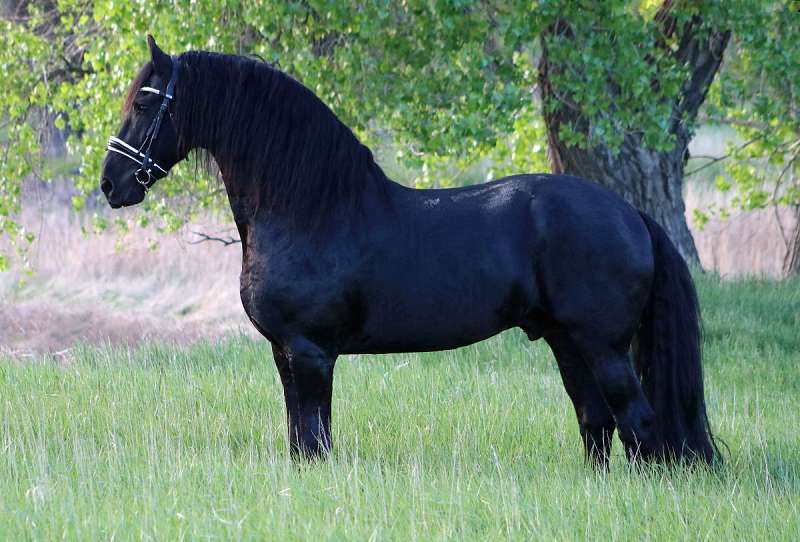
The typical adult Friesian horse weighs between 1,200 and 1,400 pounds (545–635 kg). Some individuals, especially larger stallions, may reach up to 1,500 pounds (680 kg) or slightly more. This substantial weight is a result of the breed’s sturdy bone structure, muscular build, and overall size. Friesians generally stand between 15.2 and 17 hands high, which also contributes to their heavier weight compared to many other light horse breeds.
It’s important to note that weight can vary based on age, sex, genetics, and management practices. Mares and geldings tend to be on the lighter end of the spectrum, while stallions and horses bred for carriage or show purposes may be heavier.
Weight Differences by Age and Sex
Understanding the weight of Friesians at different life stages helps owners provide appropriate nutrition and care. Here’s a general breakdown:
- Foals (birth to 1 year): 100–200 pounds at birth, reaching 600–800 pounds by one year.
- Yearlings (1–2 years): 800–1,000 pounds as growth accelerates.
- Adult Mares: Typically 1,200–1,350 pounds.
- Adult Geldings: Usually 1,250–1,400 pounds.
- Adult Stallions: Often 1,350–1,500 pounds, sometimes more depending on lineage and conditioning.
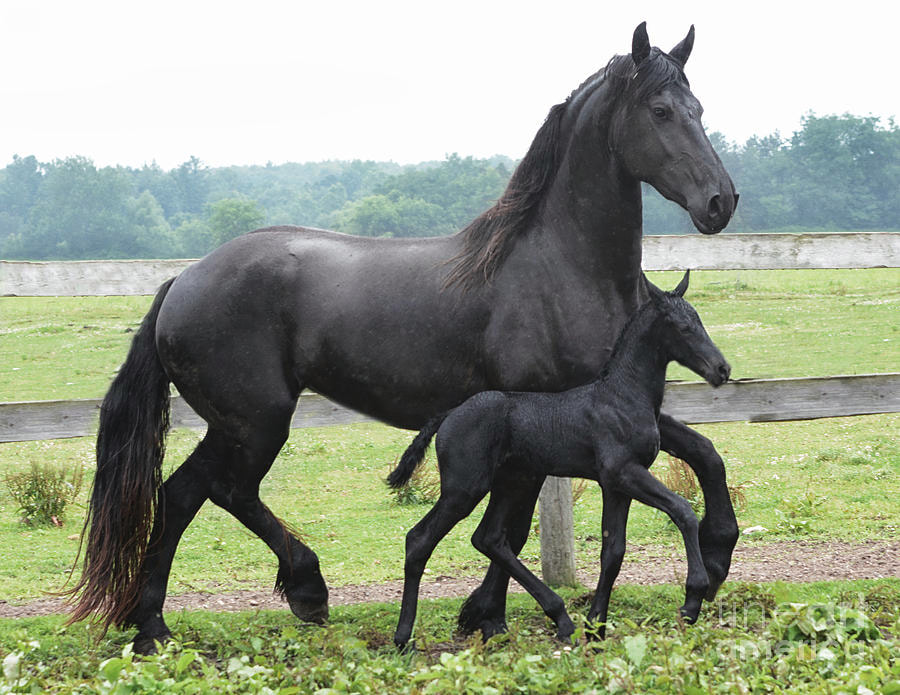
Factors Affecting Friesian Horse Weight
Several factors influence the weight of a Friesian horse. Recognizing these variables can help owners and caretakers manage their horses’ health more effectively:
- Genetics: Bloodlines play a significant role in determining size and build. Some Friesians are bred for lighter riding types, while others are developed for heavier carriage work.
- Diet and Nutrition: Proper feeding is crucial. Overfeeding can lead to obesity, while underfeeding may result in poor development and health issues.
- Exercise and Activity Level: Horses in regular work tend to have more muscle mass and may weigh more, but they are also less likely to carry excess fat.
- Age: Young horses are lighter and gain weight as they mature. Senior horses may lose muscle mass and weight if not managed carefully.
- Health Conditions: Illness, metabolic disorders, and dental problems can all affect body weight.
How to Assess If Your Friesian Is at a Healthy Weight
Maintaining an ideal weight is essential for the well-being and performance of Friesian horses. Here are some practical ways to evaluate your horse’s condition:
- Body Condition Scoring (BCS): This system rates horses on a scale from 1 (emaciated) to 9 (obese). A healthy Friesian typically falls between 5 and 6, indicating a well-muscled horse with a slight covering of fat over the ribs and back.
- Visual Assessment: Look for a smooth, rounded appearance without pronounced ribs or spine. The neck should be muscular but not cresty, and the hindquarters should be full.
- Weighing: The most accurate method is using a livestock scale. If unavailable, a weight tape can provide a reasonable estimate when placed around the girth.
For more on understanding horse body language and signs of discomfort related to weight, the article on equine behavior and communication offers valuable insights.
Feeding Guidelines for Friesian Horses
Because Friesians are prone to weight gain, it’s important to tailor their diet to their specific needs. Here are some feeding recommendations:
- Forage First: High-quality hay or pasture should form the basis of their diet. Most adult Friesians require 1.5–2% of their body weight in forage daily.
- Concentrates: Only add grain or pelleted feeds if the horse’s workload requires extra energy. Many Friesians maintain weight well on forage alone.
- Supplements: Consider vitamin and mineral supplements if forage is lacking in certain nutrients.
- Monitor Body Condition: Adjust rations as needed to prevent obesity or underweight conditions.
Always introduce dietary changes gradually and consult with an equine nutritionist or veterinarian for individualized advice.
Managing Weight for Optimal Health
Keeping a Friesian at a healthy weight is vital for preventing metabolic issues, joint strain, and other health problems. Here are some management tips:
- Regular Exercise: Incorporate daily turnout and consistent riding or driving sessions to support muscle tone and calorie use.
- Routine Health Checks: Schedule regular veterinary visits to monitor weight, dental health, and metabolic status.
- Track Changes: Weigh or use a weight tape monthly to catch trends early and adjust management as needed.
- Monitor for Laminitis: Friesians can be prone to this painful hoof condition if overweight. Watch for signs and manage diet accordingly.
For those considering Friesian ownership, it’s also important to understand horse ownership responsibilities, including the time, costs, and daily care involved.
Comparing Friesian Weight to Other Horse Breeds
Friesians are heavier than most light riding horses but lighter than draft breeds. For comparison:
| Breed | Average Weight (lbs) | Height (hands) |
|---|---|---|
| Friesian | 1,200–1,400 | 15.2–17 |
| Arabian | 800–1,000 | 14–15.2 |
| Thoroughbred | 1,000–1,200 | 15.2–17 |
| Percheron (Draft) | 1,800–2,400 | 16–18 |
This comparison highlights the Friesian’s unique position as a robust, versatile breed suitable for a range of equestrian activities.
Further Resources on Friesian Horse Weight and Care
For a more detailed breed profile, including health and feeding recommendations, the Friesian horse breed profile from Mad Barn is a valuable resource.
Frequently Asked Questions
What is the ideal weight for a Friesian horse?
The ideal weight for an adult Friesian typically falls between 1,200 and 1,400 pounds. The best weight depends on the horse’s height, build, and activity level. Regular monitoring and body condition scoring help ensure your horse maintains a healthy weight.
How can I tell if my Friesian is overweight?
Signs of excess weight include a cresty neck, fat deposits over the ribs and tailhead, and difficulty feeling the ribs. Using a body condition score and consulting with a veterinarian are the best ways to assess your horse’s status.
Do Friesian foals grow faster than other breeds?
Friesian foals grow rapidly, reaching about 600–800 pounds by one year of age. While their growth rate is similar to other large breeds, their mature size and weight are greater than many light horse breeds.
Are Friesians prone to weight-related health issues?
Like many heavier breeds, Friesians can be susceptible to obesity, metabolic syndrome, and laminitis if not managed carefully. Balanced nutrition, regular exercise, and routine veterinary care are key to preventing these problems.
For more tips on balancing horse care with daily life, see our article on equestrian lifestyle tips.