

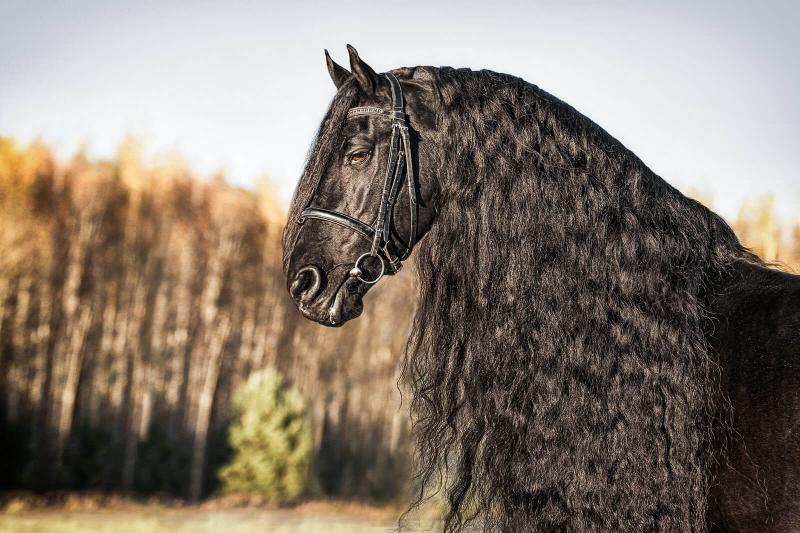
Maintaining the health of Friesian horses requires a thoughtful approach to parasite management. These majestic horses, known for their striking appearance and athleticism, can be particularly sensitive to internal parasites. An effective deworming routine is essential for supporting their wellbeing, performance, and longevity. In this guide, you’ll find practical advice on creating a parasite control plan tailored to Friesians, including recommended products, timing, and best practices for monitoring and prevention.
Owners who are new to the breed or seeking to refine their care routines will benefit from understanding the unique needs of Friesians. For a broader perspective on the breed, the complete guide to Friesian horses offers valuable background information that complements the parasite control strategies discussed here.
Why a Structured Deworming Plan Matters for Friesians
Friesian horses, like all equines, are susceptible to a range of internal parasites, including strongyles, ascarids, tapeworms, and bots. However, their sensitive digestive systems and sometimes limited genetic diversity make it especially important to avoid both under- and over-deworming. A well-structured Friesian horse deworming schedule helps:
- Reduce the risk of colic and digestive upset
- Prevent weight loss, dull coats, and poor performance
- Minimize the development of drug-resistant parasites
- Support overall immune health
Establishing a routine based on fecal egg counts and strategic product rotation is key to effective parasite control. This approach not only protects the individual horse but also the broader herd and pasture environment.
Core Elements of a Friesian Deworming Routine
Designing a parasite management plan involves several steps. Here’s how to build a schedule that addresses the specific needs of Friesians:
1. Fecal Egg Count Testing
Before administering any dewormer, collect a fecal sample and have it analyzed by a veterinarian or equine lab. This test measures the number of parasite eggs per gram (EPG) of manure, helping to identify horses that are high, moderate, or low shedders. For most adult Friesians, testing should be done at least twice a year—typically in spring and fall.
2. Strategic Deworming Intervals
Rather than deworming on a fixed monthly schedule, modern recommendations favor a targeted approach. For Friesians, a typical plan might look like:
- Spring: Deworm based on fecal egg count results, targeting high shedders.
- Late Summer/Early Fall: Repeat fecal testing and treat as needed.
- Late Fall: Administer a product effective against bots and tapeworms, regardless of egg count, as these parasites may not show up in standard tests.
- Foals and Young Horses: Require more frequent deworming due to higher susceptibility; consult your vet for a tailored plan.
Adjustments may be necessary based on your horse’s age, pasture management, and local parasite risks.
Choosing Dewormers and Rotating Products
Rotating between different classes of dewormers helps prevent resistance. Common active ingredients include:
- Ivermectin: Effective against most adult parasites and bots
- Moxidectin: Similar to ivermectin, but with a longer residual effect
- Pyrantel pamoate: Useful for strongyles and ascarids
- Fenbendazole: Often used in larvicidal protocols or for foals
- Praziquantel: Targets tapeworms (often combined with ivermectin or moxidectin)
Consult your veterinarian to determine which products are most suitable for your horse and region. Avoid using the same dewormer repeatedly unless recommended by fecal testing results.
Pasture Management and Environmental Control
Parasite control extends beyond deworming medications. Good pasture management reduces the risk of reinfection and supports a healthier environment for your Friesians:
- Pick up manure from pastures at least twice weekly
- Rotate grazing areas to prevent overgrazing and parasite buildup
- Avoid overcrowding, which increases parasite transmission
- Co-graze with other species (such as sheep or cattle) to disrupt parasite life cycles
These practices, combined with a thoughtful deworming plan, help keep parasite loads low and horses thriving.
Monitoring Effectiveness and Adjusting Your Program
Regularly review your deworming strategy by repeating fecal egg counts after treatment. If egg counts remain high, consult your veterinarian to investigate possible resistance or other health issues. Keep detailed records of all treatments, test results, and products used. This documentation will help you and your vet make informed decisions and adapt your approach as needed.
For additional insights into Friesian care and responsible horse management, you may also find the article on horse ownership responsibilities helpful.
Common Mistakes to Avoid
- Overusing dewormers: Routine, calendar-based deworming without testing can lead to resistance.
- Ignoring fecal egg counts: Skipping these tests may result in unnecessary treatments or missed infestations.
- Using the wrong product: Not all dewormers target all parasites; always match the product to the specific risk.
- Neglecting pasture hygiene: Even the best medication schedule is less effective without clean pastures.
Staying informed and working closely with your veterinarian are the best ways to avoid these pitfalls.
Additional Resources and Breed-Specific Considerations
Friesian horses may have unique sensitivities, including a predisposition to certain digestive issues. Always monitor your horse for signs of colic, weight loss, or changes in behavior after deworming. For more on the breed’s characteristics and care, the Legacy Sport Horses blog post about Friesian sport horses provides further reading on their health and management.
Incorporating regular grooming and handling into your routine can also help you spot early signs of health problems. For tips on grooming products, see the CTAs above for recommended kits and shampoos.
FAQ
How often should I deworm my Friesian horse?
The frequency depends on fecal egg count results, age, and management practices. Most adult Friesians benefit from targeted deworming two to three times per year, with more frequent treatments for foals or high shedders. Always consult your veterinarian for a plan tailored to your horse’s needs.
What are the signs of a parasite problem in Friesian horses?
Common symptoms include weight loss, dull coat, poor appetite, colic, diarrhea, and a pot-bellied appearance. However, some horses may show no obvious signs, which is why regular fecal testing is important.
Can I use the same deworming schedule for all my horses?
Not necessarily. Individual horses may have different parasite burdens and risk factors. Tailoring your approach based on fecal egg counts and veterinary advice ensures the best results for each horse, including Friesians.
Are there natural alternatives to chemical dewormers?
Some owners explore herbal or natural remedies, but these have not been proven as effective as veterinary-approved dewormers. Always discuss any alternative treatments with your vet before use.
For more tips on equine care and communication, explore our article on equine behavior and communication to better understand your horse’s needs and signals.