

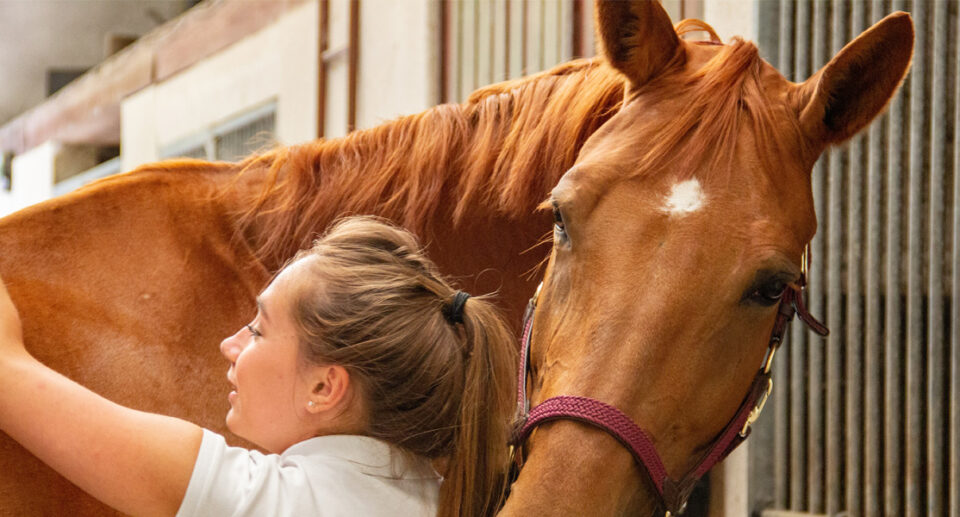
Maintaining your horse’s health and comfort involves more than just brushing its coat and cleaning hooves. One often-overlooked aspect of equine care is proper ear hygiene. Regular attention to your horse’s ears can help prevent discomfort, infections, and behavioral issues. This guide explains the essentials of horse grooming ear cleaning for owners, from understanding why it matters to step-by-step instructions and safety tips.
Whether you’re a new horse owner or looking to refine your grooming routine, learning the right approach to ear care is crucial. Alongside coat and hoof maintenance, ear cleaning supports your horse’s overall well-being and can even improve their trust and responsiveness during handling.
For those interested in equestrian safety, choosing the right helmet is also an important part of horse care. Learn more about how to find the right riding helmet for your head shape to ensure both you and your horse stay safe and comfortable.
Why Ear Hygiene Matters in Equine Grooming
Neglecting ear cleaning can lead to a range of issues, from minor irritation to serious infections. Horses’ ears are sensitive, and dirt, debris, or insects can easily become trapped, causing discomfort or even pain. Regularly checking and gently cleaning the ears as part of your horse grooming ear cleaning routine helps prevent:
- Build-up of wax, dirt, and debris
- Ear mite infestations
- Bacterial or fungal infections
- Behavioral problems due to discomfort
Horses rely on their hearing for communication and awareness of their environment. Clean, healthy ears contribute to their sense of security and willingness to cooperate during grooming and riding.
Recognizing When Your Horse’s Ears Need Attention
While some horses may never require more than a gentle wipe, others are prone to wax build-up or irritation. Signs that your horse’s ears may need cleaning include:
- Frequent head shaking or rubbing ears against objects
- Visible dirt, wax, or debris inside the ear
- Unusual odor coming from the ear canal
- Redness, swelling, or sensitivity when touched
If you notice persistent symptoms or signs of infection, such as discharge or severe swelling, consult your veterinarian before attempting to clean the ears yourself.
Essential Tools for Safe Ear Cleaning
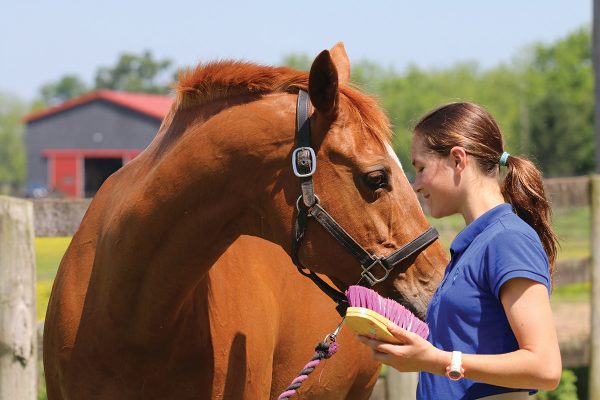
Having the right supplies makes the process smoother and safer for both you and your horse. For most horse grooming ear cleaning tasks, you’ll need:
- Soft, clean cloths or cotton pads
- Equine-safe ear cleaning solution (never use alcohol or hydrogen peroxide)
- Latex or nitrile gloves (optional, for hygiene)
- Fly repellent (to discourage insects from entering the ears)
- Grooming kit with gentle brushes for the outer ear area
Avoid using cotton swabs or anything that could push debris deeper into the ear canal. Always use products specifically formulated for horses, as their skin is more sensitive than humans’.
Step-by-Step Guide to Cleaning Your Horse’s Ears
Follow these steps to ensure a calm, safe, and effective ear cleaning experience:
- Prepare Your Horse: Secure your horse in a quiet area with minimal distractions. Approach calmly and speak softly to reassure them.
- Inspect the Ears: Gently lift the ear and look for visible dirt, wax, or signs of irritation. Do not insert anything into the ear canal.
- Clean the Outer Ear: Moisten a soft cloth or cotton pad with the equine-safe solution. Wipe the inside of the ear flap and the base, removing dirt and debris. Avoid the inner canal.
- Repeat as Needed: Use a fresh cloth for each ear to prevent cross-contamination. If your horse becomes agitated, take breaks and offer reassurance.
- Apply Fly Repellent: If flies are a concern, apply a horse-safe repellent around (not inside) the ears to deter insects.
Never force the process if your horse is uncomfortable. Gradual desensitization and positive reinforcement can help horses accept ear handling over time.

Common Mistakes to Avoid During Ear Care
Even experienced owners can make errors when cleaning their horse’s ears. To keep your horse safe and comfortable, avoid these pitfalls:
- Inserting objects into the ear canal: This can cause injury or push debris deeper.
- Using harsh chemicals: Only use products labeled for equine use.
- Over-cleaning: Excessive cleaning can irritate the skin and disrupt natural defenses.
- Ignoring signs of infection: If you see discharge, swelling, or persistent odor, consult a vet promptly.
Gentle, regular checks are more effective than aggressive cleaning. Your horse’s comfort and trust should always come first.
Integrating Ear Care Into Your Grooming Routine
Ear cleaning should be part of a holistic approach to equine hygiene. Incorporate it into your regular grooming sessions, alongside brushing, hoof care, and mane and tail maintenance. This not only keeps your horse healthy but also strengthens your bond through positive, gentle handling.
For more tips on comprehensive grooming, you can read this in-depth horse grooming resource that covers best practices and product recommendations.
Safety Tips and When to Seek Veterinary Help
While most ear cleaning tasks can be handled at home, there are situations where professional help is necessary. Contact your veterinarian if you notice:
- Persistent redness, swelling, or discharge
- Strong, unpleasant odor from the ears
- Sudden changes in behavior, such as head tilting or loss of balance
- Foreign objects or insects lodged in the ear canal
Veterinary intervention ensures that infections or injuries are treated promptly and effectively, preventing long-term complications.
FAQs About Horse Ear Cleaning and Grooming
How often should I clean my horse’s ears?
Most horses only need their ears checked and gently wiped during regular grooming sessions, typically once a week. Only clean when you notice visible dirt or wax; over-cleaning can cause irritation.
Is it safe to use human ear cleaning products on horses?
No, always use products specifically formulated for equine use. Human products may contain ingredients that can irritate a horse’s sensitive skin.
What should I do if my horse resists ear handling?
Start by gently desensitizing your horse to touch around the head and ears. Use treats and positive reinforcement, and keep sessions short. If resistance continues, consult a trainer or equine behaviorist for guidance.
Can dirty ears affect my horse’s performance?
Yes, discomfort or infections in the ears can lead to head tossing, resistance to bridling, and reduced focus during riding. Keeping the ears clean supports your horse’s comfort and responsiveness.
Are there breeds more prone to ear issues?
Some breeds with heavy ear hair or those kept in fly-prone environments may need more frequent checks. However, all horses benefit from regular ear inspections as part of their grooming routine.