


Building a strong relationship with your horse is essential for safe and enjoyable handling. One of the most effective ways to foster this connection is through thoughtful grooming practices. When approached with patience and understanding, grooming becomes more than a routine chore—it transforms into a valuable opportunity for horse grooming trust building. This process not only improves your horse’s comfort and well-being but also leads to better cooperation and responsiveness in daily handling and training.
Whether you’re a new horse owner or looking to deepen your bond with a seasoned companion, focusing on trust during grooming can make a significant difference. By learning to read your horse’s body language, using the right techniques, and maintaining consistency, you’ll create a positive environment that benefits both you and your horse.
For those interested in reducing anxiety and promoting calmness during grooming, you may also find value in this horse grooming stress reduction guide, which offers practical tips for a more relaxed experience.
Why Trust Matters in Equine Grooming
Trust is the foundation of every successful horse-human relationship. When a horse feels secure and respected, it is more likely to cooperate during grooming and other handling activities. Conversely, a lack of trust can lead to nervousness, resistance, or even dangerous behaviors. By making trust-building during grooming a priority, you help your horse associate human interaction with positive experiences.
Horses are naturally sensitive animals that respond to subtle cues. They notice your tone of voice, body language, and even your mood. Approaching grooming with patience and empathy signals to your horse that you are a safe and reliable partner. Over time, this consistent approach helps reduce stress and builds a lasting bond.
Key Principles for Effective Horse Grooming Trust Building
To maximize the benefits of grooming as a trust-building exercise, keep these core principles in mind:
- Consistency: Groom your horse regularly, ideally at the same time and place, to establish a predictable routine.
- Gentleness: Use soft, deliberate movements and avoid sudden gestures that could startle your horse.
- Observation: Pay attention to your horse’s reactions. Ears pinned back, tail swishing, or shifting weight may indicate discomfort.
- Positive Reinforcement: Reward calm and cooperative behavior with soothing words, gentle pats, or treats when appropriate.
- Respect Boundaries: If your horse is sensitive in certain areas, work gradually to build tolerance without forcing the issue.
Step-by-Step Guide to Building Trust While Grooming
Incorporating trust-building techniques into your grooming routine doesn’t require advanced skills—just patience and attentiveness. Here’s a step-by-step approach to help you get started:
- Approach Calmly: Walk toward your horse with a relaxed posture and speak softly. Allow your horse to see and smell you before beginning.
- Start with Familiar Areas: Begin grooming in places your horse enjoys, such as the neck or shoulder, before moving to more sensitive spots.
- Use the Right Tools: Select brushes and combs suited to your horse’s coat and skin type. A comfortable grooming kit can make the process more pleasant for both of you.
- Watch for Feedback: Monitor your horse’s body language. If your horse shows signs of discomfort, pause and try a gentler touch or switch to a different area.
- Maintain Communication: Talk to your horse throughout the session. Your voice can be reassuring and help maintain a calm atmosphere.
- Finish Positively: End each grooming session on a good note, even if it means stopping before you’ve finished every task. This helps your horse associate grooming with positive experiences.
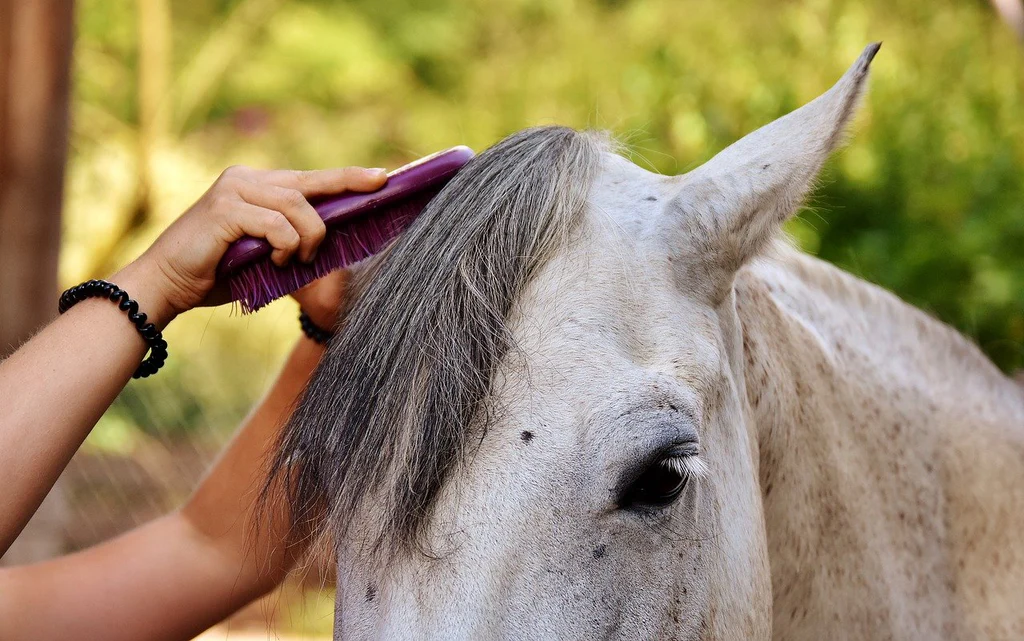
Common Challenges and Solutions in Building Trust Through Grooming
While many horses enjoy grooming, some may be wary or resistant, especially if they’ve had negative experiences in the past. Here are a few common challenges and practical solutions:
- Flinching or Moving Away: If your horse is nervous, slow down and use lighter pressure. Allow your horse to investigate the grooming tools before you begin.
- Pinning Ears or Swishing Tail: These signs of irritation may indicate sensitive skin or discomfort. Try a softer brush or adjust your technique.
- Refusing to Stand Still: Keep sessions short at first and gradually increase the duration as your horse becomes more comfortable. Offering breaks and rewards can help.
- Fear of Certain Tools: Introduce new brushes or combs slowly, letting your horse sniff and touch them before use.
For more specialized advice, such as preparing your horse for competitions, you might find the expert tips for horse grooming at shows helpful.
Choosing the Right Grooming Tools for Trust and Comfort
The tools you use play a significant role in your horse’s comfort and willingness to participate in grooming sessions. Select equipment that suits your horse’s coat type and sensitivities. Soft-bristled brushes are ideal for delicate areas, while curry combs can help with thicker coats. Always inspect your tools for sharp edges or worn parts that could cause discomfort.
Investing in a quality grooming kit not only makes the process smoother but also signals to your horse that their comfort is a priority. If you’re unsure where to start, consider reading a beginner’s guide to horse grooming for detailed product recommendations and usage tips.
Maintaining Trust Beyond Grooming Sessions
Trust isn’t built in a single day. It requires ongoing effort and consistency. Outside of grooming, continue to interact with your horse in ways that reinforce your bond. Spend time together in the pasture, practice groundwork, and always approach your horse with respect and patience.
Regular grooming sessions should be part of a broader care routine. For guidance on how often to groom and maintain your horse’s coat, refer to the horse grooming frequency guide. This will help you establish a schedule that supports both health and trust.
Frequently Asked Questions
How can I tell if my horse is enjoying the grooming process?
Look for signs of relaxation such as a lowered head, soft eyes, gentle sighs, or leaning into the brush. If your horse stands quietly and seems at ease, it’s a good indication that they are comfortable and trusting during grooming.
What should I do if my horse is nervous or resistant during grooming?
Start with short, gentle sessions and gradually build up as your horse becomes more comfortable. Use positive reinforcement and avoid forcing your horse to accept grooming in sensitive areas. Patience and consistency are key to overcoming nervousness.
Are there specific grooming tools that help with trust building?
Soft-bristled brushes and flexible curry combs are often well-tolerated, especially for horses new to grooming or with sensitive skin. Always introduce new tools slowly and observe your horse’s reactions to ensure comfort.
Can grooming help with handling issues outside the stable?
Yes, regular grooming sessions that focus on trust can improve your horse’s overall responsiveness and willingness to cooperate in other situations, such as leading, loading, or veterinary care.
Conclusion
Focusing on horse grooming trust building is a practical and rewarding way to strengthen your relationship with your horse. By incorporating patience, observation, and gentle techniques into your routine, you lay the groundwork for better handling and a more harmonious partnership. Remember, every grooming session is an opportunity to deepen trust and enhance your horse’s well-being.