

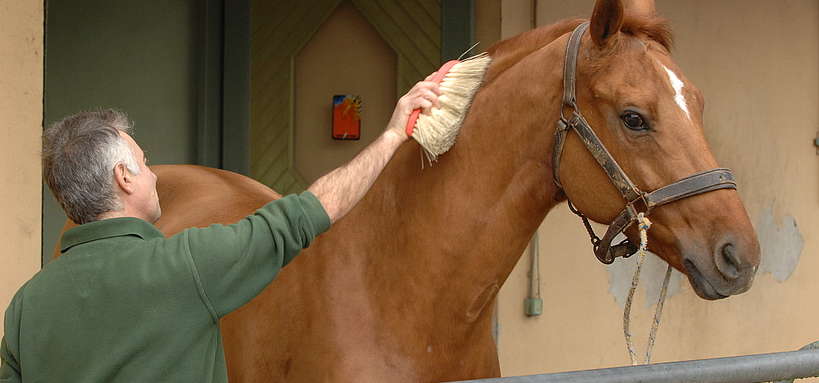
Proper grooming is essential for every horse’s health, comfort, and appearance. However, safety should always be the top priority for both the handler and the animal. Understanding and applying horse grooming safety tips can help prevent accidents, injuries, and stress for everyone involved. Whether you are a new horse owner or an experienced equestrian, following best practices ensures a positive experience for you and your horse.
Before diving into specific advice, it’s important to recognize that safety starts with the right preparation and mindset. Wearing appropriate gear, using the correct tools, and being aware of your horse’s behavior are all crucial. Additionally, investing in your own safety equipment, such as a well-fitted helmet, is just as important as caring for your horse. For guidance on choosing the right protective headgear, see how to find the right riding helmet for your head shape.
Preparing for Safe Grooming Sessions
Preparation is the foundation of safe horse care. Before you begin, make sure your grooming area is clean, well-lit, and free from hazards. Always approach your horse calmly and let them know you are there by speaking softly or gently touching their shoulder. Sudden movements or loud noises can startle a horse, increasing the risk of injury.
- Secure your horse: Always tie your horse using a quick-release knot or use cross-ties with breakaway features. This allows for a fast release in case of emergencies.
- Check your equipment: Inspect brushes, combs, and other tools for damage before use. Broken or sharp edges can injure your horse or yourself.
- Wear proper attire: Closed-toe shoes, gloves, and a helmet can protect you from accidental kicks, bites, or dropped tools.
Being prepared not only keeps you safe but also helps your horse feel more relaxed during grooming.
Understanding Horse Behavior for Safety
Recognizing and respecting your horse’s body language is a key part of safe grooming. Horses communicate discomfort, fear, or irritation through subtle cues. Learning to read these signals can help you avoid dangerous situations.
- Watch for warning signs: Ears pinned back, swishing tails, shifting weight, or raised hind legs can indicate annoyance or agitation.
- Approach from the side: Horses have blind spots directly in front and behind them. Always approach from the side and avoid standing directly behind or in front of your horse.
- Stay alert: Even the calmest horse can react unexpectedly. Stay focused and avoid distractions such as mobile phones during grooming.
Building trust with your horse through consistent, gentle handling will make grooming safer and more enjoyable for both of you.
Essential Horse Grooming Safety Tips for Daily Practice
Adopting a consistent routine with safety in mind helps prevent accidents and keeps your horse healthy. Here are some practical strategies to incorporate into your daily grooming:
- Start with the right tools: Use only clean, well-maintained grooming tools. Dirty or broken equipment can harbor bacteria or cause injury.
- Work methodically: Begin at the neck and work your way towards the tail, always staying on the same side as you move along the body. This predictable approach reduces surprises for your horse.
- Maintain a safe position: Stand close to your horse’s body, not at arm’s length. If your horse moves suddenly, being close reduces the force of a potential kick.
- Be gentle around sensitive areas: Take extra care when grooming the face, legs, and belly. Use softer brushes and lighter pressure in these regions.
- Keep the area organized: Place grooming tools within easy reach but out of the way to prevent tripping or startling your horse.
For a comprehensive overview of grooming procedures, you can refer to this step-by-step guide to horse grooming.
Protecting Yourself and Your Horse During Grooming
Both the handler and the horse can be at risk during grooming sessions. Taking proactive steps to protect everyone involved is a sign of responsible ownership.
- Use personal protective equipment: Helmets, gloves, and sturdy footwear offer valuable protection. For more on helmet safety, see importance of a secure helmet retention system.
- Monitor your horse’s health: Check for cuts, swellings, or signs of discomfort during grooming. Early detection of issues can prevent more serious problems.
- Stay calm and patient: If your horse becomes restless, pause and let them settle. Never rush or force your horse through the process.
Remember, grooming is not just about cleanliness—it’s an opportunity to bond and assess your horse’s well-being.
Common Mistakes to Avoid When Grooming Horses
Even experienced handlers can fall into unsafe habits. Being aware of common mistakes helps you maintain a safer environment:
- Neglecting to check equipment: Using damaged or dirty tools can harm your horse and increase the risk of infection.
- Ignoring your horse’s mood: Grooming a stressed or agitated horse can lead to accidents. Always assess your horse’s temperament before starting.
- Standing in dangerous positions: Avoid standing directly behind or in front of your horse, especially when working near the hindquarters or head.
- Forgetting to secure the horse: Never leave your horse untied or loosely restrained during grooming.
By staying mindful of these pitfalls, you can create a safer and more effective grooming routine.
Additional Resources for Safe Horse Care
Safety in the stable extends beyond grooming. Regularly review your stable setup, update your knowledge, and invest in quality equipment. For those interested in learning about helmet safety and fit, explore topics such as how to measure head circumference for horses and impact of age on helmet protective foam. Staying informed helps you make better decisions for both you and your horse.
Frequently Asked Questions
What should I do if my horse becomes agitated during grooming?
If your horse shows signs of stress or agitation, stop grooming and allow them to calm down. Speak softly, avoid sudden movements, and check for any discomfort or pain. Resume only when your horse is relaxed, and always prioritize safety over completing the grooming session quickly.
How often should I check my grooming tools for safety?
Inspect your grooming tools before every use. Look for broken bristles, sharp edges, or signs of wear that could injure your horse. Clean your equipment regularly to prevent the spread of bacteria and maintain effectiveness.
Is it necessary to wear a helmet while grooming?
While not always required, wearing a helmet during grooming—especially with young or unpredictable horses—adds an extra layer of protection. Accidents can happen unexpectedly, and a helmet helps reduce the risk of head injuries.
Can grooming help detect health issues in horses?
Yes, regular grooming allows you to check for cuts, swelling, heat, or other abnormalities. Early detection of health issues can lead to faster treatment and better outcomes for your horse.
By following these horse grooming safety tips and staying attentive to your horse’s needs, you’ll foster a safer, healthier relationship with your equine companion. Prioritizing safety benefits both you and your horse, making every grooming session a positive experience.