

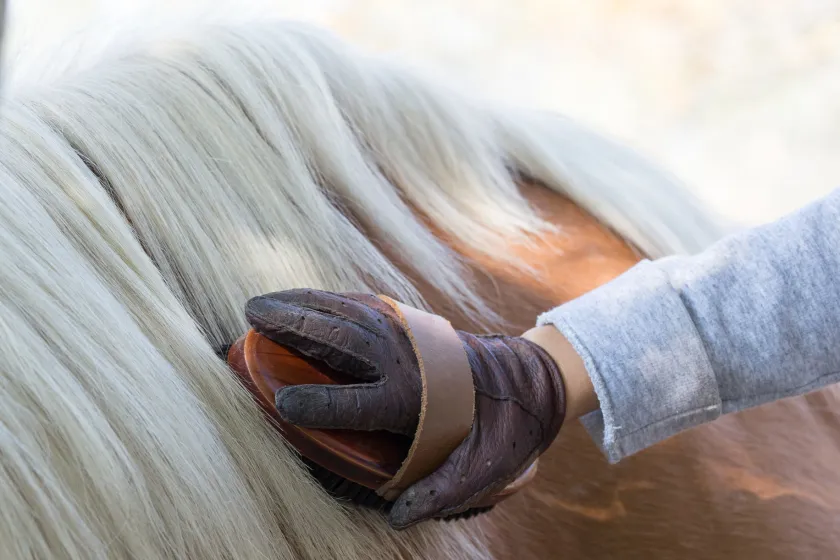
Proper care after exercise is essential for a horse’s health and comfort. When a horse sweats during a ride, the moisture and salt left behind can cause skin irritation, attract dirt, and even lead to fungal infections if not addressed promptly. Horse grooming for sweat removal is a vital part of any post-ride routine, ensuring your horse stays clean, comfortable, and healthy.
Whether you’re an experienced equestrian or just starting out, understanding the right techniques and tools for removing sweat can make a significant difference in your horse’s well-being. This article will walk through the best practices, essential grooming tools, and step-by-step methods for efficiently eliminating sweat after riding. We’ll also discuss why this process matters and how it fits into a broader horse care routine.
For those interested in overall equestrian safety, you might also want to learn how to find the right riding helmet for your head shape to complement your grooming and care routine.
Why Removing Sweat After Riding Matters
After a workout, sweat can leave a sticky residue on your horse’s coat. This residue is not just uncomfortable—it can also create an environment where bacteria and fungi thrive. Over time, failing to remove sweat can lead to skin issues such as rain rot, girth galls, or even hair loss in sensitive areas.
Additionally, dried sweat attracts dust and dirt, making your horse’s coat appear dull and increasing the risk of matting. Regular horse grooming for sweat removal helps maintain a shiny, healthy coat and supports your horse’s overall hygiene.
Essential Tools for Post-Ride Grooming
Having the right tools on hand makes sweat removal much easier and more effective. Here are the most commonly used items:
- Rubber curry comb: Loosens dried sweat and dirt from the coat.
- Sweat scraper: Removes excess water and sweat after rinsing or sponging.
- Soft body brush: Gently lifts away fine particles and sweat residue.
- Sponge or washcloth: Useful for spot-cleaning sweaty areas.
- Bucket of clean water: For rinsing or dampening the coat.
- Towel: Helps dry the horse, especially in cooler weather.
For a more detailed look at basic grooming equipment and techniques, you can visit this comprehensive guide to horse grooming essentials.
Step-by-Step Guide to Sweat Removal
Follow these steps to ensure your horse is clean and comfortable after every ride:
- Allow the horse to cool down: Walk your horse for several minutes after exercise to help regulate body temperature and reduce heavy sweating.
- Assess the sweat level: Check common sweaty areas such as under the saddle, girth, between the hind legs, and along the neck and chest.
- Use a curry comb: Gently work the rubber curry comb in circular motions over the dried sweat patches to loosen debris.
- Rinse or sponge off: If weather permits, lightly hose or sponge the horse, focusing on sweaty areas. Use lukewarm water in cooler conditions to avoid chilling your horse.
- Sweat scraper: After rinsing or sponging, use a sweat scraper to remove excess water and sweat, working in the direction of hair growth.
- Brush and towel dry: Use a soft body brush to remove any remaining residue, then towel dry the horse, especially if the temperature is low.

Tips for Effective Sweat Removal in Different Seasons
Weather conditions can influence your approach to post-ride grooming. Here’s how to adapt your routine:
Warm Weather
In the summer, it’s usually safe to rinse your horse with cool water after riding. This not only removes sweat but also helps lower body temperature. Always use a sweat scraper to remove excess water, as lingering moisture can attract more dirt or cause skin irritation.
Cold Weather
During colder months, avoid soaking your horse. Instead, use a damp sponge or washcloth to clean sweaty areas, then towel dry thoroughly. Pay special attention to the girth, saddle area, and under the mane, as these spots are prone to sweat buildup. Consider using a cooler blanket to help your horse dry off without catching a chill.

Common Mistakes to Avoid
- Skipping the cool-down: Never start grooming while your horse is still hot and breathing heavily. Allow time for the heart rate and body temperature to normalize.
- Leaving sweat to dry: Dried sweat can cause skin irritation and dull the coat. Always remove it as soon as possible after riding.
- Using cold water in winter: Avoid hosing with cold water in chilly weather, as it can shock your horse’s system and lead to discomfort.
- Neglecting sensitive areas: Don’t forget spots like under the saddle pad, girth, and between the hind legs, which are prone to sweat accumulation.
Integrating Sweat Removal Into Your Grooming Routine
Making sweat removal a consistent part of your post-ride care helps prevent skin problems and keeps your horse looking its best. Over time, you’ll notice a healthier coat, fewer skin issues, and a horse that’s more comfortable after exercise. This routine also gives you an opportunity to check for injuries, heat, or swelling that might need attention.
Alongside grooming, remember that other aspects of horse care—like proper tack fit and rider safety—are equally important. For example, understanding the importance of a secure helmet retention system can help keep both horse and rider safe during all activities.
Frequently Asked Questions
How often should I groom my horse after riding?
It’s best to groom your horse after every ride, especially if they have sweated. Regular post-exercise grooming removes sweat, dirt, and debris, promoting skin health and comfort.
Can I use just water to remove sweat, or do I need special products?
Plain water is usually sufficient for removing sweat after riding. In cases of heavy buildup, a mild equine shampoo can be used occasionally, but daily use is not necessary and may dry out the skin.
What should I do if my horse gets chilled after being rinsed?
If your horse gets cold after being rinsed, use a cooler blanket and towel dry thoroughly. Avoid hosing in very cold weather and opt for spot-cleaning with a damp cloth instead.
Conclusion
Consistent horse grooming for sweat removal is a simple yet essential part of equine care. By using the right tools and techniques, you can help your horse recover comfortably after exercise, prevent skin problems, and maintain a healthy, shiny coat. Building this habit into your post-ride routine supports your horse’s well-being and strengthens the bond between you and your equine partner.