

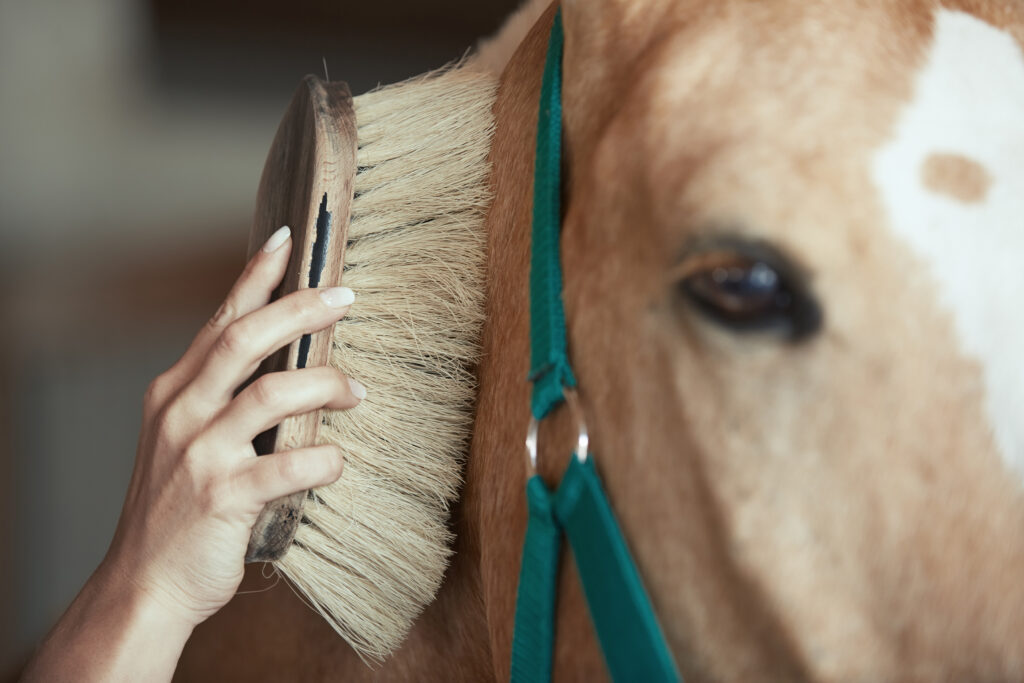
Maintaining a racehorse’s health and appearance requires more than just basic care. Horse grooming for racehorses is a specialized process that supports both the well-being and performance of these athletic animals. Proper grooming routines not only keep horses looking their best but also help prevent injuries, detect health issues early, and foster a strong bond between horse and handler.
For those new to the world of thoroughbred care or aiming to refine their stable practices, understanding the essentials of grooming can make a significant difference. This article covers the best techniques, tools, and routines for keeping racehorses in peak condition, with practical advice for daily and pre-race care. If you’re also interested in rider safety, you may want to learn how to find the right riding helmet for your head shape to complement your horse’s care routine.
Why Specialized Grooming Matters for Racehorses
Unlike leisure horses, racehorses are subject to intense training, travel, and competition schedules. Their grooming needs are more demanding, as their skin, coat, and hooves are under constant stress. Effective grooming routines for racehorses help:
- Enhance circulation and muscle tone through regular brushing and massage.
- Spot early signs of injury, irritation, or illness before they affect performance.
- Reduce the risk of skin infections and fungal issues common in high-performance environments.
- Maintain a shiny, healthy coat that reflects overall well-being.
Attention to detail in daily care can be the difference between a horse that merely competes and one that excels.
Essential Tools for Thoroughbred Grooming
Having the right equipment is crucial for efficient and effective grooming. A typical kit for high-performance horses should include:
- Curry comb: Loosens dirt and stimulates the skin.
- Body brush: Removes finer dust and smooths the coat.
- Mane and tail comb: Detangles hair without breakage.
- Hoof pick: Cleans out debris and checks for stones or injuries.
- Sponge or soft cloth: Wipes sensitive areas like the face and dock.
- Shedding blade: Useful during coat changes in spring and fall.
For a more detailed breakdown of grooming tools and their uses, you can consult this comprehensive beginner’s guide to horse grooming.
Daily Grooming Routine for Optimal Health
Consistency is key when caring for racehorses. A structured daily routine helps maintain their health and readiness for training or competition. Here’s a typical sequence:
- Start with the hooves: Use a hoof pick to remove dirt and stones, checking for cracks or heat that may signal problems.
- Loosen dirt with a curry comb: Move in gentle, circular motions to stimulate the skin and bring debris to the surface.
- Brush the body: Use a stiff brush to sweep away loosened dirt, followed by a soft brush for finishing touches and shine.
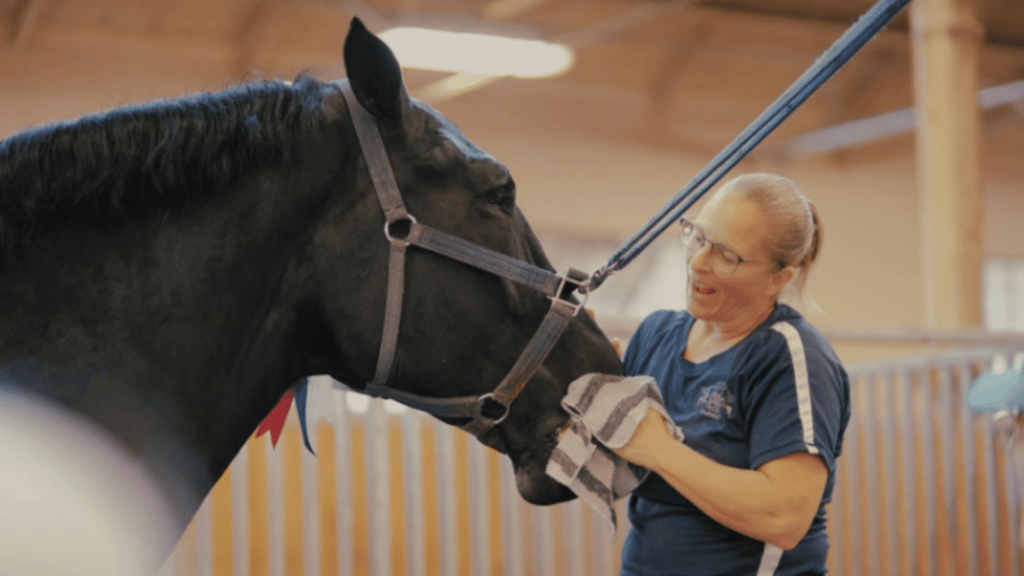
- Clean sensitive areas: Use a damp sponge or cloth for the face, dock, and legs.
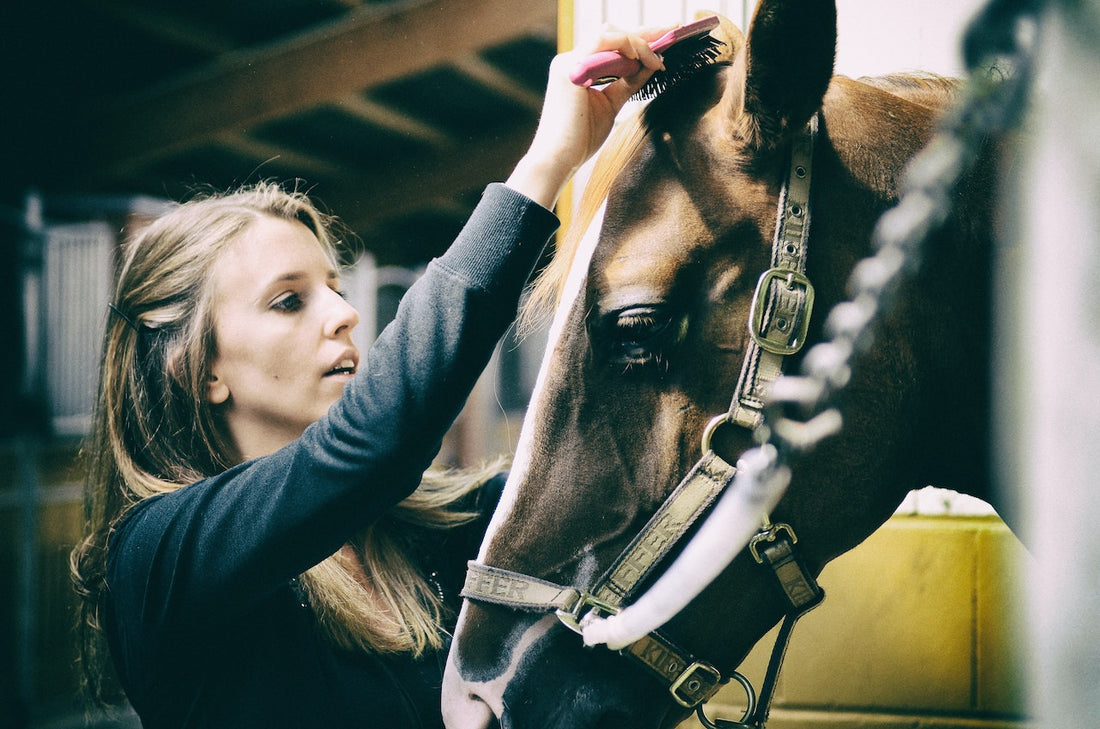
- Detangle mane and tail: Apply a detangling spray if needed, then gently comb through to avoid pulling hairs.
- Check for injuries: As you groom, look for cuts, swelling, or signs of discomfort.
Regular grooming not only keeps the horse clean but also offers an opportunity to monitor their physical condition closely.
Pre-Race and Post-Race Grooming Strategies
Preparing a horse for race day involves more than routine care. Pre-race grooming focuses on maximizing comfort and presentation, while post-race routines aid in recovery.
Before the Race
- Give a thorough brush to remove dust and enhance coat shine.
- Pay special attention to the mane and tail for a neat appearance.
- Check hooves for any signs of soreness or lodged debris.
- Apply a light coat conditioner for a polished look.
After the Race
- Cool the horse down with a gentle walk and, if needed, a sponge bath.
- Brush away sweat and dirt, focusing on areas under tack.
- Inspect for any cuts, scrapes, or swelling that may have occurred during the race.
- Offer a massage to relax muscles and promote circulation.
Both pre- and post-race grooming routines are essential for maintaining a horse’s comfort and performance throughout the season.
Tips for Maintaining a Healthy Coat and Skin
Racehorses often have sensitive skin due to frequent washing and close clipping. To support a healthy coat:
- Use mild, horse-specific shampoos and avoid over-bathing.
- Rinse thoroughly to prevent residue that can irritate the skin.
- Provide a balanced diet rich in omega-3 fatty acids for coat health.
- Keep grooming tools clean to avoid spreading bacteria or fungi.
- Monitor for signs of rain rot, hives, or other skin conditions, and address promptly.
Consistent, gentle care helps maintain the natural oils that protect the horse’s skin and coat, resulting in a glossy, resilient appearance.
Common Mistakes to Avoid in Racehorse Grooming
Even experienced handlers can overlook certain aspects of grooming. Avoid these pitfalls to ensure your horse’s comfort and performance:
- Using dirty or worn-out brushes, which can cause skin irritation.
- Neglecting to check hooves daily, increasing the risk of lameness.
- Brushing too harshly, especially on thin-skinned horses.
- Forgetting to clean sweat-prone areas, leading to sores or fungal infections.
- Skipping regular checks for injuries or abnormalities during grooming sessions.
Attention to detail and gentle handling are key to avoiding these common errors.
Frequently Asked Questions
How often should a racehorse be groomed?
Racehorses benefit from daily grooming, which helps maintain their coat, check for injuries, and build trust with handlers. In high-performance environments, twice-daily sessions—before and after exercise—are common.
What is the best way to keep a racehorse’s coat shiny?
Regular brushing with clean tools, a balanced diet, and occasional use of coat conditioners all contribute to a healthy shine. Avoid over-bathing, as it can strip natural oils from the coat.
Can grooming help detect health problems early?
Yes, daily grooming allows handlers to spot swelling, heat, cuts, or changes in behavior that may indicate underlying health issues. Early detection is crucial for prompt treatment and maintaining performance.
Conclusion
Effective horse grooming for racehorses is a blend of routine, technique, and attention to detail. By following best practices and using the right tools, handlers can support their horses’ health, comfort, and competitive edge. Whether you’re preparing for race day or maintaining daily care, a thoughtful approach to grooming is essential for every high-performance stable.