

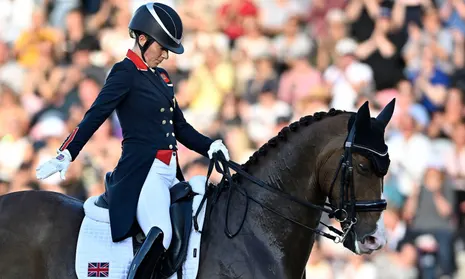
Mastering the art of dressage requires a deep understanding of both horse and rider, as well as a commitment to ongoing learning. As equestrians progress beyond the basics, they encounter new challenges that demand refined techniques, greater precision, and a more nuanced approach to communication with their horses. This article explores advanced dressage training concepts that help riders and horses achieve higher levels of performance, harmony, and athleticism.
Whether you’re preparing for upper-level competition or seeking to deepen your connection with your horse, these principles provide a roadmap for continuous improvement. It’s also important to remember that safety remains a priority at every stage. For guidance on protective gear, consider reviewing resources like how to choose a helmet for eventing to ensure both rider and horse can train with confidence.
Key Principles in Modern Dressage Progression
As riders move into more sophisticated levels of dressage, the focus shifts from basic obedience and rhythm to the pursuit of collection, impulsion, and self-carriage. These elements are the foundation of advanced work and are essential for executing movements such as piaffe, passage, and pirouette.
- Collection: This involves the horse carrying more weight on its hindquarters, resulting in elevated forehand and increased lightness. Achieving true collection requires gradual development and careful attention to the horse’s physical and mental readiness.
- Impulsion: Forward energy generated from the hindquarters, impulsion is critical for expressive gaits and dynamic transitions. It is cultivated through exercises that encourage engagement and responsiveness.
- Self-Carriage: A horse in self-carriage maintains balance and posture without relying on the rider’s constant support. This concept is a hallmark of advanced dressage and reflects a high degree of training and trust.
Developing Suppleness and Straightness
Two of the most important advanced dressage training concepts are suppleness and straightness. Suppleness refers to the horse’s ability to bend and move fluidly through its body, while straightness ensures that the horse’s hind feet follow the path of the front feet, preventing loss of energy and crookedness.
Exercises such as lateral movements (shoulder-in, haunches-in, half-pass) and transitions within and between gaits are invaluable for developing these qualities. Riders should focus on even contact, relaxation, and clear aids to encourage the horse to stretch and align properly.
Refining Communication: The Rider’s Role
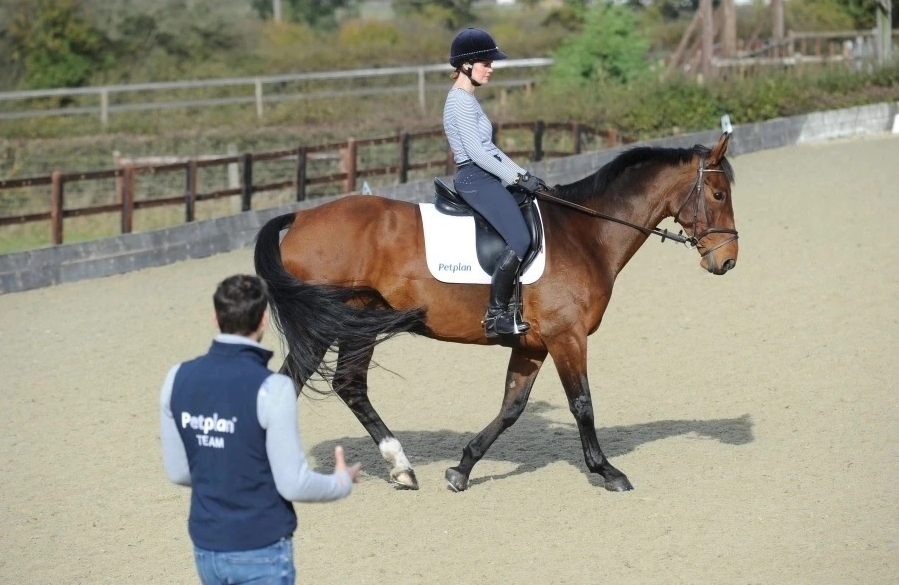
At higher levels, the rider’s influence becomes more subtle yet more significant. Clear, consistent aids and an independent seat are prerequisites for advanced work. Riders must develop the ability to give precise signals with minimal visible effort, allowing the horse to respond willingly and confidently.
Attention to rider biomechanics—such as alignment, balance, and timing—can make a profound difference. Many advanced riders work with coaches to analyze their position and effectiveness, often using video feedback or mirrors in the arena to fine-tune their technique.
Introducing Advanced Movements
Movements like flying changes, piaffe, and passage are milestones in upper-level dressage. Each requires a systematic approach, patience, and a willingness to revisit foundational exercises as needed. For example, teaching the flying change starts with establishing straight, balanced canter work and gradually introducing changes of lead through transitions and counter-canter.
The piaffe and passage demand exceptional engagement and collection, which are developed over time through half-steps, transitions, and in-hand work. It’s important to celebrate incremental progress and avoid rushing, as premature attempts can lead to confusion or tension.
Building Mental and Physical Resilience
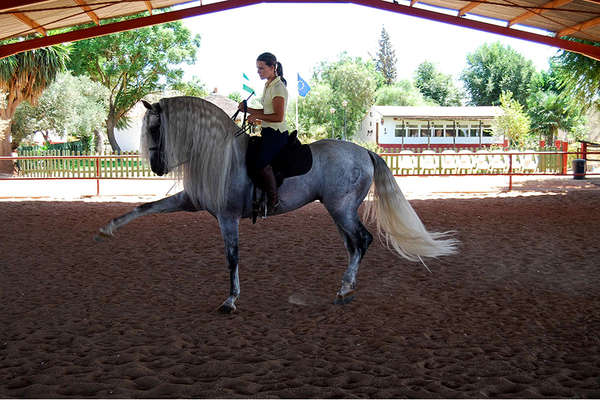
Progressing in dressage is as much a mental journey as a physical one. Horses and riders alike must develop resilience, patience, and adaptability. Advanced training often introduces new pressures, including competition stress and the demands of more complex routines.
Regular cross-training, turnout, and rest days help maintain the horse’s well-being and motivation. Riders should also prioritize self-care and ongoing education, seeking out reputable sources such as this comprehensive guide for dressage riders to stay informed about best practices and evolving techniques.
Common Challenges and Solutions in Upper-Level Dressage
Even experienced riders encounter obstacles as they work through advanced exercises. Some common issues include loss of rhythm, tension, or resistance during new movements. Addressing these challenges requires returning to basics, breaking down exercises into manageable steps, and maintaining a positive, patient attitude.
It’s also beneficial to periodically review equipment and safety practices. For example, understanding common equestrian helmet fitting mistakes can help prevent discomfort or distraction during training sessions.
Integrating Advanced Concepts Into Daily Training
Consistency is key when incorporating upper-level techniques into your routine. Short, focused sessions that emphasize quality over quantity yield the best results. Regularly alternating between challenging new exercises and reinforcing established skills helps prevent mental fatigue and keeps training enjoyable for both horse and rider.
Remember to celebrate progress, however small, and seek feedback from knowledgeable trainers or peers. The journey through advanced dressage is ongoing, with each milestone building on the last.
FAQ
What are the most important elements to focus on when moving beyond basic dressage?
The most critical elements include collection, impulsion, and self-carriage. Riders should also prioritize suppleness, straightness, and clear communication through precise aids. These foundations support the successful execution of advanced movements.
How can I tell if my horse is ready for more advanced dressage exercises?
Signs of readiness include consistent rhythm, relaxation, willingness to respond to subtle aids, and the ability to maintain balance and alignment during basic lateral work and transitions. If your horse demonstrates these qualities, you can gradually introduce more complex exercises while monitoring for signs of confusion or tension.
What should I do if my horse becomes tense or resistant during new movements?
If your horse shows signs of tension, return to simpler exercises to restore confidence and relaxation. Break down the new movement into smaller steps, reward progress, and avoid pushing too quickly. Consulting with a qualified trainer can also provide valuable guidance.
Are there resources for learning more about dressage safety and equipment?
Yes, there are many reputable sources available. For example, you can read about how to check riding helmet expiration dates or explore articles on international riding helmet standards to ensure you are using up-to-date and safe equipment.