

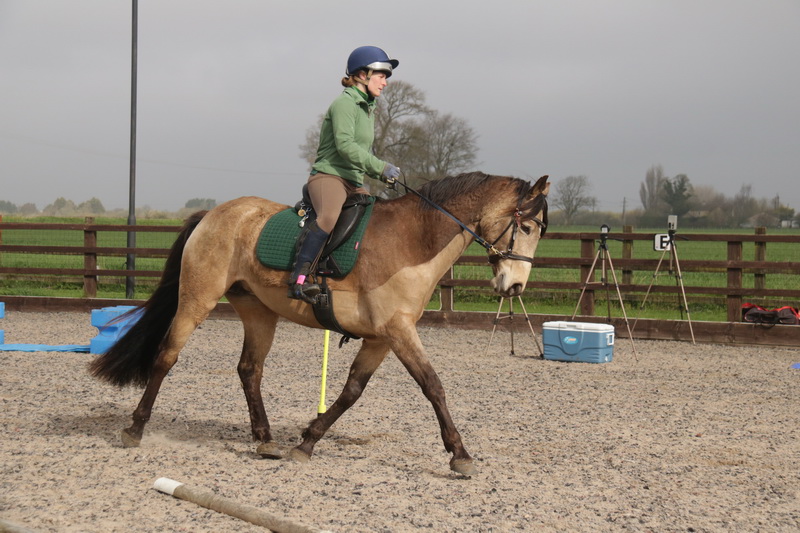
Understanding horse collection is fundamental for riders aiming to improve their horse’s balance, responsiveness, and overall performance. This concept is often discussed in dressage and other equestrian disciplines, but its principles benefit all types of riding. In this guide, we’ll break down what collection means, why it matters, how to achieve it, and common misconceptions that can hinder progress.
Whether you’re a new rider or seeking to refine your skills, learning about collection will help you communicate more effectively with your horse and develop a harmonious partnership. Before diving into the details, it’s important to recognize how collection fits into the broader context of equestrian safety and equipment. For example, choosing the right helmet is just as crucial for safety as mastering advanced techniques. You can learn more about how to find the right riding helmet for your head shape to ensure comfort and protection during your training sessions.
What Is Collection in Horses?
At its core, collection refers to a horse’s ability to shift more weight onto its hindquarters, lighten the forehand, and move with increased balance and self-carriage. When a horse is collected, it becomes more agile, responsive, and capable of performing advanced movements. Collection is not about making the horse go slower or simply tucking its nose; it’s about engaging the hind end and developing strength and suppleness throughout the body.
In practical terms, collection allows the horse to shorten its frame without losing energy or impulsion. The back rounds, the neck arches, and the horse moves with a sense of lightness. This is essential for disciplines like dressage, jumping, and even trail riding, where control and balance are key.
Why Collection Matters for Every Rider
Developing collection isn’t just for competitive riders. Every equestrian can benefit from understanding and applying these principles. Here’s why:
- Improved Balance: A collected horse is less likely to trip or stumble, making rides safer and more enjoyable.
- Better Responsiveness: Collection increases the horse’s ability to respond to subtle aids, enhancing communication between horse and rider.
- Physical Development: Regular work on collection builds muscle, flexibility, and overall fitness, supporting long-term soundness.
- Advanced Movements: Many maneuvers, such as pirouettes, flying changes, or tight turns, require some degree of collection.
For those interested in the technical aspects of balance and symmetry in both horse and rider, this resource on developing balance and symmetry in dressage offers in-depth insights.
How to Achieve Collection: Step-by-Step
Building collection is a gradual process that requires patience and consistency. Here’s a step-by-step approach:
- Start with Rhythm and Relaxation: Before collection, your horse should move forward willingly with a steady rhythm and relaxed muscles.
- Develop Impulsion: Encourage your horse to move energetically from behind, creating power without rushing.
- Establish Connection: Achieve a soft, elastic contact through the reins, allowing energy to flow from the hindquarters to the bit.
- Introduce Lateral Work: Exercises like shoulder-in, leg-yield, and haunches-in help your horse become more supple and responsive.
- Ask for Shorter Strides: Gradually ask your horse to take shorter, more elevated steps while maintaining energy. Use half-halts to rebalance.
- Reward and Release: When your horse offers moments of true collection, reward with a softening of the aids and praise.
Remember, collection is not achieved overnight. Consistent, correct practice is key to developing this advanced skill.

Common Misconceptions About Collection
There are several myths about collection that can lead riders astray. Here are some of the most common:
- “Collection is only for advanced horses.” In reality, every horse can benefit from learning the basics of collection, even at a low level.
- “Pulling the reins creates collection.” True collection comes from the hindquarters, not from forcing the head down with the reins.
- “Collection means going slow.” While collected gaits are often slower, the horse should remain energetic and forward-thinking.
- “Only dressage riders need to worry about collection.” Jumpers, eventers, and even trail riders can improve performance and safety by understanding collection.
Signs Your Horse Is Collected
It’s important to recognize when your horse is truly collected. Look for these signs:
- The hind legs step further underneath the body, bearing more weight.
- The back is rounded, not hollowed.
- The neck arches naturally, with the poll as the highest point.
- The horse feels lighter in the hand and more responsive to subtle aids.
- Transitions between gaits are smooth and balanced.
Regularly checking for these indicators will help you assess progress and avoid developing incorrect habits.

Tips for Practicing Collection Safely
Working on collection requires attention to safety for both horse and rider. Here are some practical tips:
- Always warm up your horse thoroughly before asking for collection.
- Use proper equipment, such as a well-fitted saddle and bridle. If you’re unsure about your gear, consult a professional fitter.
- Work with a qualified instructor who can provide feedback and help you avoid common pitfalls.
- Monitor your horse’s comfort and soundness. If you notice signs of discomfort or resistance, reassess your approach.
- Consider your own safety gear. In addition to collection, topics like the importance of a secure helmet retention system can help you stay protected during training.
Integrating Collection Into Your Training Routine
Incorporating collection into your regular riding sessions doesn’t have to be complicated. Here’s how you can make it part of your routine:
- Include transitions within and between gaits to encourage engagement of the hindquarters.
- Use lateral movements to build suppleness and responsiveness.
- Practice short periods of collection, alternating with relaxation and stretching.
- Track your progress with notes or videos to identify improvements and areas for further work.
Remember that every horse progresses at its own pace. Consistency, patience, and positive reinforcement are key to success.
Frequently Asked Questions
What is the difference between collection and engagement?
Engagement refers to the horse’s hind legs stepping further under the body and carrying more weight, while collection builds on engagement by also shortening the frame and increasing balance and self-carriage. Engagement is a prerequisite for collection, but collection involves a higher degree of balance and lightness.
Can young or green horses learn collection?
Yes, even young or inexperienced horses can start learning the basics of collection through simple exercises that encourage balance, rhythm, and impulsion. However, advanced collection should be introduced gradually as the horse develops strength and understanding.
How do I know if I’m asking for too much collection?
If your horse becomes tense, resistant, or loses rhythm, you may be asking for too much too soon. Signs such as tail swishing, head tossing, or hollowing the back indicate discomfort. Always progress at a pace that suits your horse’s physical and mental development.
Is collection only important for dressage?
No, collection benefits all riding disciplines. Jumpers, eventers, and even casual riders can improve safety, performance, and communication by working on collection principles.
Conclusion
Mastering collection is a journey that enhances the partnership between horse and rider. By understanding the principles, practicing consistently, and prioritizing safety, you’ll help your horse move with greater balance, power, and grace. For those looking to deepen their knowledge, exploring topics such as the difference between UK and US riding standards can provide valuable context for your training approach. With patience and the right guidance, collection will become a natural and rewarding part of your riding experience.