


Preparing your horse for a ride is about more than just tacking up and heading out. Proper horse grooming before riding is a crucial step for both the animal’s comfort and your safety. Not only does it help keep the horse’s coat healthy and free from debris, but it also gives you the chance to check for injuries, skin issues, or anything that might affect your ride. Whether you’re a seasoned equestrian or just starting out, understanding the right grooming routine can make a significant difference in your horse’s well-being and performance.
Before you saddle up, taking the time to groom helps prevent saddle sores, irritation, and even behavioral problems. It also strengthens the bond between you and your horse, as grooming is a calming and trust-building activity. If you’re interested in maximizing your safety on every ride, you might also want to learn about how to choose a helmet for eventing to ensure your own protection.
Why Pre-Ride Grooming Matters
Skipping or rushing through grooming can lead to discomfort for your horse and even unsafe riding conditions. Dirt, sweat, or loose hair trapped under tack can cause painful rubs or sores. By thoroughly brushing and checking your horse, you reduce the risk of skin problems and ensure that the saddle and bridle fit comfortably. This routine also gives you the opportunity to spot any swelling, cuts, or signs of illness before you ride.
Additionally, grooming before riding helps distribute natural oils through the coat, keeping it shiny and healthy. It’s also a moment to observe your horse’s mood and energy level, which can influence how your ride will go.
Essential Tools for Grooming Before Riding
Having the right equipment makes the process more efficient and enjoyable for both you and your horse. A basic grooming kit for pre-ride preparation should include:
- Curry comb: Loosens dirt, mud, and loose hair.
- Hard brush (dandy brush): Removes the loosened debris from the coat.
- Soft brush (body brush): Smooths the coat and removes finer dust.
- Hoof pick: Cleans out the hooves, removing stones and debris.
- Mane and tail comb: Detangles and smooths the mane and tail.
- Sponge or cloth: Wipes sensitive areas like the face and dock.
Investing in a quality grooming set can save time and keep your horse comfortable. For those looking to upgrade their kit, consider checking out the Buy Horse Grooming Kit for a comprehensive solution.
Step-by-Step Guide to Grooming Your Horse Before a Ride
Following a consistent routine ensures that nothing is missed and your horse is ready for any activity. Here’s a practical sequence to follow:
- Secure Your Horse: Tie your horse safely using a quick-release knot or cross-ties in a quiet, clean area.
- Pick Out the Hooves: Start by cleaning each hoof with a hoof pick, removing dirt, stones, and manure. Check for cracks, thrush, or loose shoes.
- Curry the Coat: Use a curry comb in circular motions over the body (avoiding bony areas) to loosen dirt and stimulate the skin.
- Brush Away Debris: Follow with a hard brush to flick away the loosened dirt, then use a soft brush for sensitive areas and to give the coat a final polish.
- Clean the Face and Sensitive Areas: Use a damp sponge or soft cloth to gently wipe around the eyes, muzzle, and dock.
- Detangle Mane and Tail: Carefully comb through the mane and tail, starting from the bottom and working up to avoid breakage.
- Final Inspection: Run your hands over your horse’s body to check for bumps, heat, or injuries that might need attention.
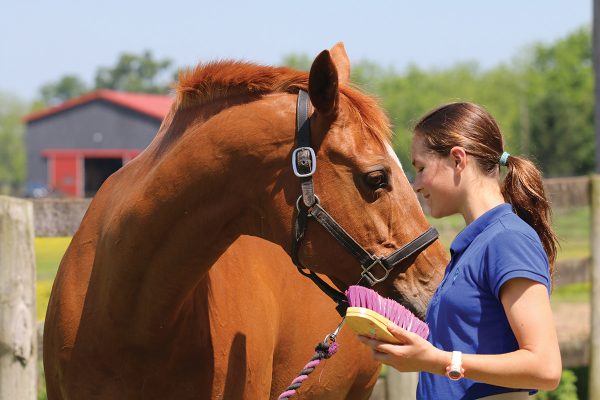
Areas to Pay Special Attention To
Some parts of your horse’s body are more prone to collecting dirt or being sensitive under tack. Focus extra attention on:
- Girth and saddle areas: These spots can easily develop sores if not thoroughly cleaned.
- Behind the ears and under the bridle: Dirt here can cause discomfort and head tossing.
- Legs and fetlocks: Mud and debris can lead to skin irritation or scratches.
- Hooves: Stones or packed dirt can cause lameness if left unchecked.
If you’re interested in learning more about helmet safety and comfort for riders, you might also find value in reading about how to evaluate helmet weight for neck comfort.
Tips for an Effective Pre-Ride Grooming Routine
To make the most of your grooming session before each ride, keep these tips in mind:
- Stay consistent: Groom your horse before every ride, not just when they look dirty.
- Use the right tools: A well-stocked grooming kit makes the process smoother and more thorough.
- Be gentle: Always use soft, calm motions, especially on sensitive areas.
- Check for injuries: Use grooming time to spot any cuts, swelling, or heat that could signal a problem.
- Reward your horse: Positive reinforcement helps your horse associate grooming with a pleasant experience.

Common Mistakes to Avoid When Prepping Your Horse
Even experienced riders can overlook certain steps in their grooming routine. Here are some frequent errors and how to prevent them:
- Rushing the process: Skipping steps or hurrying can lead to missed injuries or discomfort for your horse.
- Neglecting the hooves: Failing to pick out hooves before riding can result in lameness or tripping.
- Forgetting sensitive areas: Always clean under the saddle, girth, and bridle to prevent sores.
- Using dirty or worn-out tools: Old brushes can irritate the skin and be less effective.
For a deeper dive into best practices, check out this comprehensive guide to horse grooming for additional tips and techniques.
Frequently Asked Questions
How long should it take to groom a horse before riding?
A thorough grooming session before riding typically takes 15–30 minutes. The time may vary depending on how dirty your horse is and how familiar you are with the routine. Consistency helps reduce the time needed as your horse stays cleaner between rides.
Is it necessary to groom if the horse looks clean?
Yes, even if your horse appears clean, grooming is still important. It helps remove invisible dust and sweat, checks for injuries, and ensures that tack will not cause irritation. It’s also a valuable bonding time.
Can I use the same grooming routine after riding?
While many steps are similar, post-ride grooming should focus on removing sweat, checking for rubs from tack, and cooling down your horse. You may want to use a damp sponge or sweat scraper after exercise, especially in hot weather.
What should I do if I find a cut or swelling during grooming?
If you notice any injuries, assess their severity. Minor scrapes can be cleaned and monitored, but deeper cuts, swelling, or signs of lameness should be evaluated by a veterinarian before riding.
Establishing a consistent grooming routine before every ride not only keeps your horse healthy and comfortable but also sets the stage for a safer, more enjoyable experience for both of you. For more equestrian safety tips, you can also read about how to check riding helmet expiration dates to ensure your gear is always up to standard.