

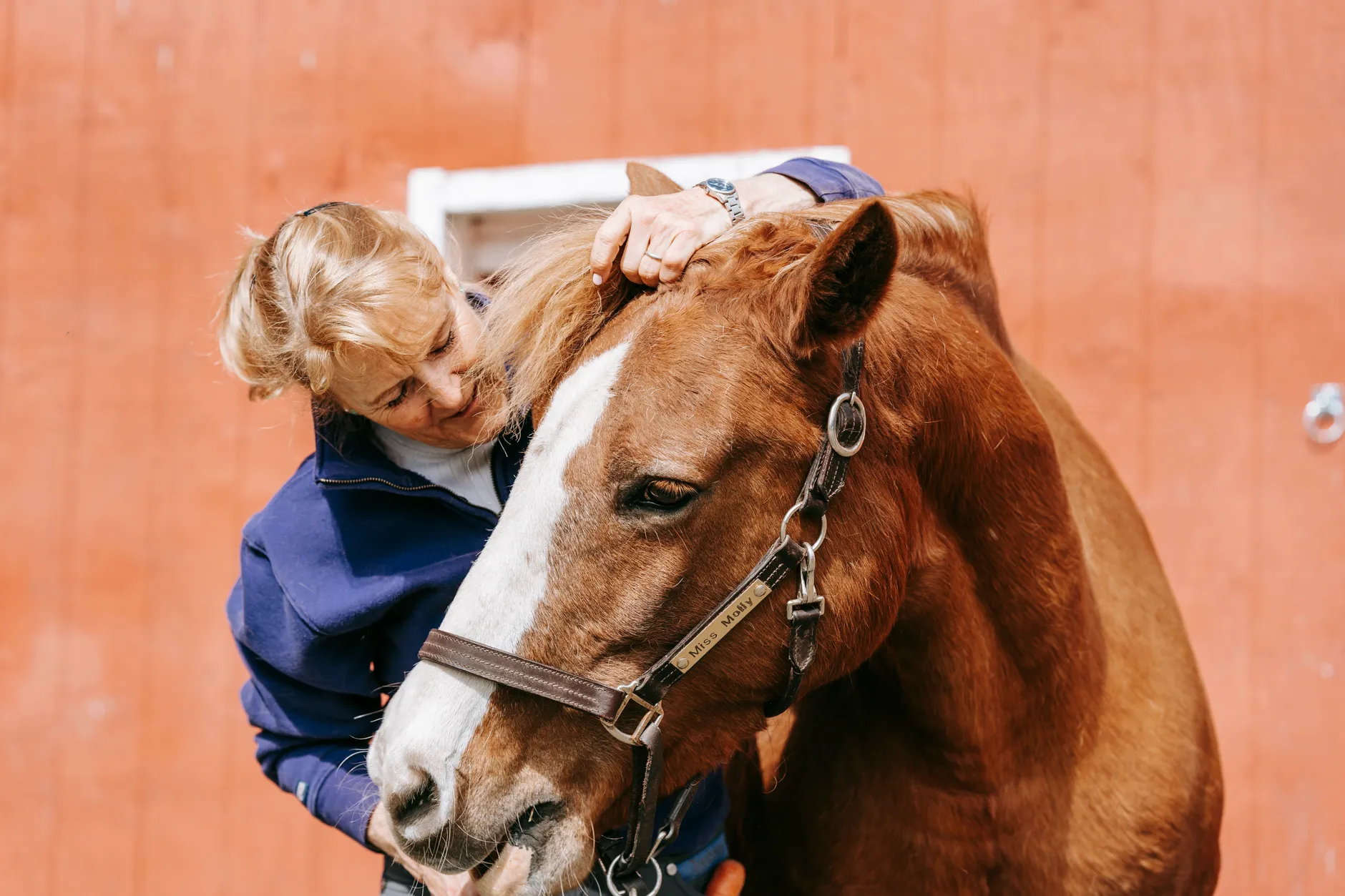
Creating a strong connection with your horse is essential for enjoyable riding, effective training, and a safe partnership. Whether you’re a new horse owner or looking to deepen your relationship with a long-time companion, understanding the best ways to earn your horse’s trust can make all the difference. This guide shares practical horse bonding tips to help you communicate better, foster mutual respect, and develop a lasting partnership built on trust.
Building a relationship with a horse takes time, patience, and a willingness to learn. Horses are sensitive animals that respond to body language, tone, and consistency. By focusing on positive interactions and understanding your horse’s needs, you’ll create a foundation that supports both training and daily care. For those interested in broader aspects of equine care, our horse stable management guide offers comprehensive advice for beginners.
Understanding Your Horse’s Body Language
One of the most important horse bonding tips is learning to read your horse’s body language. Horses communicate primarily through posture, facial expressions, and movement. Recognizing signs of relaxation, tension, curiosity, or discomfort helps you respond appropriately and avoid misunderstandings.
- Relaxed horse: Soft eyes, lowered head, relaxed ears, and a loose stance indicate comfort and trust.
- Anxious horse: Wide eyes, tense muscles, high head, and pinned ears suggest fear or uncertainty.
- Curious horse: Forward ears, sniffing, and gentle nudging show interest and willingness to interact.
Paying attention to these cues allows you to adjust your approach and build a positive experience for both you and your horse.

Consistency and Routine: The Foundation of Trust
Horses thrive on routine and clear expectations. Establishing consistent patterns in feeding, grooming, and handling helps your horse feel secure. When your horse knows what to expect, anxiety decreases and trust grows.
Try to approach your horse calmly and use the same cues for leading, stopping, and asking for movement. Speak in a gentle tone and avoid sudden movements. Over time, your horse will associate you with positive, predictable experiences.
For those new to horse care, learning about beginner horse breeds can also help you choose a companion that matches your experience level and goals.
Groundwork Exercises for Connection
Spending time with your horse on the ground is one of the most effective ways to build a bond. Groundwork exercises help establish respect, improve communication, and create a safe environment for both horse and handler.
- Leading and Halting: Practice walking your horse on a lead, stopping, and starting together. Reward calm, attentive behavior with gentle praise or a scratch in a favorite spot.
- Backing Up: Teach your horse to back up on cue. This reinforces your role as a leader and encourages your horse to pay attention to your signals.
- Desensitization: Introduce new objects or situations gradually. Allow your horse to investigate at their own pace, rewarding curiosity and calmness.
Short, positive sessions are more effective than long, stressful ones. End each session on a good note to reinforce trust and willingness.
Positive Reinforcement and Reward-Based Training
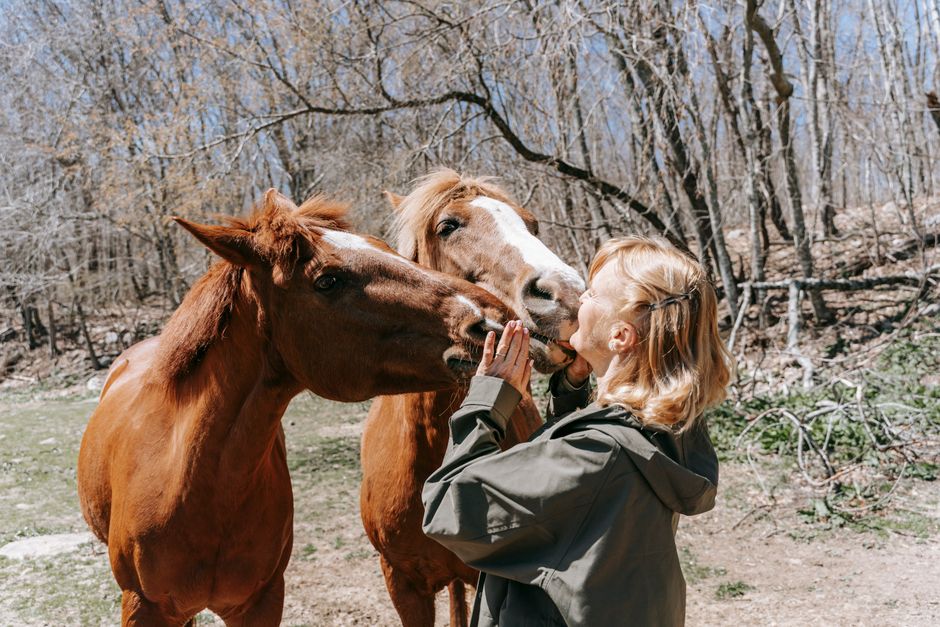
Using positive reinforcement is a proven way to encourage desired behaviors and strengthen your relationship. Horses respond well to praise, gentle touch, and the occasional treat. When your horse does something right, mark the moment with a kind word or a reward.
Avoid punishment or harsh corrections, as these can damage trust and make your horse fearful. Instead, focus on rewarding progress and being patient with setbacks. Over time, your horse will associate you with safety and positive experiences.
For more insights into how a horse’s body works and how it affects their behavior, our horse anatomy resource offers helpful diagrams and explanations.
Spending Quality Time Beyond Riding
Bonding doesn’t only happen during training or riding sessions. Horses appreciate time spent together in a relaxed setting. Consider these activities to deepen your connection:
- Grooming: Regular brushing not only keeps your horse clean but also provides an opportunity for gentle touch and relaxation.
- Hand Grazing: Allow your horse to graze while you stand nearby. This quiet time can be calming and helps your horse associate you with comfort.
- Exploring Together: Take walks around the property or introduce your horse to new environments at their pace.
These moments help your horse see you as a source of safety and companionship, not just a rider or trainer.

Patience and Respect: The Keys to a Lasting Relationship
Every horse is unique, with their own personality, history, and comfort level around humans. Some horses may warm up quickly, while others need more time. The most important horse bonding tips always come back to patience and respect. Never rush the process or force interactions. Allow your horse to approach you and set the pace for your relationship.
Respect your horse’s boundaries and celebrate small steps forward. With time, your horse will learn to trust you and look forward to your time together.
If you’re interested in learning about different types of horses and their characteristics, our detailed guide on horse breeds is a valuable resource.
Common Mistakes to Avoid When Building Trust
Even well-meaning horse owners can make mistakes that hinder bonding. Here are a few pitfalls to watch for:
- Inconsistency: Changing routines or signals can confuse your horse and slow progress.
- Impatience: Expecting immediate results can lead to frustration for both you and your horse.
- Ignoring Body Language: Missing signs of discomfort or fear can damage trust.
- Overusing Treats: While treats can be helpful, relying on them too much may lead to pushy behavior.
Stay mindful of your actions and always strive to communicate clearly and kindly.
Frequently Asked Questions
How long does it take to bond with a horse?
The time required to build trust varies for each horse and owner. Some horses may respond positively within weeks, while others need several months. Consistency, patience, and positive interactions are key to developing a strong relationship.
What are the best activities for bonding with my horse?
Spending time grooming, hand grazing, groundwork exercises, and exploring new areas together are all excellent ways to strengthen your connection. Focus on activities that your horse enjoys and that allow for calm, positive interaction.
Can I bond with a horse that has had negative experiences with humans?
Yes, it is possible to build trust with a horse that has experienced fear or trauma. The process may take longer and require extra patience, but gentle handling, consistency, and respect for the horse’s boundaries can help rebuild confidence over time.
Do certain breeds bond more easily with humans?
While individual temperament plays a larger role than breed, some breeds are known for their friendly and people-oriented nature. Learning about beginner horse breeds can help you choose a horse that matches your experience and bonding goals.
Developing a deep connection with your horse is a rewarding journey. By following these practical horse bonding tips, you’ll lay the groundwork for a partnership built on trust, respect, and mutual understanding. Remember, every horse is different—take your time, stay consistent, and enjoy the process of getting to know your equine companion.