

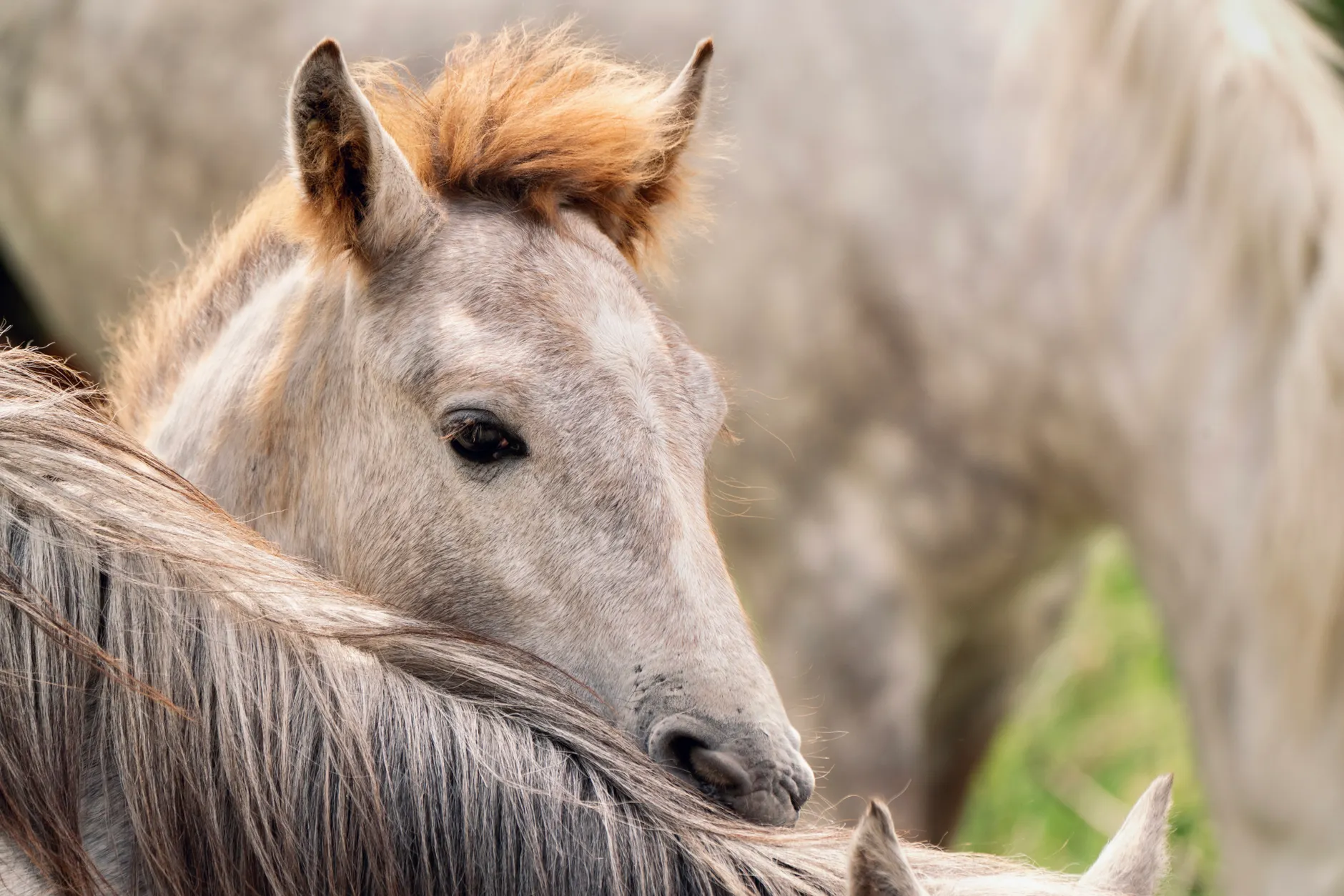
Understanding horse anatomy is essential for anyone working with, riding, or caring for horses. A solid grasp of the horse’s physical structure helps owners, trainers, and enthusiasts recognize healthy movement, identify potential issues, and optimize care. From the muscular build that powers their stride to the intricate skeletal framework supporting their weight, each part of a horse’s body plays a vital role in its overall health and performance.
Whether you’re a new horse owner, an aspiring equestrian, or simply fascinated by these remarkable animals, learning about their anatomy provides valuable insights into their behavior, movement, and needs. This guide breaks down the key anatomical features, highlights their functions, and offers practical tips for observation and care.
If you’re interested in how different horse breeds vary in their anatomical traits, you can explore detailed breed profiles to see how conformation and structure influence temperament, size, and best uses.
Key External Features of the Equine Body
The external structure of a horse is made up of distinct regions, each with unique functions and characteristics. Recognizing these areas is the foundation for understanding more complex aspects of equine anatomy.
- Head: Houses the brain, eyes, ears, nostrils, and mouth. The shape and size of the head can affect breathing and vision.
- Neck: Connects the head to the body, providing balance and flexibility. A well-muscled neck supports efficient movement.
- Withers: The ridge between the shoulder blades, used as the standard point for measuring a horse’s height.
- Back and Loin: The back runs from the withers to the loin, which is the area just before the croup. These regions support the rider and saddle.
- Croup and Tail: The croup is the top of the hindquarters, leading to the tail, which aids in balance and communication.
- Legs: Divided into forelimbs and hindlimbs, each with joints, tendons, and hooves designed for speed and strength.
Understanding the Skeletal System
The horse skeleton provides the framework that supports the animal’s body and protects vital organs. Horses have approximately 205 bones, forming a structure that is both strong and lightweight.
Major Bones and Their Functions
- Skull: Protects the brain and supports facial structures.
- Spine: Runs from the skull to the tail, divided into cervical (neck), thoracic (back), lumbar (loin), sacral (croup), and caudal (tail) vertebrae.
- Ribs: Shield the heart and lungs, forming the barrel of the horse.
- Forelimbs: Include the scapula (shoulder blade), humerus, radius, ulna, carpus (knee), cannon bone, and pastern bones.
- Hindlimbs: Consist of the pelvis, femur, patella (stifle), tibia, fibula, hock, cannon bone, and pastern bones.
The arrangement of these bones allows for the powerful, fluid movement that horses are known for. The legs, in particular, are adapted for absorbing shock and propelling the horse forward at various gaits.
Muscular System and Movement
Muscles work in tandem with the skeleton to produce motion. The muscular system is divided into three main types: skeletal, smooth, and cardiac. Skeletal muscles, which are attached to bones, are responsible for voluntary movement and make up the bulk of the horse’s visible musculature.
Key Muscle Groups
- Neck Muscles: Control head movement and assist in balance.
- Back Muscles: Support the spine and help carry the rider.
- Shoulder and Forearm Muscles: Enable forward motion and absorb impact.
- Hindquarter Muscles: Provide power for jumping, galloping, and turning.
Proper conditioning and care of these muscle groups are crucial for performance and injury prevention. Observing muscle tone and symmetry can also help detect early signs of discomfort or imbalance.
Hoof and Limb Anatomy
The limbs and hooves are among the most critical components of horse anatomy. Each leg is a complex system of bones, joints, tendons, ligaments, and the hoof itself.
Structure of the Hoof
- Wall: The hard, outer covering that bears most of the horse’s weight.
- Sole: The underside of the hoof, protecting the sensitive inner structures.
- Frog: A V-shaped structure that aids in shock absorption and traction.
- Laminae: Thin layers connecting the hoof wall to the coffin bone, crucial for hoof health.
Healthy hooves are essential for overall well-being. Regular cleaning, trimming, and inspection help prevent common issues like thrush, cracks, or laminitis.
Internal Organs and Their Roles
Beyond the visible structures, the internal organs of a horse play vital roles in digestion, respiration, and circulation. Understanding these systems helps owners recognize signs of illness and provide better care.
- Digestive System: Horses are non-ruminant herbivores with a single-chambered stomach and a long hindgut for fermenting fibrous food.
- Respiratory System: Includes the nostrils, trachea, lungs, and diaphragm, enabling efficient oxygen intake during exercise.
- Circulatory System: The heart pumps blood throughout the body, delivering nutrients and removing waste.
- Urinary and Reproductive Systems: Responsible for waste elimination and reproduction, with anatomical differences between mares and stallions.
How Anatomy Influences Horse Care and Performance
A thorough understanding of horse anatomy enables better management and training. For example, knowing the location of sensitive nerves and pressure points helps in fitting saddles and bridles correctly. Recognizing normal versus abnormal conformation can also guide decisions about a horse’s suitability for specific disciplines.
The choice of equipment, such as best horse saddle pads, should be informed by the horse’s back shape and muscle development to ensure comfort and prevent injury.
Frequently Asked Questions
What are the most important parts of a horse’s anatomy to know for beginners?
Beginners should focus on learning the main external features such as the head, neck, withers, back, croup, and legs. Understanding the basic skeletal and muscular systems, as well as hoof structure, provides a solid foundation for safe handling and care.
How does a horse’s anatomy affect its movement?
The arrangement of bones, muscles, and joints determines a horse’s range of motion, balance, and ability to perform various gaits. Conformation faults or injuries can limit movement and impact performance, making anatomical knowledge essential for trainers and riders.
Why is hoof care so important?
The hooves support the entire weight of the horse and absorb shock during movement. Poor hoof health can lead to lameness and other serious issues. Regular maintenance, proper nutrition, and prompt attention to injuries are key to keeping hooves healthy.
For those interested in optimizing training sessions, choosing the best horse treats for training can support positive reinforcement and overall well-being.
Gaining a deeper appreciation of equine structure not only improves care but also enhances the bond between horse and handler. Whether you’re studying for exams, training for competition, or simply want to understand your horse better, a knowledge of anatomy is an invaluable asset.