

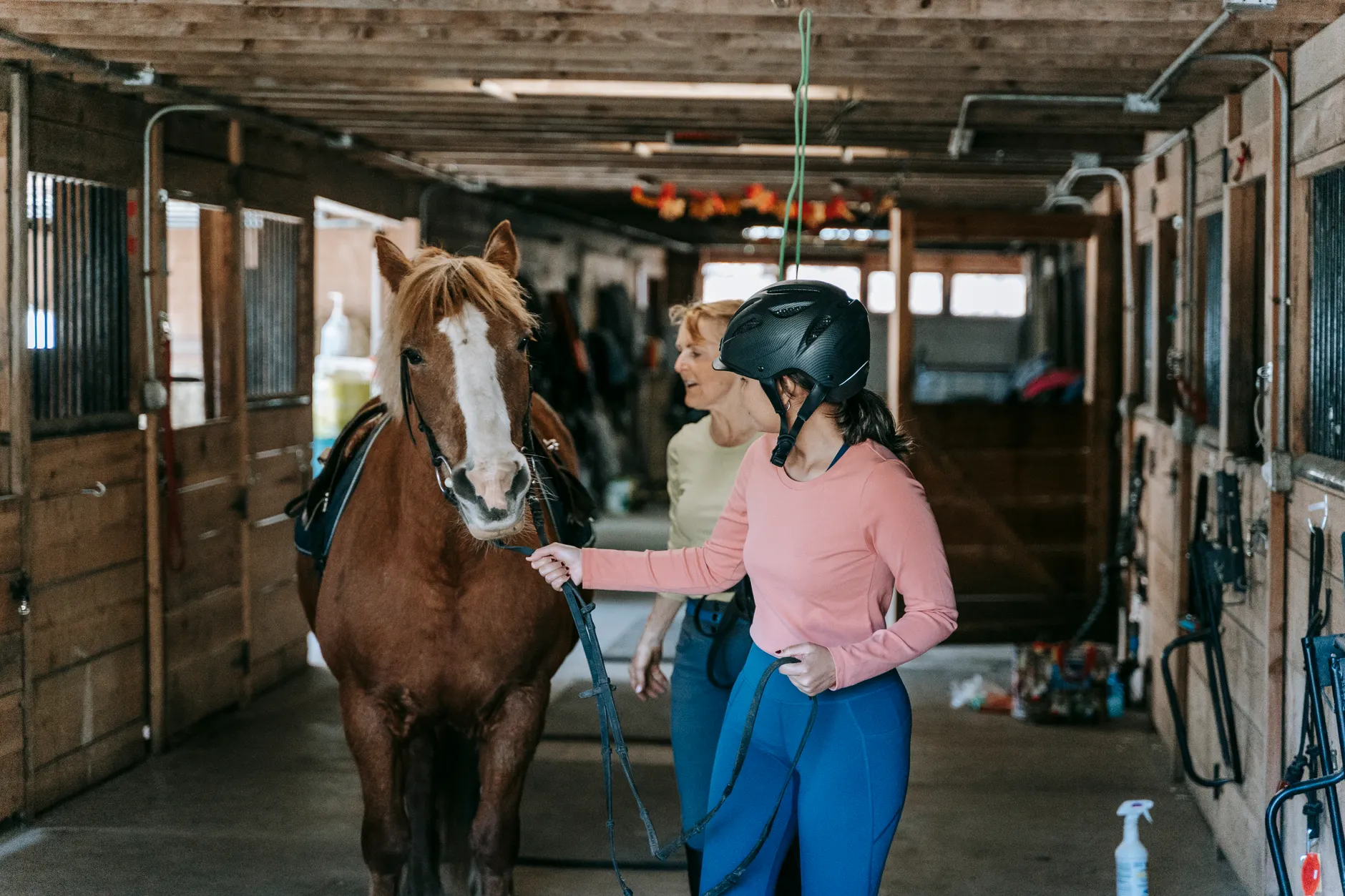
Learning the essentials of horse stable management is the foundation for providing a safe, healthy, and comfortable environment for horses. Whether you’re caring for your first horse or planning to oversee a small barn, understanding stable routines, hygiene, feeding, and horse welfare is crucial. This guide breaks down the basics and offers practical advice to help you start strong and avoid common pitfalls.
Before diving into the daily routines, it’s helpful to understand a bit about the animals themselves. If you’re curious about different horse breeds and their unique needs, exploring breed characteristics can help you tailor your stable management practices for the best results.
Getting Started: Setting Up a Safe and Functional Stable
Creating a secure and efficient stable environment is the first step in responsible horse care. The layout, materials, and features of your barn directly impact horse health and ease of management. Here are the key considerations for beginners:
- Location and Ventilation: Choose a site with good drainage and plenty of natural airflow. Proper ventilation reduces respiratory problems and keeps the barn fresh.
- Stall Size and Design: Each horse needs enough room to move, lie down, and turn comfortably. A typical stall measures at least 12×12 feet for an average-sized horse.
- Flooring: Non-slip, easy-to-clean surfaces like rubber mats or packed dirt are ideal. Good flooring prevents injuries and makes mucking out easier.
- Lighting and Safety: Ensure adequate lighting for both horses and handlers. Remove sharp edges, exposed nails, or loose boards to prevent accidents.
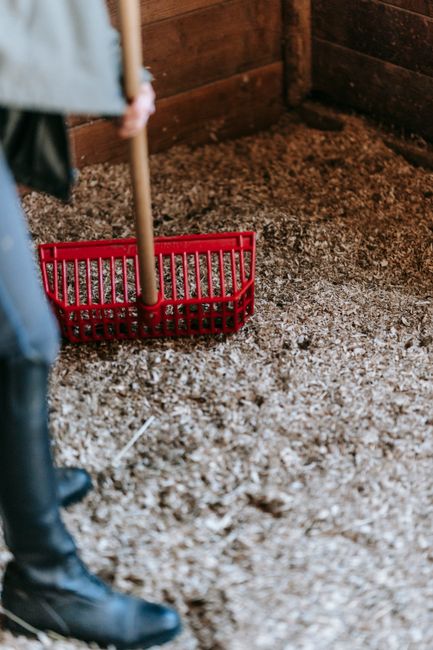
Regularly check all areas for hazards and maintain a tidy, organized space. This not only keeps horses safe but also streamlines your daily chores.
Daily Routines for Effective Horse Stable Management
Consistency is key when caring for horses. Establishing a daily routine helps horses feel secure and ensures nothing important is overlooked. Here’s what a typical day involves:
- Feeding: Provide fresh hay and clean water at set times. Adjust feed based on each horse’s age, workload, and health status.
- Mucking Out: Remove manure and soiled bedding at least once a day. Clean stalls reduce the risk of disease and keep horses comfortable.
- Turnout: Allow horses time outside for exercise and socialization. Rotate pastures to prevent overgrazing and maintain grass quality.
- Health Checks: Observe each horse for signs of illness or injury. Early detection is vital for effective treatment.
Developing a checklist for daily, weekly, and monthly tasks can help you stay organized and ensure all aspects of care are covered.
Feeding, Watering, and Nutrition Basics
Proper nutrition is a cornerstone of horse care. Horses require a balanced diet tailored to their age, breed, activity level, and health. Here are the fundamentals:
- Forage First: The majority of a horse’s diet should be high-quality hay or pasture grass. Forage supports digestion and keeps horses occupied.
- Concentrates: Grains or pelleted feeds may be added for horses with higher energy needs, but should be fed in moderation.
- Clean Water: Horses need constant access to fresh, clean water. Check and refill buckets or automatic waterers daily.
- Supplements: Only add supplements if recommended by a veterinarian or equine nutritionist.
Monitor each horse’s weight and body condition regularly, adjusting feed as needed. Sudden changes in diet can cause digestive upset, so introduce new feeds gradually.
Stable Hygiene and Disease Prevention
Maintaining a clean environment is essential for preventing illness and promoting horse welfare. Good hygiene practices include:
- Regular Cleaning: Remove manure, wet bedding, and leftover feed daily. Disinfect stalls, buckets, and equipment on a routine basis.
- Pest Control: Manage flies, rodents, and other pests by keeping feed sealed and using traps or safe repellents.
- Quarantine New Arrivals: Isolate new or sick horses to prevent the spread of contagious diseases.
- Vaccination and Deworming: Follow a veterinarian-recommended schedule for vaccines and parasite control.
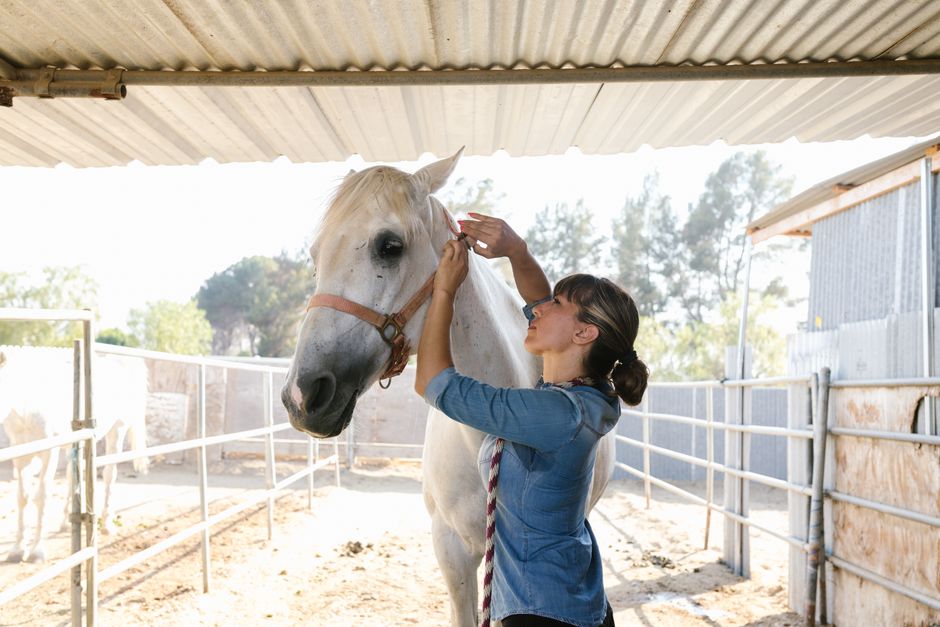
Good stable hygiene not only protects horses but also creates a more pleasant environment for everyone who visits or works in the barn.
Essential Equipment and Tools for Beginners
Having the right tools makes stable work more efficient and less stressful for both you and your horses. Beginners should invest in:
- Pitchforks and Shovels: For mucking out stalls and moving bedding.
- Wheelbarrow: To transport manure, hay, or supplies easily.
- Water Buckets and Feed Tubs: Durable, easy-to-clean containers are best.
- Grooming Kit: Brushes, hoof picks, and combs for daily care.
- First Aid Supplies: Keep a basic equine first aid kit on hand for emergencies.
Store equipment in a designated area to keep the stable organized and reduce the risk of accidents.
Understanding Horse Behavior and Welfare
Recognizing normal and abnormal behaviors helps you respond to your horse’s needs and prevent problems. Horses are social, intelligent animals that thrive on routine and gentle handling. Key welfare considerations include:
- Socialization: Horses benefit from interaction with other horses. If possible, allow them to see and touch each other safely.
- Enrichment: Toys, varied environments, and regular turnout prevent boredom and stress-related behaviors.
- Observation: Spend time watching your horses to learn their habits and spot any changes early.
For a deeper understanding of equine anatomy and how it affects care, you can explore horse anatomy resources that include diagrams and explanations.
Seasonal Considerations in Stable Care
Horse care routines change with the seasons. In winter, provide extra bedding and ensure water doesn’t freeze. In summer, focus on ventilation, fly control, and access to shade. Adjust feeding and turnout schedules as needed to keep horses healthy year-round.
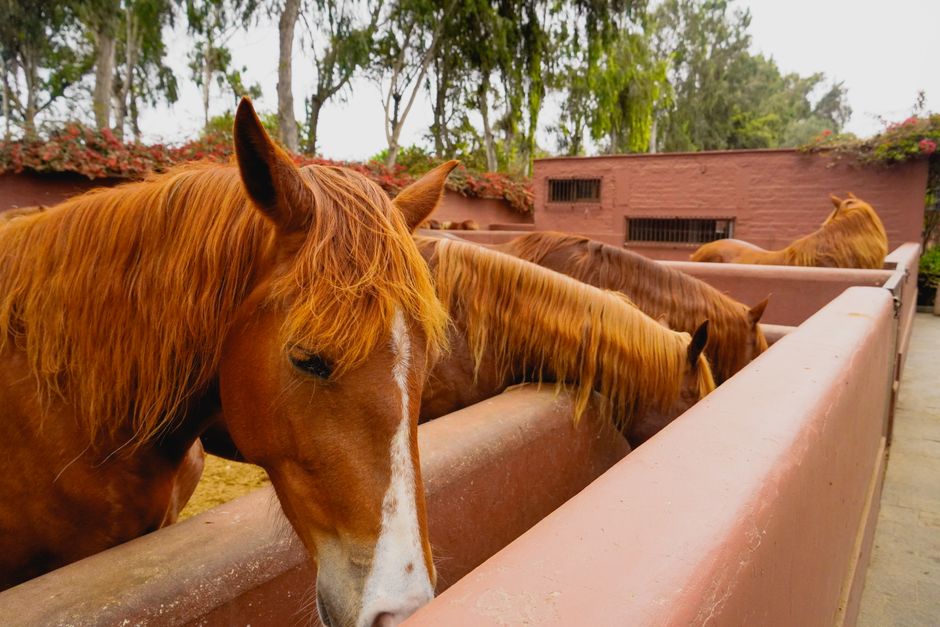
Always monitor horses closely during extreme weather and make adjustments to their care as necessary.
Common Mistakes and How to Avoid Them
Many new stable managers make similar errors. Here are some to watch out for:
- Neglecting daily cleaning, leading to health issues.
- Overcrowding stalls or pastures, causing stress and injuries.
- Ignoring routine health checks or delaying veterinary care.
- Feeding inappropriate diets or making sudden changes to feed.
- Failing to provide enough turnout or enrichment.
By staying proactive and seeking advice from experienced horse owners, you can avoid these pitfalls and ensure your horses thrive.
Frequently Asked Questions
What is the most important aspect of managing a horse stable?
The most critical factor is maintaining a clean, safe, and consistent environment. Daily routines, proper nutrition, and regular health checks are all essential for horse well-being.
How often should stalls be cleaned?
Stalls should be mucked out at least once a day, with wet bedding and manure removed promptly. Some barns clean twice daily for optimal hygiene.
Do all horses need the same type of feed?
No, horses have different nutritional needs based on age, breed, activity level, and health. Consult with a veterinarian or equine nutritionist to develop the right feeding plan for each horse.
Conclusion
Mastering the basics of stable management sets the stage for a rewarding experience with horses. By focusing on safety, cleanliness, nutrition, and attentive care, you’ll create a positive environment for both horses and handlers. For those interested in learning more about suitable horses for newcomers, check out resources on beginner horse breeds to find the best match for your stable. With dedication and the right knowledge, anyone can become a confident and effective stable manager.