


When choosing a riding helmet, the brim design is more than just a style preference—it can affect comfort, safety, and performance in the saddle. Riders often compare fixed and flexible brims to determine which option best suits their needs. Understanding the distinctions between these two brim types helps riders make informed decisions for both everyday use and specific equestrian disciplines.
In this article, we’ll break down the difference between fixed and flexible brims, covering their construction, advantages, disadvantages, and ideal uses. If you’re also considering other helmet features, you may want to explore topics like how to choose a helmet for eventing or the difference between foam and gel helmet padding for a comprehensive understanding of helmet safety and comfort.
Understanding Brim Types in Riding Helmets
The brim of a riding helmet serves several purposes: it helps shield the rider’s eyes from sunlight, rain, and debris, and it can influence the overall look and aerodynamics of the helmet. The two main styles—fixed and flexible—differ in their materials, construction, and how they react under pressure or impact.
What Is a Fixed Brim?
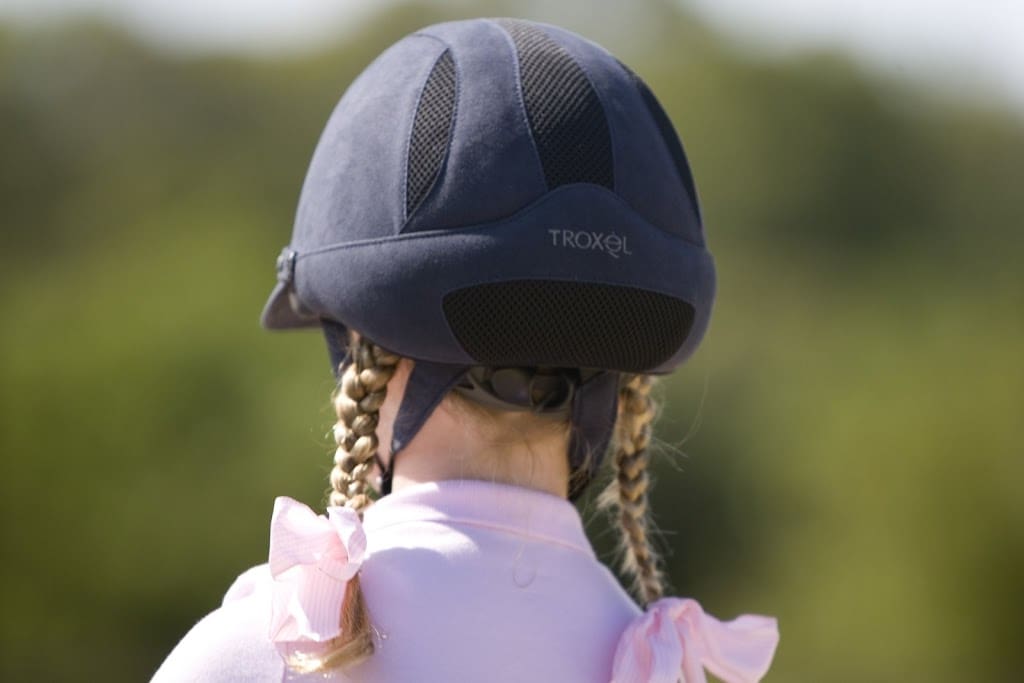
A fixed brim is constructed from rigid materials, such as reinforced plastic or composite. This type of brim maintains its shape at all times and is permanently attached to the helmet shell. Fixed brims are commonly found on traditional show helmets and many eventing or dressage models.
- Consistent shape: The brim does not bend or flex, providing a uniform appearance.
- Classic look: Preferred in disciplines where a traditional aesthetic is valued.
- Sturdy construction: Offers reliable sun protection and structure.
What Is a Flexible Brim?
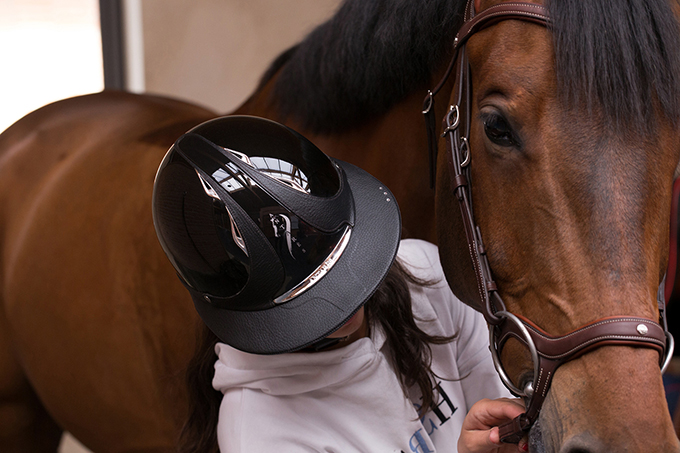
Flexible brims are made from pliable materials such as rubber, soft polymers, or layered composites. These brims bend under pressure and return to their original shape, making them popular for riders who value versatility and extra safety features.
- Impact absorption: The brim can flex on impact, reducing the risk of injury to the face or neck.
- Adaptability: Useful for disciplines where falls are more common, such as trail riding or cross-country.
- Modern appearance: Often found on contemporary helmet designs.
Key Differences Between Fixed and Flexible Brims
While both brim types serve the same basic function, there are several important distinctions that can influence a rider’s choice. Here’s a closer look at the difference between fixed and flexible brims in terms of safety, comfort, and practicality.
| Feature | Fixed Brim | Flexible Brim |
|---|---|---|
| Material | Rigid plastic or composite | Pliable rubber or polymer |
| Impact Response | Stays rigid, may transfer force | Bends to absorb impact |
| Sun Protection | Consistent, wide coverage | Varies, may flex in wind |
| Style | Traditional, formal | Modern, sporty |
| Best For | Show, dressage, eventing | Trail, schooling, jumping |
Advantages of Fixed Brims
Many riders prefer fixed brims for their classic appearance and reliable structure. Here are some key benefits:
- Stable sun protection: The brim’s shape doesn’t change, ensuring consistent shade for the rider’s eyes and face.
- Preferred in competition: Fixed brims are often required or favored in show rings and formal events.
- Durable construction: Less likely to warp or lose shape over time.
However, fixed brims may pose a risk in certain falls, as the rigid edge can catch or transfer force to the rider’s neck or face. For those concerned about neck comfort, consider reading about how to evaluate helmet weight for neck comfort as well.
Benefits of Flexible Brims
Flexible brims have gained popularity for their added safety and adaptability. Here’s why some riders choose them:
- Reduced injury risk: The brim flexes on impact, lowering the chance of facial or neck injuries during a fall.
- Versatility: Suitable for a wide range of riding activities, from schooling to trail riding.
- Comfort in motion: Less likely to obstruct movement or vision if bumped or pressed.
Flexible brims may not always provide the same level of sun protection as fixed brims, especially in windy conditions, but their safety advantages are significant for riders who prioritize protection in unpredictable environments.
How to Decide Which Brim Is Right for You
Choosing between a fixed and a flexible brim depends on your riding discipline, personal preferences, and safety priorities. Here are a few considerations to help you decide:
- Discipline: If you compete in formal events, a fixed brim may be required. For trail or recreational riding, a flexible brim could offer more comfort and safety.
- Safety concerns: Riders who are more likely to fall, such as beginners or those riding unpredictable horses, may benefit from the impact-absorbing properties of a flexible brim.
- Climate and environment: For sunny, open areas, a fixed brim offers reliable shade. In wooded or variable terrain, a flexible brim’s adaptability may be more practical.
For more guidance on helmet selection, you can read about choosing a helmet for trail riding or consult a professional fitter. Additionally, this guide on helmet sizing and fit considerations provides helpful tips for ensuring your helmet is both safe and comfortable.
Frequently Asked Questions
Are flexible brims as safe as fixed brims?
Flexible brims are designed to bend on impact, which can reduce the risk of facial or neck injuries. While both brim types meet safety standards when properly certified, flexible brims may offer added protection in specific fall scenarios.
Do fixed brims provide better sun protection?
Fixed brims generally offer more consistent and reliable sun protection because they maintain their shape regardless of movement or wind. However, the actual coverage depends on the brim’s width and design.
Can you replace or adjust the brim on a riding helmet?
Most riding helmets have brims that are integrated into the shell and are not designed to be replaced or adjusted. Some modern helmets offer interchangeable visors or brims, but always check the manufacturer’s guidelines to ensure safety and compliance with competition rules.
Which brim type is better for trail riding?
Many trail riders prefer flexible brims for their adaptability and reduced risk of injury during unexpected falls. However, some riders still choose fixed brims for their sun protection and traditional look. The best choice depends on your riding environment and personal comfort.