

When it comes to selecting a top-tier dressage partner, riders often find themselves weighing the merits of Friesian horses and Warmbloods. Both breeds have earned their place in the dressage arena, yet they offer distinct characteristics, temperaments, and performance profiles. Understanding these differences is crucial for anyone aiming to make an informed decision about their next equine athlete.
In this guide, we’ll explore the unique qualities of Friesians and Warmbloods, comparing their suitability for dressage, care requirements, and what to expect as an owner. Whether you’re a seasoned competitor or an ambitious amateur, knowing the strengths and challenges of each breed will help you find the ideal partner for your dressage journey.
For those interested in a deeper dive into Friesian breed history, conformation, and temperament, the complete guide to Friesian horses offers comprehensive insights.
Comparing Friesian and Warmblood Horses in Dressage
The debate between Friesian horse vs Warmblood for dressage is rooted in their differing origins and athletic abilities. While both breeds can excel, their movement, trainability, and overall style set them apart in the arena.
Origins and Breed Development
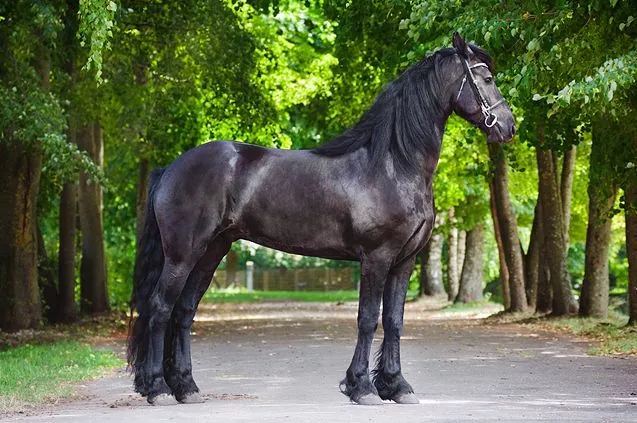
Friesians hail from the Netherlands and are one of the oldest domesticated horse breeds in Europe. Known for their striking black coats, flowing manes, and feathered legs, Friesians were originally bred for both war and agriculture. Over time, their elegant movement and presence made them popular in classical dressage and driving.
Warmbloods, on the other hand, are a group of sport horse breeds developed across Europe, including the Dutch Warmblood, Hanoverian, and Oldenburg. Selective breeding focused on athleticism, temperament, and versatility, making Warmbloods the dominant force in modern dressage competitions.
Movement and Athleticism
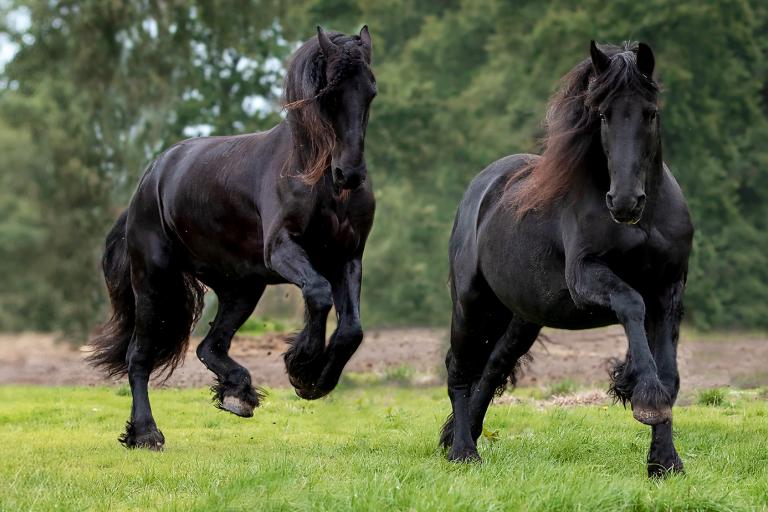
Friesians are celebrated for their high-stepping, expressive gaits and natural ability to collect. Their trot, in particular, is eye-catching and lends itself well to classical dressage. However, Friesians often lack the natural extension and elasticity that judges look for at the highest levels of competition.
Warmbloods are bred specifically for sport, resulting in powerful, elastic movement with excellent suspension and reach. Their canter and extended trot are especially well-suited to advanced dressage tests, giving them a competitive edge at international events.
Temperament and Trainability
Temperament is a key factor when choosing a dressage partner. Friesians are known for their gentle, willing nature and strong desire to please. They tend to form close bonds with their handlers and are generally straightforward to train, making them a favorite among amateur riders and those new to dressage.
Warmbloods, while also possessing good temperaments, are often bred for a higher level of sensitivity and responsiveness. This can make them more challenging for inexperienced riders but highly rewarding for those seeking a horse capable of advanced movements and subtle aids.
For tips on understanding your horse’s body language and improving communication, explore our resource on equine behavior and communication.
Suitability for Different Levels of Dressage
Both Friesians and Warmbloods can shine in the dressage ring, but their strengths often align with different levels of competition.
- Friesians excel in lower to mid-level dressage, where their natural collection and expressive movement are rewarded. They are also popular in exhibitions and classical dressage performances.
- Warmbloods dominate upper-level dressage, including Grand Prix, due to their athleticism, scope, and ability to perform complex movements such as piaffe, passage, and extended gaits.
It’s important to match the horse’s abilities and temperament with your own goals and experience level. Friesians may be the perfect choice for those seeking a reliable, eye-catching partner for amateur competition or classical riding, while Warmbloods are often the mount of choice for riders with ambitions for the highest levels of the sport.
Care and Maintenance: What Owners Should Know
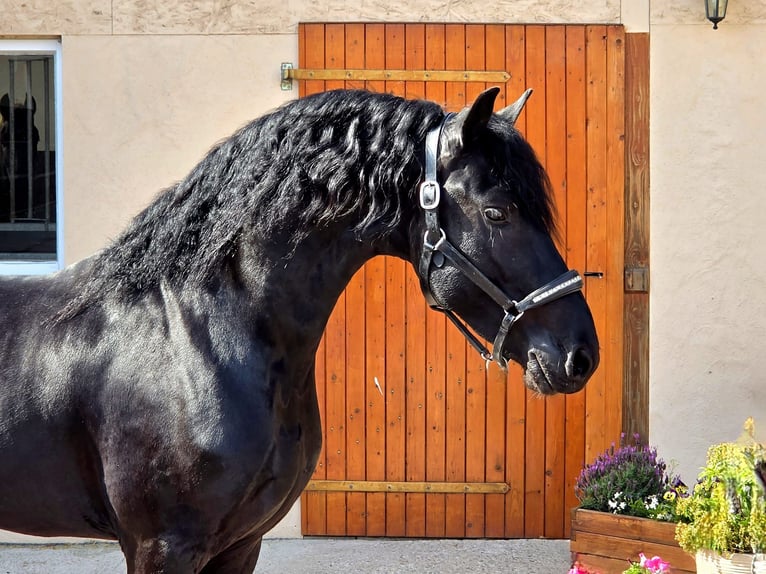
Caring for Friesians and Warmbloods requires attention to their unique needs. Friesians are known for their luxurious manes and feathered legs, which demand regular grooming to prevent tangles and skin issues. Their thick coats can also make them prone to overheating in hot climates.
Warmbloods generally have easier coats to manage, but their larger size and athletic build mean they require careful attention to diet, fitness, and hoof care. Both breeds benefit from a consistent exercise routine and regular veterinary checkups.
For detailed advice on maintaining your horse’s health and welfare, see our article on horse welfare best practices.
Friesians may be prone to certain genetic conditions, such as dwarfism and hydrocephalus, so it’s wise to work with reputable breeders and stay informed about health screenings. Warmbloods, due to their sport breeding, can be susceptible to joint issues if not managed properly.
For more on Friesian-specific care, the Friesian care guide from Regal Legacy Farms provides practical tips on grooming, feeding, and maintaining optimal health.
Cost and Availability
Both Friesians and Warmbloods are premium breeds, but there are differences in cost and availability. Friesians are less common, especially outside Europe, and their striking appearance often commands a higher price. Warmbloods are widely available due to their popularity in sport horse breeding programs, with prices varying based on pedigree, training, and competition record.
Prospective owners should budget not only for the initial purchase but also for ongoing expenses such as training, veterinary care, and specialized equipment. Investing in quality grooming products, like the ones featured above, can help maintain your horse’s coat and overall well-being.
Making the Right Choice for Your Dressage Goals
When considering Friesian horse vs Warmblood for dressage, the decision ultimately comes down to your personal goals, experience, and preferences. Friesians offer a combination of beauty, temperament, and classical movement, making them ideal for riders who value tradition and partnership. Warmbloods bring athleticism, versatility, and proven success at the highest levels, appealing to those with competitive ambitions.
Take time to assess your riding style, ambitions, and the level of commitment you can offer. Visiting breeders, watching horses in competition, and consulting with trainers can provide valuable perspective. Remember, the best dressage mount is one that matches your aspirations and brings joy to your riding experience.
If you’re interested in how these breeds have captured the public’s imagination, our feature on the Friesian horse in movies and media highlights their enduring appeal.
Frequently Asked Questions
Are Friesians or Warmbloods Easier to Train for Dressage?
Friesians are generally considered more straightforward to train, especially for amateur riders, due to their calm and willing nature. Warmbloods, while highly trainable, may require more experienced handling to reach their full potential in advanced dressage.
Which Breed Is More Suitable for Beginners?
Friesians are often recommended for beginners or those new to dressage because of their gentle temperament and forgiving attitude. Warmbloods, with their sensitivity and athleticism, are better suited to riders with some experience or those working closely with a trainer.
What Are the Main Health Concerns for Friesians and Warmbloods?
Friesians can be prone to genetic conditions like dwarfism and skin issues related to their feathering. Warmbloods may face joint problems or sport-related injuries if not managed carefully. Regular veterinary care, proper nutrition, and attentive management are essential for both breeds.
Can Friesians Compete at the Highest Levels of Dressage?
While Friesians can perform well up to mid-level dressage, their movement and conformation may limit their competitiveness at the Grand Prix level, where Warmbloods typically excel. However, Friesians remain popular for exhibitions and classical dressage performances.
How Do I Decide Which Breed Is Right for Me?
Consider your riding goals, experience, and the level of care you can provide. If you value tradition and a strong partnership, a Friesian may be ideal. If you aspire to compete at the highest levels, a Warmblood might be the better choice. Consulting with trainers and observing both breeds in action can help inform your decision.