

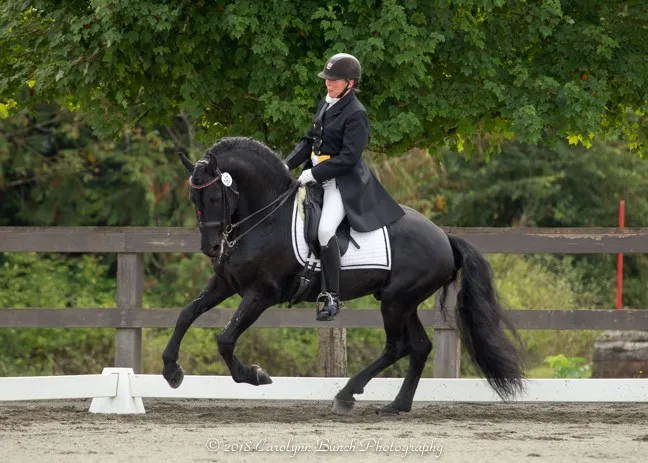
The Friesian is one of the most visually striking horse breeds in the world. Known for its elegant stature, luxurious mane and tail, and distinctive black coat, this breed has captivated horse enthusiasts for centuries. Whether you are a new admirer or a seasoned equestrian, understanding the unique features that define the Friesian is essential for anyone interested in these majestic animals. This Friesian horse appearance guide will break down the breed’s most notable physical traits, helping you recognize and appreciate what sets the Friesian apart from other horses.
For those looking to deepen their knowledge about Friesians, you may also find value in the complete guide to Friesian horses, which covers history, temperament, and care in detail.
Signature Features of the Friesian Breed
Friesians are immediately recognizable due to their combination of size, color, and flowing hair. Let’s explore the key elements that make up the classic Friesian look:
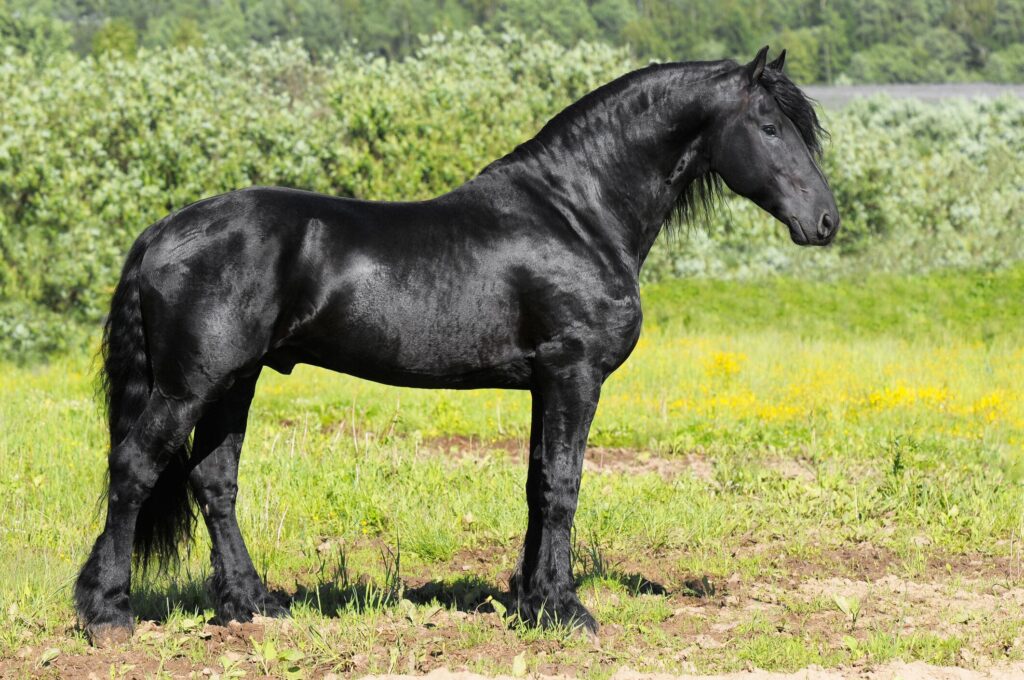
- Color: Friesians are almost always black, with only a small star-shaped marking on the forehead permitted for purebreds. Their coats are dense and glossy, contributing to their dramatic presence.
- Build: This breed is known for its strong, compact, and muscular body. Friesians stand between 15.2 and 17 hands high (about 62 to 68 inches at the withers), giving them a powerful yet graceful appearance.
- Mane, Tail, and Feathering: One of the most admired traits is the long, thick mane and tail, often left untrimmed to enhance their natural beauty. The lower legs feature “feathering”—long, silky hair that flows over the hooves.
- Head and Neck: Friesians have a noble head with expressive eyes, small alert ears, and a slightly convex profile. Their necks are arched and muscular, adding to their regal bearing.
These characteristics are not just for show; they have been refined over generations to create a horse that is both functional and beautiful. For more on how to build a strong bond with your horse, see our advice on how to become a better horse owner.
Coat, Color, and Grooming Essentials
The Friesian’s coat is one of its most defining features. The breed standard requires a solid black color, and any deviation can disqualify a horse from registration. The coat is naturally thick and can become even denser in winter, offering protection against harsh climates.
Maintaining the signature shine and health of a Friesian’s coat requires regular grooming. Daily brushing helps remove dirt and debris, while specialized shampoos and conditioners keep the hair soft and manageable. The mane and tail, in particular, benefit from detangling products and gentle handling to prevent breakage.
Regular grooming not only keeps the horse looking its best but also provides an opportunity to check for skin issues, injuries, or parasites. For those interested in best practices for equine care, our article on horse welfare best practices offers valuable insights.
Understanding the Friesian’s Build and Movement
Beyond their striking looks, Friesians are admired for their athletic build and expressive movement. Their bodies are compact yet powerful, with a short back, well-sprung ribs, and a deep chest. This conformation supports both strength and agility, making Friesians suitable for a variety of disciplines, from dressage to driving.
Their legs are straight and sturdy, with well-defined joints and strong hooves. The feathering on the lower legs is not just decorative; it also offers some protection from mud and debris. The breed’s movement is characterized by high, animated knee action and a proud, upright carriage. These traits are especially valued in the show ring and in traditional carriage driving.
For those curious about the breed’s unique personality and behavior, you might enjoy reading about equine behavior and communication to better understand how Friesians interact with people and other horses.
Head, Eyes, and Expression
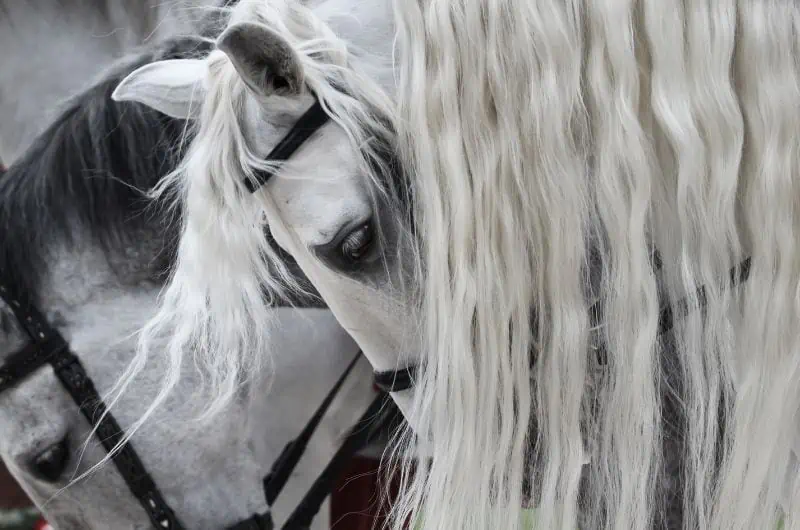
The head of a Friesian is another hallmark of the breed. It is relatively long, with a straight or slightly convex profile. The eyes are large, dark, and expressive, giving the horse an intelligent and gentle look. Small, alert ears are set high and often curve slightly inward at the tips, adding to the breed’s attentive appearance.
The overall expression of a Friesian is one of alertness, curiosity, and calm confidence. This unique combination of physical and behavioral traits has made Friesians popular not only in riding and driving but also in film and television, where their dramatic looks are highly sought after.
Feathering and Hair: Care and Challenges
One of the most distinctive features of Friesians is the abundance of hair on their lower legs, known as feathering. This long, silky hair requires regular attention to prevent matting and skin problems. Owners should wash and dry the feathers thoroughly, especially in wet or muddy conditions, to avoid issues like scratches or fungal infections.
The mane and tail also demand consistent care. Regular detangling and conditioning help maintain their length and luster. Some owners choose to braid the mane and tail to keep them tidy and reduce breakage, especially before competitions or long rides.
For more trivia and lesser-known facts about this breed, check out our article on interesting facts about Friesian horses.
Comparing Friesians to Other Breeds
While many horse breeds share some physical traits with Friesians, few can match their combination of size, color, and hair. Breeds like the Andalusian or the Shire may have similar builds or feathering, but the Friesian’s all-black coat and signature mane and tail set it apart. Their movement is also more animated than most draft breeds, making them stand out in both work and show environments.
If you’re interested in learning more about how Friesians compare to other breeds, the Friesian breed profile on PetMD offers a comprehensive overview.
Frequently Asked Questions
What makes the Friesian’s coat so unique?
The Friesian’s coat is prized for its deep black color, thickness, and natural shine. The breed standard allows only minimal white markings, making the solid black coat a defining trait. Regular grooming and proper nutrition help maintain the coat’s health and luster.
How do you care for the long mane and tail?
To keep the mane and tail healthy, use gentle detangling brushes and conditioners. Avoid harsh pulling, and consider braiding the hair for protection during turnout or transport. Consistent grooming prevents tangles and breakage, preserving the breed’s iconic look.
Are Friesians suitable for beginners?
Friesians are known for their gentle temperament and willingness to work, making them suitable for riders of various experience levels. However, their size and strength require confident handling, and their grooming needs may be more demanding than other breeds. Beginners should seek guidance from experienced owners or trainers.