

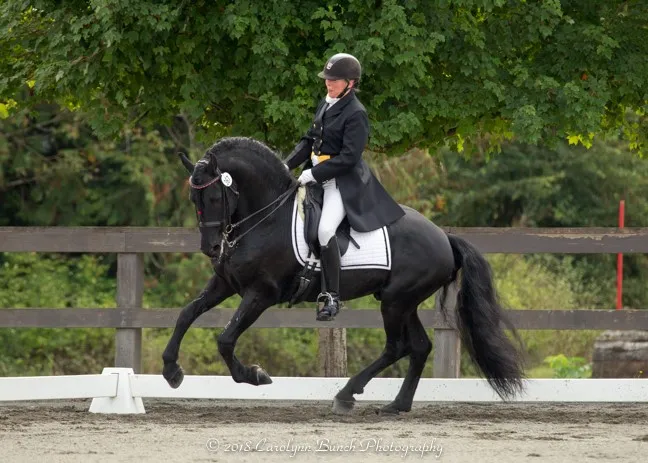
The Friesian breed is admired for its striking appearance, gentle temperament, and athleticism. Whether you own a Friesian for dressage, pleasure riding, or as a companion, keeping your horse healthy is a top priority. One of the most effective ways to protect your Friesian from preventable diseases is by following a comprehensive vaccination plan. This Friesian horse vaccination guide covers the essential shots, recommended schedules, and practical tips to help you make informed decisions about your horse’s well-being.
Vaccines play a crucial role in equine health by preventing the spread of contagious diseases and minimizing the risk of severe illness. While the core vaccination recommendations apply to all horses, Friesians may have unique considerations due to their genetics and management. Understanding which vaccines are essential and how to tailor a program for your Friesian can help you safeguard your horse for years to come.
If you’re new to Friesian care or looking to refine your approach, it’s helpful to stay informed about related aspects of horse management. For example, ensuring your own safety with the right riding gear is just as important as your horse’s health. Learn more about how to find the right riding helmet for your head shape to complement your horse care routine.
Why Vaccination Matters for Friesians
Friesians, like all horses, are susceptible to a range of infectious diseases. Their social nature, participation in events, and exposure to other horses increase the risk of encountering pathogens. Vaccination is a proactive measure that not only protects your individual horse but also contributes to herd immunity, reducing outbreaks in the broader equine community.
Some diseases, such as tetanus and rabies, are life-threatening and have no cure, making prevention through vaccination essential. Others, like equine influenza and herpesvirus, can spread rapidly at shows or boarding facilities. By following a structured vaccine protocol, Friesian owners can reduce veterinary emergencies, minimize downtime, and support long-term health.
Core Vaccines Every Friesian Needs
The American Association of Equine Practitioners (AAEP) defines core vaccines as those recommended for all horses, regardless of age, location, or use. These vaccines protect against diseases that are widespread, have severe consequences, or pose a risk to humans. For Friesians, the following core vaccines are considered essential:
- Tetanus: Protects against a deadly neurotoxin produced by Clostridium tetani bacteria, often found in soil and manure.
- Eastern/Western Equine Encephalomyelitis (EEE/WEE): Mosquito-borne viruses that cause severe neurological disease.
- West Nile Virus: Another mosquito-borne virus leading to neurological symptoms and possible death.
- Rabies: Fatal viral disease transmissible to humans; vaccination is critical for both horse and human safety.
These core vaccines are typically administered annually, though some may require more frequent boosters in high-risk areas. Consult your veterinarian to determine the best schedule for your region and management style.
Recommended Non-Core Vaccines for Friesians
Non-core vaccines are recommended based on a horse’s risk factors, such as geographic location, travel frequency, and exposure to other horses. For Friesians who attend shows, clinics, or live in certain climates, the following non-core vaccines may be advised:
- Equine Influenza: Highly contagious respiratory virus common at events and in boarding stables.
- Equine Herpesvirus (Rhinopneumonitis): Causes respiratory disease, abortion in pregnant mares, and neurological issues.
- Strangles: Bacterial infection causing abscesses and respiratory distress; vaccination may be recommended in outbreak-prone areas.
- Potomac Horse Fever: Regional disease associated with freshwater habitats, leading to fever and diarrhea.
- Botulism: Particularly relevant in areas where horses are fed silage or round bales.
Discuss your Friesian’s lifestyle and environment with your veterinarian to tailor a vaccination plan that addresses these additional risks.
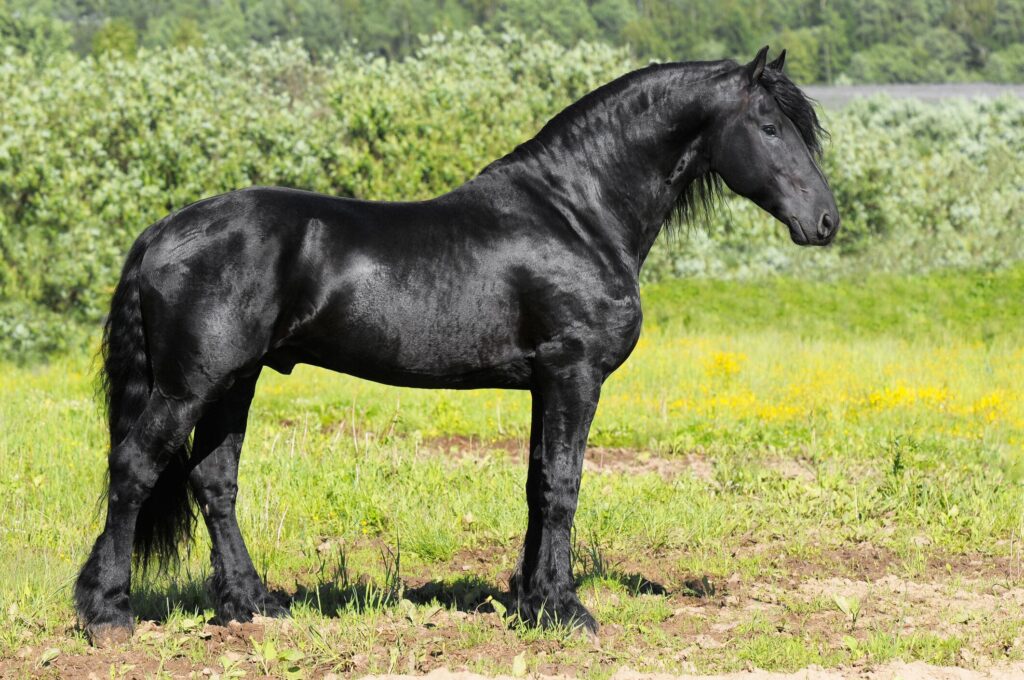
Vaccination Schedule for Friesian Horses
A consistent vaccination schedule is vital for maintaining immunity. While the exact timing may vary based on your location and veterinarian’s advice, the following is a general guideline for Friesian horses:
| Vaccine | Initial Series | Booster Frequency |
|---|---|---|
| Tetanus | 2 doses, 4-6 weeks apart (foals); 1 dose for adults if previously vaccinated | Annually |
| EEE/WEE | 2 doses, 4-6 weeks apart | Annually (spring) |
| West Nile Virus | 2 doses, 3-6 weeks apart | Annually (spring) |
| Rabies | Single dose (foals at 6 months) | Annually |
| Influenza | 2-3 doses, 4-6 weeks apart | Every 6-12 months |
| Herpesvirus | 2-3 doses, 4-6 weeks apart | Every 6-12 months |
Always consult your veterinarian for the most current recommendations and to adjust the schedule based on your Friesian’s age, health status, and exposure risk.
Special Considerations for Friesian Horses
While Friesians generally tolerate vaccines well, some individuals may be more sensitive to injections or adjuvants. Monitor your horse for mild reactions such as swelling or soreness at the injection site, and report any severe symptoms—like fever, hives, or difficulty breathing—to your veterinarian immediately.
If your Friesian has a history of vaccine reactions, your vet may recommend pre-treatment with anti-inflammatories or splitting doses over multiple visits. Good record-keeping is essential: maintain a log of all vaccines given, including the date, product, and any observed side effects.
For more information on Friesian breed characteristics and care, explore this comprehensive Friesian horse breed overview.
Tips for a Successful Vaccination Program
- Work with your veterinarian: Tailor the vaccine protocol to your Friesian’s needs and local disease risks.
- Keep accurate records: Track all vaccinations, including product, lot number, and administration date.
- Monitor for reactions: Observe your horse after vaccination and notify your vet of any concerns.
- Plan ahead: Schedule vaccines before travel, shows, or changes in boarding to ensure full immunity.
- Educate yourself: Stay updated on equine health trends and disease outbreaks in your area.
Vaccination is just one part of a holistic approach to Friesian care. Regular grooming, proper nutrition, and safe riding practices all contribute to your horse’s overall health and happiness.
Frequently Asked Questions
How often should Friesian horses be vaccinated?
Most core vaccines are given annually, while some non-core vaccines may require boosters every 6–12 months, especially for horses that travel or are exposed to large groups. Your veterinarian can help you establish the right schedule for your Friesian.
Are there any unique vaccine concerns for Friesians?
Friesians may be more sensitive to certain vaccine components, so it’s important to monitor for reactions and work closely with your vet. Keeping detailed records of any side effects can help guide future vaccination decisions.
Can I give my Friesian horse vaccines myself?
While some experienced owners administer vaccines, it’s best to have a veterinarian handle vaccinations to ensure proper technique, record-keeping, and immediate care if a reaction occurs.
Conclusion
A thoughtful vaccination plan is a cornerstone of responsible Friesian horse ownership. By understanding which vaccines are essential, following a consistent schedule, and working with your veterinarian, you can help your Friesian stay healthy and protected from preventable diseases. Combine this approach with regular grooming, safe riding practices, and ongoing education to give your horse the best possible care.