

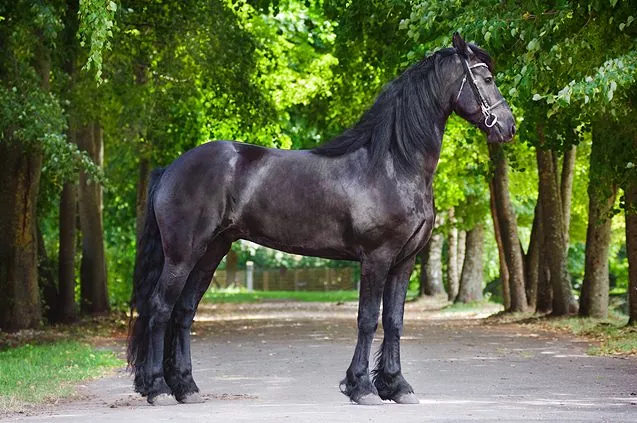
Proper Friesian horse stable management is essential for maintaining the health, comfort, and performance of these majestic horses. Friesians are known for their striking appearance and gentle temperament, but they also have unique needs when it comes to their living environment. Setting up a stable that caters specifically to Friesians helps prevent health issues, supports their well-being, and makes daily care more efficient for owners and caretakers.
Whether you’re a new Friesian owner or looking to upgrade your current facilities, understanding the best practices for housing, ventilation, bedding, and daily routines is crucial. This guide covers the essentials of creating a safe and comfortable home for Friesian horses, drawing on expert recommendations and real-world experience.
For those interested in learning more about the breed’s background or considering adoption, you can find helpful Friesian horse adoption information to guide your next steps.
Key Features of a Friesian-Friendly Stable
Designing a stable for Friesians involves more than just shelter. Their size, coat, and temperament require thoughtful planning. Here are the main elements to consider for optimal housing:
- Spacious Stalls: Friesians are large horses, often standing 15.3 to 17 hands high. Stalls should be at least 12×14 feet to allow them to move comfortably and lie down safely.
- Good Ventilation: Proper airflow is vital for respiratory health. Windows, vents, and open stall fronts help reduce dust and ammonia buildup.
- Safe Flooring: Non-slip, cushioned flooring such as rubber mats over compacted gravel provides comfort and reduces the risk of injury.
- Natural Lighting: Ample daylight supports Friesians’ health and helps regulate their natural rhythms. Skylights and large windows are beneficial.
- Secure Doors and Latches: Friesians are intelligent and curious. Use sturdy doors and safe latches to prevent escapes or injuries.
Stable Location and Layout Considerations
Choosing the right location for your stable is the foundation of effective Friesian horse care. The site should be elevated to prevent flooding and have good drainage. Position the stable so that prevailing winds assist with ventilation but avoid direct drafts on the horses. Grouping stalls around a central aisle makes daily chores more efficient and allows for easy monitoring.
Access to turnout areas is also important. Friesians benefit from regular time outdoors, so plan for safe, well-fenced paddocks adjacent to the stable. This setup minimizes stress and supports their physical and mental well-being.
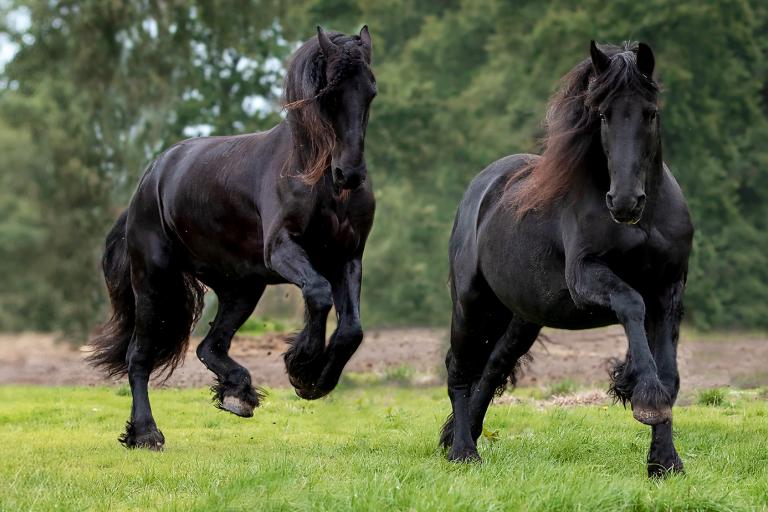
Essential Daily Routines for Friesian Horse Stable Management
Consistent routines are a cornerstone of Friesian horse stable management. Friesians thrive on predictability and attentive care. Here are the most important daily tasks:
- Stall Cleaning: Remove manure and wet bedding at least twice daily. This reduces ammonia, prevents hoof problems, and keeps the stable fresh.
- Fresh Bedding: Use dust-free straw or shavings. Friesians have sensitive skin and respiratory systems, so avoid bedding that creates excess dust.
- Feeding and Watering: Provide clean water and high-quality forage. Monitor feed for mold or dust, as Friesians can be prone to allergies and digestive issues.
- Grooming: Regular grooming helps maintain their long, thick manes and tails. It also allows you to check for injuries or skin conditions.
- Turnout: Daily turnout is crucial for exercise and mental stimulation. Ensure paddocks are safe and free of hazards.
For more information on Friesian care routines and health, consult resources like this detailed Friesian care guide.
Bedding, Flooring, and Cleanliness
Friesians are prone to skin conditions such as scratches and mud fever, making clean, dry bedding a priority. Rubber mats topped with absorbent bedding provide comfort and help keep horses dry. Bedding should be changed frequently, and stalls disinfected regularly to prevent the buildup of bacteria and parasites.
Good drainage in both stalls and paddocks is essential. Standing water or damp bedding can quickly lead to hoof and skin problems. Consider installing French drains or sloped flooring to direct moisture away from living areas.
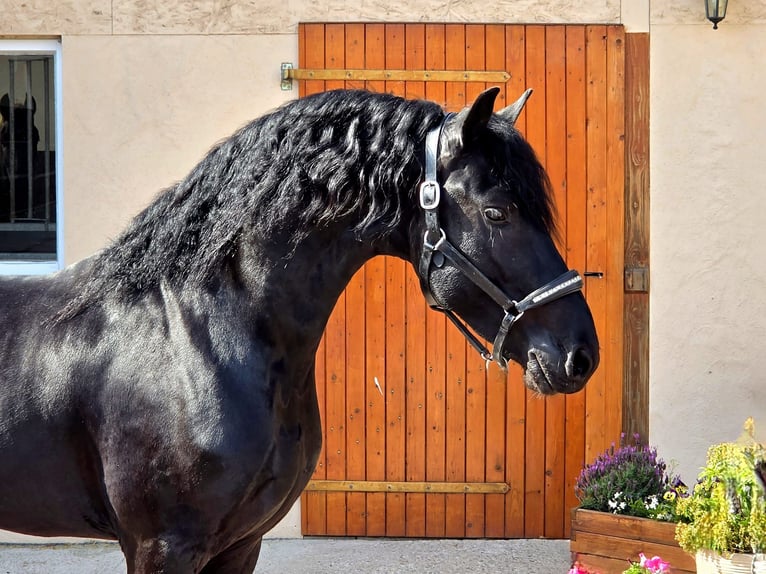
Ventilation and Air Quality in Friesian Barns
Maintaining excellent air quality is a critical part of Friesian horse stable management. Poor ventilation can lead to respiratory issues, which Friesians are particularly susceptible to. Incorporate features such as ridge vents, open eaves, and windows that can be adjusted for seasonal changes. Avoid overcrowding, as this increases humidity and airborne contaminants.
Regularly remove cobwebs and dust from rafters and ledges. Use fans in summer to keep air moving, but ensure they are safely installed and out of reach of curious horses. Monitor ammonia levels, especially in winter when barns are closed up, and adjust cleaning routines as needed.
Special Considerations for Friesian Horses
Friesians have long, thick manes and tails that require extra grooming and care. Their feathered legs are prone to collecting moisture and debris, so regular inspection and cleaning are necessary. Use gentle grooming products and avoid harsh chemicals that can irritate their sensitive skin.
Because Friesians can be prone to metabolic issues, monitor their diet closely and avoid overfeeding concentrates. Provide plenty of turnout and exercise to maintain a healthy weight and prevent boredom-related behaviors.
For those interested in learning about helmet safety and standards for riding, you may also want to explore topics like impact of age on helmet protective foam and how to find the right riding helmet for your head shape.
Frequently Asked Questions
What size stall is best for a Friesian horse?
Due to their large size, Friesians are most comfortable in stalls measuring at least 12×14 feet. This allows them to move freely, lie down, and get up without risk of injury.
How often should Friesian horse stalls be cleaned?
Stalls should be cleaned at least twice daily. Prompt removal of manure and wet bedding helps prevent hoof and skin issues and maintains good air quality.
What type of bedding is recommended for Friesians?
Dust-free straw or wood shavings are ideal. Friesians have sensitive skin and respiratory systems, so it’s important to avoid dusty or moldy bedding. Rubber mats under bedding add comfort and help keep stalls dry.
Conclusion
Setting up a stable for Friesians requires attention to detail and a commitment to their unique needs. By providing spacious stalls, excellent ventilation, safe flooring, and consistent routines, you create an environment where Friesians can thrive. Thoughtful Friesian horse stable management not only supports their health and happiness but also makes daily care more enjoyable and efficient for owners and caretakers.