

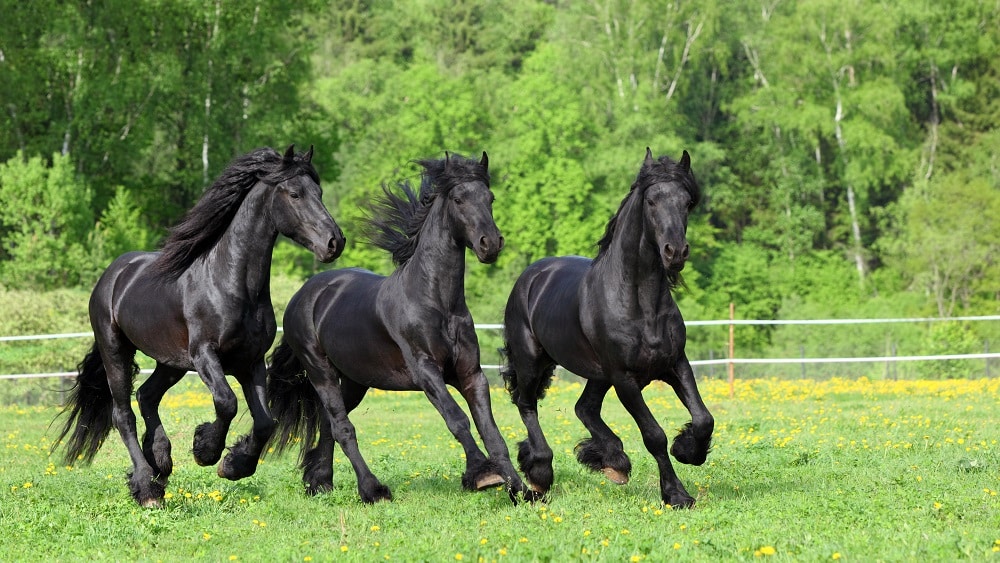
Friesian horses are renowned for their striking appearance, gentle temperament, and versatility in both dressage and leisure riding. Learning the Friesian horse riding basics is essential for anyone looking to enjoy a safe and rewarding partnership with these magnificent animals. Whether you are new to horseback riding or transitioning from another breed, understanding the unique characteristics of Friesians will help you mount, balance, and guide them with confidence.
This guide covers practical steps for getting started, from mounting techniques to maintaining balance and establishing effective control. For a deeper dive into the breed’s history, care, and temperament, you may want to explore the complete guide to Friesian horses as well.
Understanding Friesian Horse Traits for Riders
Before you get in the saddle, it’s important to recognize what makes Friesians unique. These horses are known for their strong build, high-set necks, and expressive movement. Their calm nature makes them suitable for riders of various skill levels, but their size and power require a thoughtful approach to handling and riding.
- Temperament: Friesians are generally gentle and eager to please, making them ideal for beginners and experienced riders alike.
- Movement: Their animated gaits can feel different from other breeds, so expect a bit of bounce, especially at the trot.
- Size: Friesians are tall and muscular, which can influence mounting and balance techniques.
Understanding these traits will help you adapt your approach and set realistic expectations as you learn the essentials of riding this breed.
Mounting a Friesian: Safe and Effective Techniques
Mounting a Friesian horse requires attention to safety and the horse’s comfort. Due to their height, using a mounting block is highly recommended. This not only protects your back and knees but also prevents unnecessary strain on your horse’s back.
- Prepare Your Horse: Ensure your Friesian is properly groomed and tacked up. Check that the girth is snug and the saddle is secure.
- Use a Mounting Block: Position the block on the horse’s left side. Stand close to the shoulder, facing the horse’s tail.
- Hold the Reins: Gather the reins and a bit of mane in your left hand to maintain gentle contact and control.
- Mount Smoothly: Place your left foot in the stirrup, push off with your right leg, and swing your right leg over the horse’s back. Settle gently into the saddle to avoid startling your horse.
Always reward your Friesian with a pat or kind word after mounting. This positive reinforcement builds trust and helps your horse associate mounting with a calm experience.
Maintaining Balance on a Friesian Horse
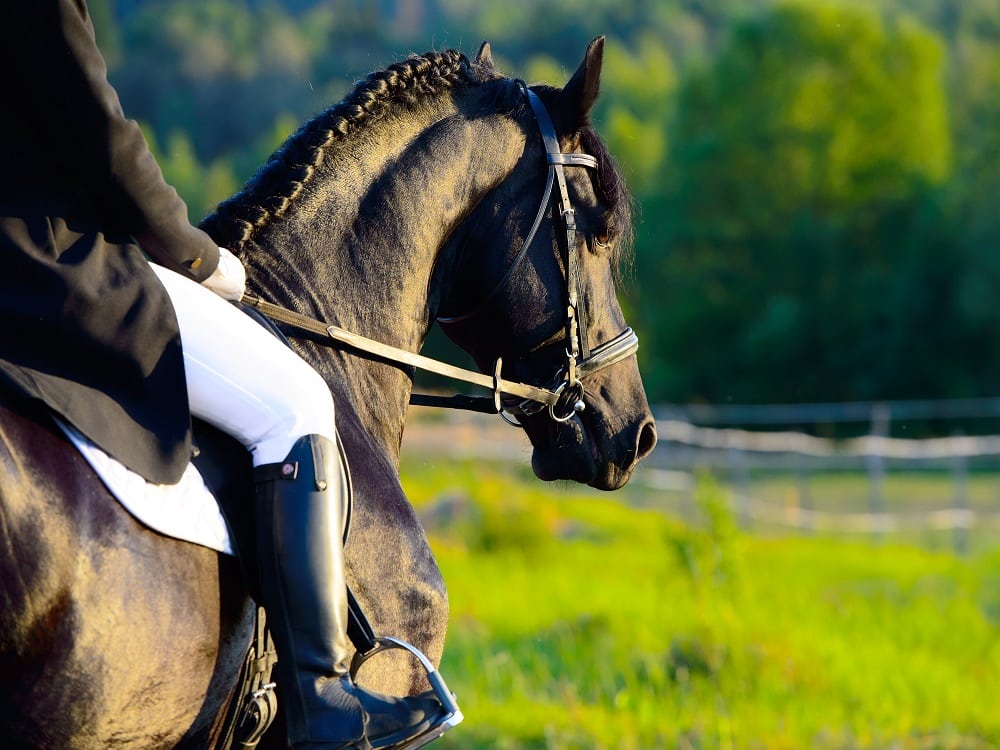
Once mounted, maintaining your balance is key to a comfortable and effective ride. Friesians have a broad back and high-stepping gaits, which can feel different from other breeds. Here are some tips for staying centered and secure:
- Align Your Body: Sit tall with your shoulders, hips, and heels in a straight line. This alignment helps you absorb movement and stay balanced.
- Relaxed Grip: Keep your legs gently wrapped around the horse’s barrel without gripping tightly. Let your weight sink into your heels.
- Follow the Motion: Move your hips with the horse’s stride, especially at the walk and trot. Friesians’ animated movement can be bouncy, so practice riding without stirrups to improve your seat.
- Look Ahead: Focus your gaze where you want to go. Looking down can disrupt your balance and send mixed signals to your horse.
Building a secure seat takes time and practice. Consider working with a qualified instructor who understands the nuances of Friesian movement to accelerate your progress.
Essential Control Techniques for Friesian Horses
Establishing clear communication and control is vital for a safe and enjoyable ride. Friesians are intelligent and responsive, but their strength means that subtle cues are more effective than force. Here’s how to guide your horse with confidence:
- Use Soft Hands: Maintain light, steady contact with the reins. Avoid pulling or jerking, which can confuse or frustrate your horse.
- Leg Aids: Use your legs to cue forward movement or lateral steps. Friesians respond well to gentle pressure rather than strong kicks.
- Voice Commands: Incorporate consistent verbal cues for transitions and encouragement. Friesians are known for their willingness to listen and learn.
- Practice Transitions: Work on smooth transitions between gaits to build responsiveness and trust. Reward your horse for prompt, calm reactions.
Patience and consistency are key. If you’re new to Friesians, spend time on groundwork and basic exercises to establish mutual understanding before advancing to more complex maneuvers.

Additional Tips for Friesian Horse Care and Riding Success
Proper grooming, nutrition, and understanding of equine behavior all contribute to a positive riding experience. Friesians have long, flowing manes and tails that require regular care. Using quality grooming tools and products helps maintain their signature look and keeps them comfortable under saddle.
For insights into nutrition tailored to this breed, check out this comprehensive guide to Friesian horse nutrition. Balanced feeding supports their energy needs and overall health, especially if you plan to ride frequently or participate in competitions.
Learning to read your horse’s body language is equally important. Understanding subtle cues can help you anticipate your Friesian’s reactions and adjust your approach. For more on this topic, see our article on equine behavior and communication.
Common Mistakes to Avoid When Riding Friesians
Even experienced riders can make errors when adapting to a new breed. Here are some pitfalls to watch out for:
- Mounting Too Quickly: Rushing the mounting process can unsettle your horse and lead to unsafe situations.
- Overusing the Reins: Heavy-handed rein use can cause resistance or discomfort. Focus on gentle, clear cues.
- Neglecting Warm-Up: Friesians benefit from a gradual warm-up to loosen their muscles and prepare for work.
- Ignoring Fitness: Both horse and rider need to be in good physical condition. Regular exercise and stretching help prevent injuries.
By avoiding these mistakes and focusing on clear communication, you’ll build a stronger partnership and enjoy your time in the saddle.
FAQ: Friesian Horse Riding and Care
Are Friesian horses suitable for beginners?
Yes, Friesians are known for their calm and friendly nature, making them a good choice for riders with limited experience. However, their size and movement can be challenging, so beginners should work with a knowledgeable instructor and focus on Friesian horse riding basics to build confidence.
How do I keep my Friesian’s mane and tail healthy?
Regular grooming is essential. Use a wide-tooth comb or brush to gently detangle the mane and tail, and consider using specialized shampoos and conditioners. After each ride, check for tangles or debris and address them promptly. Investing in quality grooming supplies can make this task easier and more effective.
What is the best way to improve my balance when riding?
Practice is key. Spend time riding without stirrups to develop a deeper seat, and work on core strength exercises off the horse. Riding lessons focused on position and movement can also accelerate your progress, especially when tailored to the unique gaits of Friesians.
Conclusion
Mastering the essentials of riding Friesians—mounting safely, maintaining balance, and using effective control techniques—sets the foundation for a rewarding partnership. By understanding the breed’s unique traits and focusing on clear, gentle communication, you’ll enjoy a safer and more enjoyable ride. For those considering ownership, it’s also helpful to review the horse ownership responsibilities involved in caring for these majestic animals. With patience, practice, and the right resources, your journey with Friesians can be both successful and fulfilling.