

Maintaining optimal Friesian horse dental care is essential for the overall health, comfort, and performance of these majestic horses. Like all equines, Friesians require attentive oral health routines from foalhood through adulthood. Their unique head shape and jaw conformation can present specific dental challenges, making regular checkups and preventive care especially important for this breed. Understanding teething, the process of floating, and ongoing oral maintenance helps ensure your Friesian remains healthy, happy, and able to perform at its best.
Whether you’re a new owner or an experienced equestrian, learning the essentials of dental care for Friesians is a key part of responsible horse stewardship. For a broader perspective on this remarkable breed, you may also find the complete guide to Friesian horses helpful as a foundational resource.
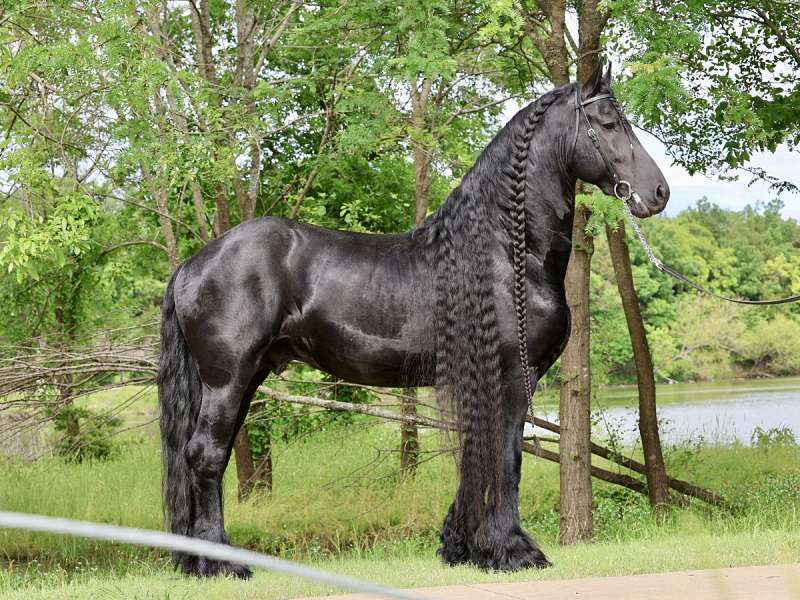
Understanding Teething in Friesian Foals
Teething is a natural but sometimes uncomfortable process for young Friesians. Foals are born with no visible teeth, but by the time they reach two weeks old, their first deciduous (baby) incisors begin to erupt. Over the next several months, additional incisors and premolars appear. By eight months, most Friesian foals have a full set of baby teeth, which will eventually be replaced by permanent adult teeth between ages 2.5 and 5 years.
During teething, you may notice your foal:
- Drooling more than usual
- Chewing on objects or stall fixtures
- Showing mild discomfort or irritability
- Occasionally dropping feed while eating
While teething is generally straightforward, retained caps (baby teeth that don’t shed properly) or misaligned teeth can cause problems. Monitoring your foal’s mouth and scheduling regular dental exams with an equine dentist or veterinarian helps prevent complications and supports healthy jaw development.
Routine Dental Exams and the Importance of Floating
As Friesians mature, their teeth continue to erupt throughout life, unlike human teeth. The constant grinding of fibrous forage naturally wears down the teeth, but uneven wear can lead to sharp enamel points, hooks, or other abnormalities. These issues can cause pain, difficulty chewing, and even behavioral changes.
Floating is the process of filing down sharp or uneven areas on a horse’s teeth using specialized dental tools. For Friesians, regular floating is especially important due to their head and jaw structure, which can make them prone to certain dental irregularities. Most adult horses benefit from a dental exam and floating at least once a year, though some may require more frequent attention depending on their age, diet, and individual needs.
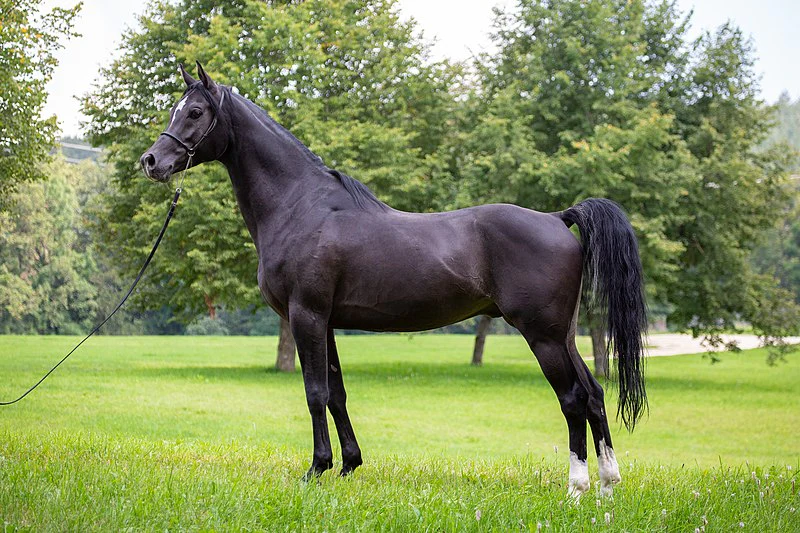
Key Signs of Dental Problems in Friesians
Recognizing early signs of dental issues is crucial for timely intervention. Friesians, like other breeds, may not always show obvious symptoms until problems become advanced. Watch for these indicators of oral discomfort or dysfunction:
- Difficulty chewing or dropping partially chewed feed (quidding)
- Weight loss or poor body condition despite adequate nutrition
- Excessive salivation or foul-smelling breath
- Head tossing, bit resistance, or reluctance to accept the bridle
- Swelling along the jawline or face
If you notice any of these signs, schedule a dental evaluation promptly. Early detection and treatment can prevent more serious complications and help your Friesian maintain optimal health and performance.
Best Practices for Friesian Oral Health Maintenance
Consistent oral care routines are the foundation of long-term dental health for Friesians. Here are some practical steps to support your horse’s mouth and teeth:
- Schedule annual dental exams: Have a qualified equine dentist or veterinarian check your Friesian’s teeth at least once a year, or more frequently if recommended.
- Monitor chewing and eating habits: Observe your horse during feeding for any changes in chewing, swallowing, or feed intake.
- Provide appropriate forage: High-quality hay and pasture encourage natural chewing and tooth wear, reducing the risk of sharp points.
- Keep up with floating: Regular floating prevents painful dental abnormalities and supports comfortable eating and bit acceptance.
- Watch for behavioral changes: Sudden resistance under saddle, head shaking, or irritability may signal dental discomfort.
For more tips on daily routines and responsibilities, see our article on horse ownership responsibilities.
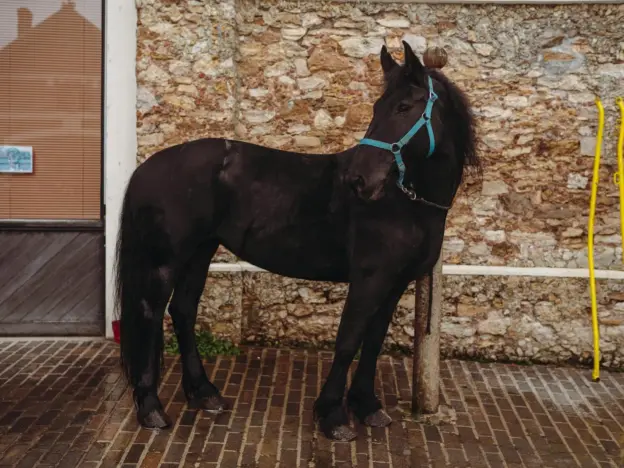
Breed-Specific Considerations for Friesian Dental Health
Friesians are renowned for their noble appearance and gentle temperament, but their head conformation can predispose them to certain dental issues. The breed’s relatively short head and broad jaw may contribute to crowded teeth or misalignment, increasing the risk of sharp points, hooks, and wave mouth. Regular dental care tailored to these anatomical features is essential.
Working with an equine dental professional familiar with Friesians can help identify subtle problems early. Some owners also choose to supplement their horse’s diet with feeds designed to support oral health, especially for older horses or those with missing teeth. For more insights into the breed’s history and characteristics, visit this comprehensive Friesian horse breed overview.
Integrating Dental Care Into Your Friesian’s Wellness Routine
Oral health is just one aspect of a holistic approach to Friesian care. Combining regular dental checkups with proper nutrition, grooming, and exercise ensures your horse thrives. Incorporating dental evaluations into your annual health plan, alongside vaccinations and hoof care, helps catch issues before they become serious.
Building a strong relationship with your veterinarian and equine dentist is key. They can advise on the ideal schedule for exams and floating, recommend products to support oral hygiene, and provide guidance tailored to your horse’s age and activity level. For more on developing a strong bond with your horse, explore our guide on how to become a better horse owner.
Frequently Asked Questions
How often should Friesian horses have their teeth checked?
Most Friesians benefit from a dental exam and floating at least once a year. Young horses, seniors, or those with known dental issues may require more frequent checkups. Your veterinarian or equine dentist can recommend the best schedule based on your horse’s individual needs.
What are the signs that my Friesian needs dental attention?
Common signs include dropping feed, difficulty chewing, weight loss, excessive salivation, bad breath, and behavioral changes such as head tossing or bit resistance. If you notice any of these, schedule a dental evaluation promptly.
Can dental problems affect my Friesian’s performance?
Yes, dental pain or uneven teeth can cause discomfort, reduce feed efficiency, and lead to resistance under saddle. Regular dental care supports comfort, health, and optimal performance in all disciplines.
Conclusion
Prioritizing Friesian horse dental care is a vital part of responsible ownership. By understanding teething, scheduling regular floating, and staying alert to signs of oral discomfort, you can help your Friesian enjoy a long, healthy, and active life. Integrate dental care into your overall wellness routine and consult experienced professionals to address the breed’s unique needs. For more tips on equine communication and daily routines, see our article on equine behavior and communication and explore equestrian lifestyle tips to enhance your partnership with your horse.