

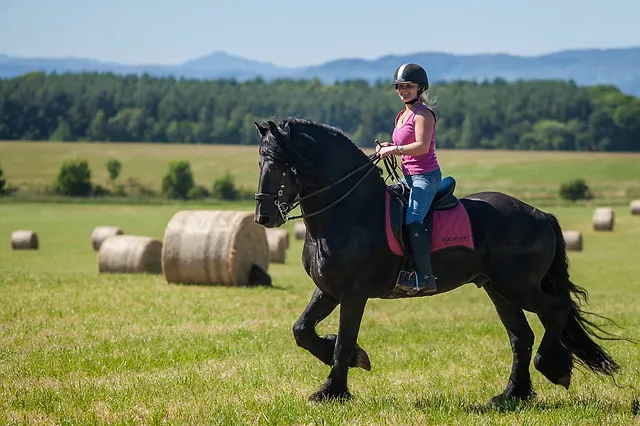
Owning a Friesian horse is a dream for many equestrians, thanks to their striking appearance, gentle temperament, and versatility. However, bringing one of these majestic animals into your life comes with a unique set of responsibilities and realities that every prospective owner should understand. This Friesian horse ownership guide will walk you through the essential considerations, from daily care and health management to the financial and emotional commitments involved.
Before diving into the details, it’s important to recognize that Friesians are not just beautiful—they require attentive care, specialized grooming, and a deep understanding of their needs. Whether you’re considering adoption, purchasing from a breeder, or learning more about this breed, being well-informed is the key to a rewarding partnership.
If you’re interested in learning more about the breed’s unique traits, you may enjoy these interesting facts about Friesian horses. Understanding their history and characteristics can help you provide the best care possible.
Understanding the Friesian Breed: Temperament and Needs
Friesians are renowned for their calm demeanor, intelligence, and willingness to work. These horses are often described as people-oriented, making them suitable for both experienced riders and those newer to horse ownership. However, their size and strength require confident handling and regular training.
Some key characteristics include:
- Gentle disposition but can be sensitive to inconsistent handling.
- High energy levels, especially in younger horses, requiring daily exercise.
- Distinctive black coat and long, flowing mane and tail, which demand dedicated grooming.
For more on how Friesians communicate and interact, explore equine behavior and communication to better interpret your horse’s body language and needs.
Daily Care and Maintenance for Friesian Horses
Proper daily care is fundamental to keeping your Friesian healthy and happy. This section of the Friesian horse ownership guide covers the essentials:
- Feeding: Friesians thrive on a balanced diet of quality hay, pasture, and grain as needed. They can be prone to weight gain, so monitor their intake and adjust as necessary.
- Water: Ensure constant access to clean, fresh water. Hydration is especially important for horses with heavy coats.
- Stabling: Provide a clean, dry stall with ample bedding. Friesians are susceptible to skin conditions if kept in damp environments.
- Turnout: Daily turnout is essential for exercise and mental well-being. Secure fencing is a must, as Friesians are curious and can be escape artists.
Routine care also includes regular hoof cleaning, checking for injuries, and monitoring for signs of illness. Friesians are generally hardy, but their thick manes and feathers can hide skin issues if not checked frequently.
Grooming and Presentation: Keeping Your Friesian Looking Its Best
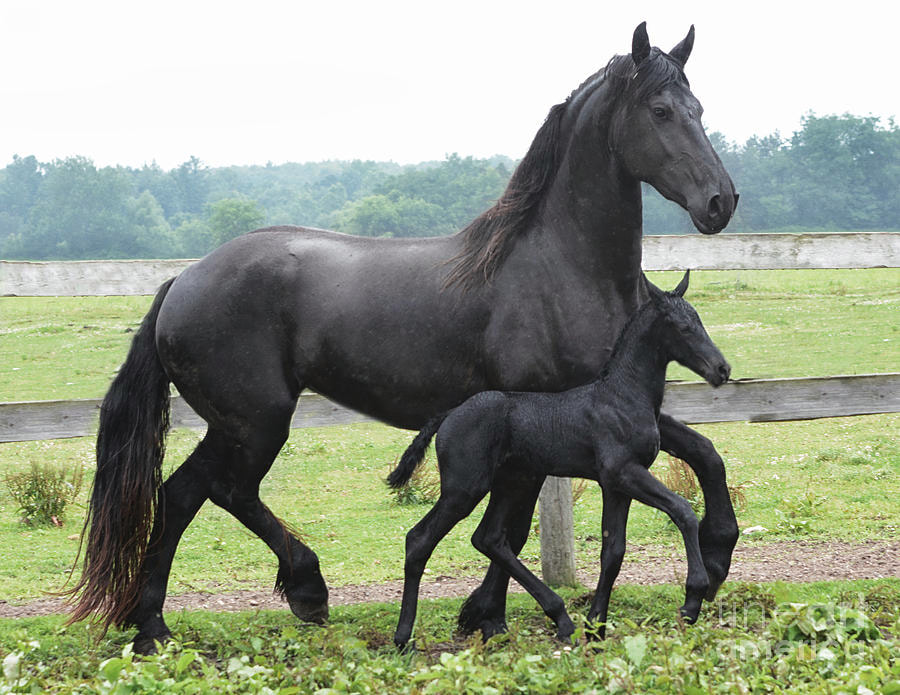
The breed’s signature look—luxurious mane, tail, and feathering—requires a dedicated grooming routine. Neglecting this aspect can lead to matting, skin infections, and discomfort for your horse. Here’s what to keep in mind:
- Daily brushing of the mane and tail prevents tangles and removes debris.
- Use gentle detanglers and wide-tooth combs to avoid breakage.
- Regular washing with horse-safe shampoos helps maintain coat health, especially after muddy turnout.
- Feathered legs should be checked for mud and moisture to prevent skin problems such as scratches.
Investing in quality grooming tools and products makes the process easier and more enjoyable for both you and your horse. For tips on post-exercise care, see the Friesian horse recovery and rest guide.
Health, Veterinary Care, and Common Issues
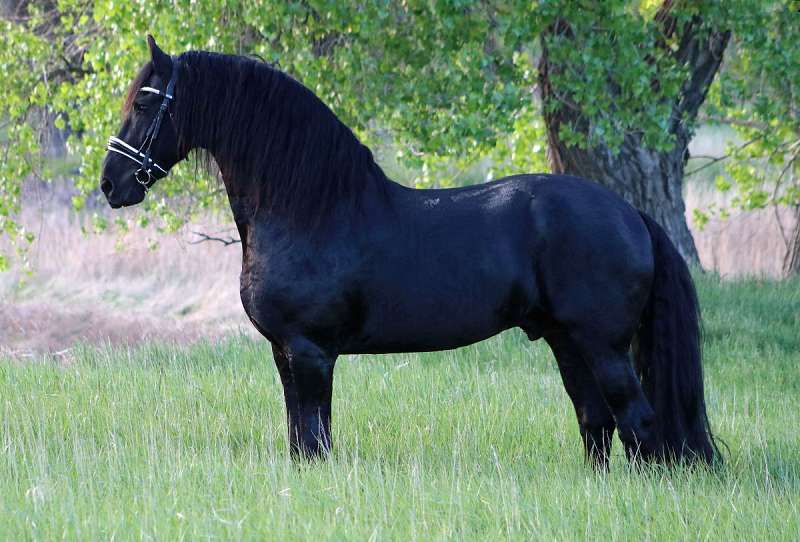
Like all horses, Friesians require regular veterinary attention. However, they are predisposed to certain health conditions that owners should be aware of:
- Feather mites and skin infections due to heavy feathering on the legs.
- Higher risk of colic and digestive issues, so diet management is crucial.
- Genetic conditions such as dwarfism and hydrocephalus, especially in poorly bred lines.
Routine vaccinations, dental care, and deworming are essential. Schedule annual checkups and consult your vet if you notice any changes in behavior, appetite, or movement. For a comprehensive look at the breed’s health profile, see the Friesian horse breed profile and health guide.
Financial and Emotional Commitment
Owning a Friesian is a significant investment, both financially and emotionally. Here’s what to expect:
- Purchase price: Friesians are among the more expensive breeds, especially those with proven bloodlines or show records.
- Ongoing costs: Feed, bedding, farrier services, veterinary care, insurance, and boarding (if you don’t have your own facility).
- Time commitment: Daily care, exercise, and grooming require several hours each week.
It’s important to be honest about your available resources and support system. Friesians thrive on attention and consistency, so ensure you can meet their needs for the long term.
Adoption, Breeding, and Foal Care Considerations
Some owners choose to adopt or breed Friesians. Adoption can be a rewarding way to provide a home for a horse in need. If you’re interested in this path, check out Friesian horse adoption information for guidance on finding reputable rescues and sanctuaries.
Breeding and raising foals require advanced knowledge and resources. The early months are critical for a foal’s health and development. For detailed advice, visit the Friesian horse foal care resource.
Frequently Asked Questions
What makes Friesians different from other horse breeds?
Friesians stand out for their striking black coats, long manes and tails, and feathered legs. They are also known for their gentle, people-oriented temperament and versatility in riding and driving disciplines.
How much does it cost to own a Friesian horse?
The initial purchase price can range from several thousand to tens of thousands of dollars, depending on pedigree and training. Ongoing expenses include feed, veterinary care, farrier visits, grooming supplies, and boarding if you don’t have your own stable.
Are Friesians suitable for beginners?
While Friesians are generally calm and willing, their size and strength may be challenging for complete beginners. With proper instruction and support, they can be a good match for riders with some experience or those committed to learning.
Conclusion: Is Friesian Ownership Right for You?
Welcoming a Friesian into your life is a rewarding journey filled with beauty and companionship, but it also comes with significant responsibility. By understanding their unique needs, investing in proper care, and staying informed, you’ll be better prepared for the realities of ownership. Take the time to research, connect with knowledgeable owners, and consider all aspects before making your decision. With the right preparation, your partnership with a Friesian can be both fulfilling and enduring.