

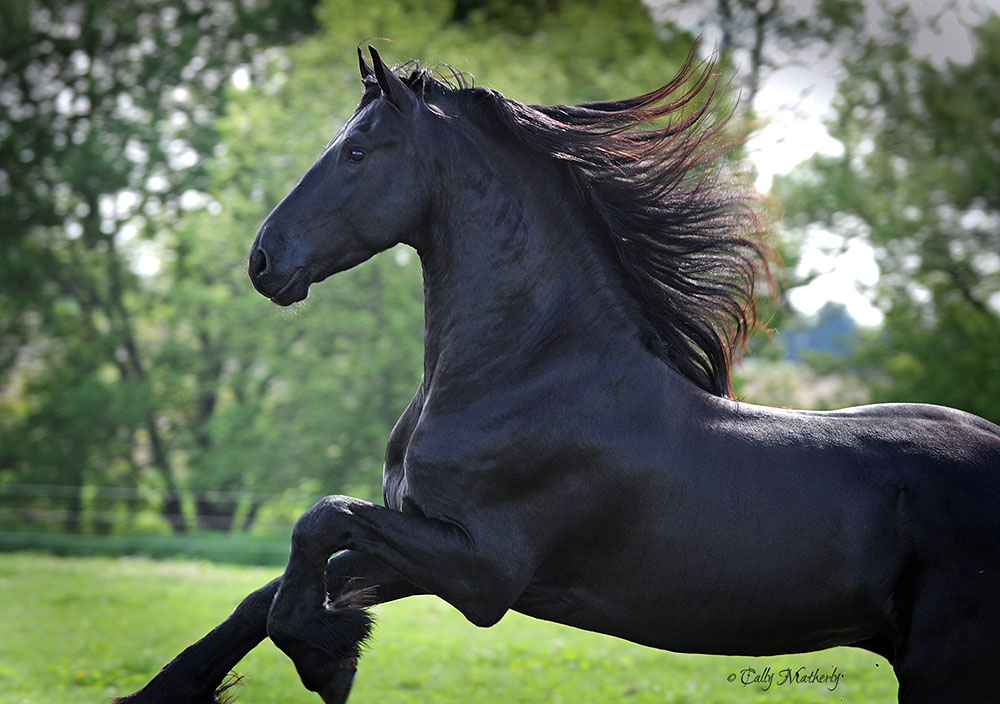
Bringing a Friesian foal into the world is an exciting and rewarding experience, but it comes with important responsibilities. Friesian horse foal care requires a thoughtful approach to nutrition, handling, health management, and socialization to ensure these magnificent horses grow into strong, confident adults. Whether you are a seasoned breeder or welcoming your first Friesian foal, understanding the unique needs of this breed will set the foundation for a healthy start.
In this guide, you’ll learn about essential aspects of Friesian foal development, from the first days of life through weaning and beyond. We’ll cover practical tips for daily care, highlight common challenges, and provide resources for further learning. If you’re also interested in rider safety, you may want to explore how to find the right riding helmet for your head shape to complement your foal’s journey with your own preparedness.
Understanding Friesian Foal Development Stages
From birth, Friesian foals display rapid growth and curiosity. The first few months are critical for establishing healthy habits and strong bonds. Here’s what to expect during the main stages of early development:
- Neonatal Period (0–1 month): Newborns rely entirely on their dam for nutrition and warmth. Monitoring for normal nursing, alertness, and steady weight gain is essential.
- Early Foalhood (1–3 months): As foals become more mobile, they start exploring their environment and interacting with humans. This is the ideal time to introduce gentle handling.
- Pre-Weaning (3–6 months): Growth accelerates, and foals begin sampling solid foods. Socialization with other horses and continued positive human contact are important.
- Weaning (5–7 months): Transitioning from dam’s milk to independent feeding requires careful management to minimize stress and maintain health.
Each stage brings new opportunities and challenges. Being proactive about health checks and nutrition will help your Friesian foal thrive.
Nutrition and Feeding Guidelines for Friesian Foals
Proper nutrition is a cornerstone of Friesian horse foal care. The breed’s rapid growth and elegant build mean that balanced feeding is vital to avoid developmental issues.
- Colostrum Intake: Ensure the foal receives colostrum within the first 12 hours after birth. This provides essential antibodies for immune protection.
- Milk and Creep Feeding: For the first few months, the dam’s milk is the primary food source. By 2–3 months, introduce creep feed formulated for foals to supplement nutrition and prepare for weaning.
- Forage Introduction: Gradually offer high-quality hay and pasture. Monitor for digestive upsets and adjust as needed.
- Fresh Water: Always provide clean, fresh water accessible to both mare and foal.
- Mineral Balance: Friesians are prone to certain developmental orthopedic diseases if minerals are imbalanced. Consult your veterinarian for recommendations tailored to your region and forage quality.
Monitor your foal’s body condition and growth rate regularly. Sudden changes in appetite, weight, or behavior can signal health concerns that require prompt attention.
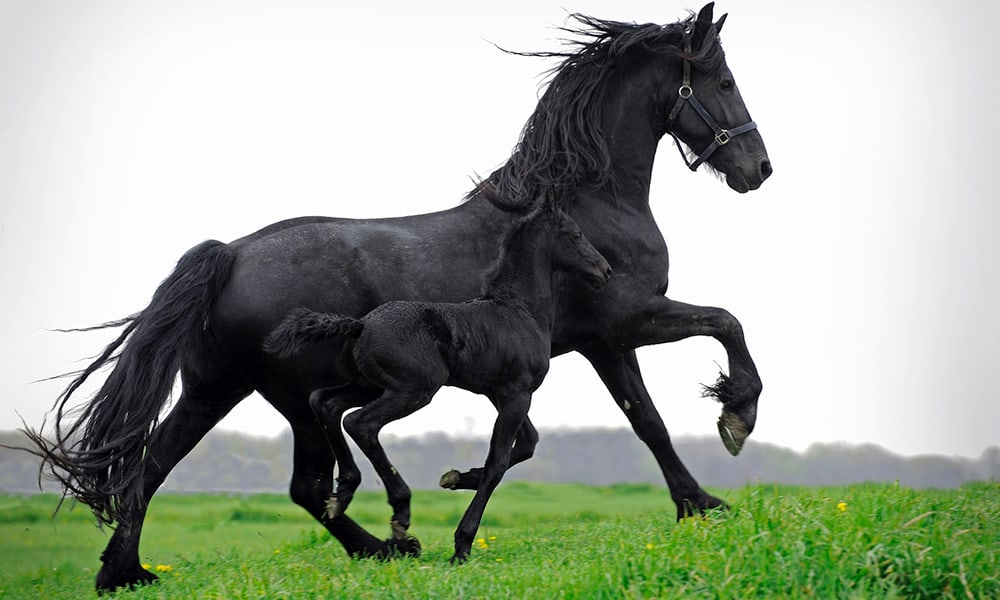
Daily Handling and Socialization for Confident Foals
Early, positive experiences with people and other horses are crucial for developing a well-adjusted Friesian. Gentle handling helps foals become comfortable with routine care and prepares them for future training.
- Touch and Grooming: Begin with brief, calm sessions. Use soft brushes and your hands to accustom the foal to human touch. This also helps you check for injuries or skin issues.
- Leading and Haltering: Introduce a foal halter and lead rope gradually. Practice short leading sessions, rewarding calm behavior.
- Exposure to New Stimuli: Safely introduce the foal to different sights, sounds, and surfaces. This builds resilience and reduces fearfulness later in life.
- Peer Interaction: Allow the foal to socialize with other foals or gentle adult horses. Social learning is important for developing appropriate herd behavior.
Consistency and patience are key. Avoid overwhelming the foal with too much at once, and always end sessions on a positive note.
Health Management and Veterinary Care
Maintaining good health is a top priority in Friesian horse foal care. Regular veterinary checkups and preventive measures help catch problems early and keep your foal on track.
- Vaccinations: Follow your veterinarian’s recommended vaccination schedule, which typically includes protection against tetanus, influenza, and other common equine diseases.
- Deworming: Foals are particularly susceptible to internal parasites. Begin a deworming program at 4–8 weeks of age and continue at intervals based on fecal egg counts and veterinary advice.
- Hoof Care: Even young foals benefit from regular hoof trimming. This prevents conformational issues and accustoms them to farrier visits.
- Monitoring Growth: Track your foal’s weight and height. Friesians are known for their rapid growth, so watch for signs of developmental orthopedic disease, such as joint swelling or lameness.
Establish a relationship with an equine veterinarian who understands the specific needs of Friesians. Promptly address any signs of illness, including lethargy, diarrhea, coughing, or abnormal behavior.
Grooming and Coat Care for Friesian Foals
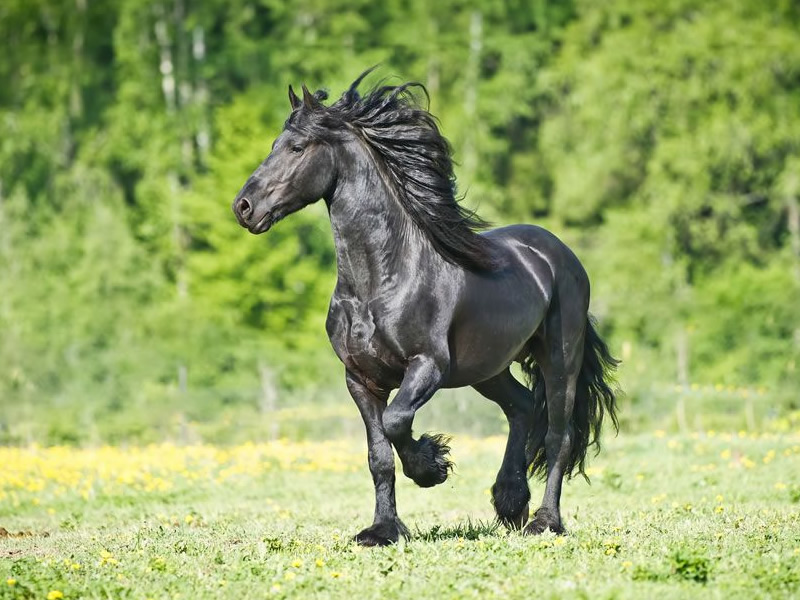
The Friesian’s luxurious black coat and flowing mane are iconic features. Starting a grooming routine early not only keeps your foal clean but also strengthens your bond and helps monitor health.
- Daily Brushing: Use soft brushes to remove dirt and loose hair. This stimulates circulation and helps you spot skin conditions or injuries.
- Mane and Tail Care: Gently detangle the mane and tail with your fingers or a wide-tooth comb. Avoid harsh pulling to prevent breakage.
- Bathing: Occasional baths with mild, foal-safe shampoo can help maintain coat health. Always dry the foal thoroughly and avoid chilling.
- Hoof Cleaning: Pick out hooves regularly to prevent thrush and accustom the foal to having its feet handled.
Quality grooming tools make the process easier. For example, a Weaver grooming kit and Mane ‘n Tail combo are popular choices among Friesian owners.
Weaning and Transition to Independence
Weaning is a significant milestone in a Friesian foal’s life. The process should be gradual and as stress-free as possible to support emotional and physical well-being.
- Timing: Most Friesian foals are weaned between 5 and 7 months of age. Monitor the foal’s readiness, health, and weight before starting.
- Gradual Separation: Whenever possible, use a gradual weaning method, such as fence-line separation, to reduce anxiety for both mare and foal.
- Companionship: Provide a calm companion, such as another weanling or gentle adult horse, to ease the transition.
- Nutrition: Ensure the foal is eating solid feed and forage well before complete separation from the dam.
After weaning, continue close monitoring for signs of stress, illness, or weight loss. This period is also an excellent time to reinforce handling and training basics.
Common Challenges in Friesian Foal Rearing
While Friesians are known for their gentle nature, they can be prone to certain health and developmental issues. Being aware of these challenges allows for early intervention:
- Developmental Orthopedic Disease (DOD): Rapid growth can sometimes lead to joint or bone problems. Balanced nutrition and regular veterinary checks are crucial.
- Parasite Control: Young foals are susceptible to internal parasites. Follow a strategic deworming plan based on veterinary guidance.
- Skin Conditions: The thick coat and mane can trap moisture, leading to fungal infections or rain rot. Regular grooming and prompt treatment help prevent these issues.
- Behavioral Issues: Inadequate socialization or inconsistent handling can result in shyness or pushiness. Early, positive experiences are key to a well-mannered adult horse.
For more detailed advice on Friesian-specific health and management, consult resources like Friesian care recommendations from Regal Legacy Farms.
Frequently Asked Questions
What is the best age to start handling a Friesian foal?
Gentle handling can begin within the first few days after birth. Early positive interactions help the foal become accustomed to human touch and routine care, making future training easier and less stressful.
How often should Friesian foals be dewormed?
Deworming typically starts at 4–8 weeks of age and continues at regular intervals. The exact schedule depends on your veterinarian’s advice and fecal egg count results. Friesian foals may require more frequent monitoring due to their rapid growth.
What should I feed my Friesian foal after weaning?
After weaning, provide a balanced diet of high-quality forage, a foal-specific concentrate, and access to fresh water and minerals. Monitor growth and adjust the ration as needed to avoid overfeeding or nutritional imbalances.
Conclusion
Raising a Friesian foal is a journey that requires dedication, knowledge, and a proactive approach to care. By focusing on nutrition, health, socialization, and daily handling, you’ll help your foal develop into a healthy, confident adult. Remember to consult with equine professionals and leverage trusted resources to stay informed about best practices for Friesian horse foal care. With patience and attention, your young Friesian will flourish and become a cherished companion for years to come.