

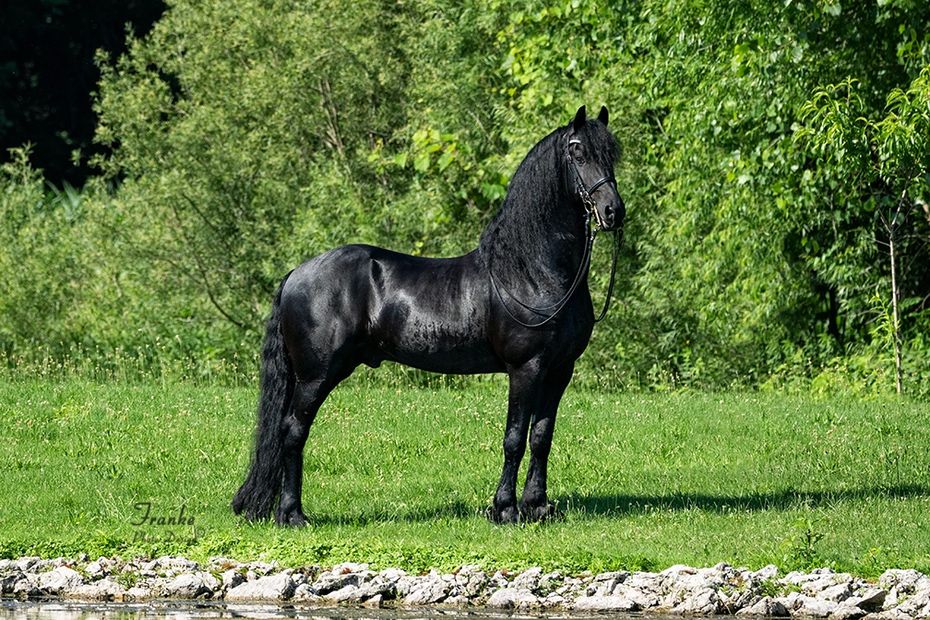
The Friesian horse is admired for its striking appearance, gentle temperament, and versatility. However, like many purebred animals, Friesians are predisposed to specific health concerns that require careful management. Understanding the unique Friesian horse health issues is essential for owners, breeders, and enthusiasts who want to ensure the well-being and longevity of these majestic horses.
This article explores the most common ailments affecting Friesians, practical prevention strategies, and the importance of proactive care. Whether you are a new owner or an experienced handler, recognizing potential risks and acting early can make a significant difference in your horse’s quality of life.
For a broader perspective on this breed’s background, characteristics, and care, you may find the complete guide to Friesian horses helpful as a companion resource.
Genetic Predispositions in Friesian Horses
Selective breeding for the Friesian’s distinctive look has led to a higher prevalence of certain inherited conditions. While these horses are generally robust, their genetic makeup can make them more susceptible to specific ailments. Being aware of these risks is the first step toward effective prevention and early intervention.
Hydrocephalus and Dwarfism
Two of the most well-known hereditary issues in Friesians are hydrocephalus (fluid accumulation in the brain) and dwarfism. Both are linked to recessive genes. Responsible breeders test their stock to minimize the risk of producing affected foals. While not common in the general population, these conditions are serious and can be fatal or require euthanasia for humane reasons.
Connective Tissue Disorders
Friesians are prone to connective tissue problems, most notably aortic rupture and esophageal dysfunction. Aortic rupture, often sudden and fatal, is believed to be related to abnormalities in collagen structure. Esophageal dysfunction, sometimes called “megaesophagus,” can cause difficulty swallowing and regurgitation, leading to weight loss and aspiration pneumonia.
Common Friesian Horse Health Problems
Beyond genetic concerns, several health issues are seen more frequently in Friesians than in other breeds. Recognizing the signs early and providing appropriate care can help prevent complications.
Feather Mites and Skin Conditions
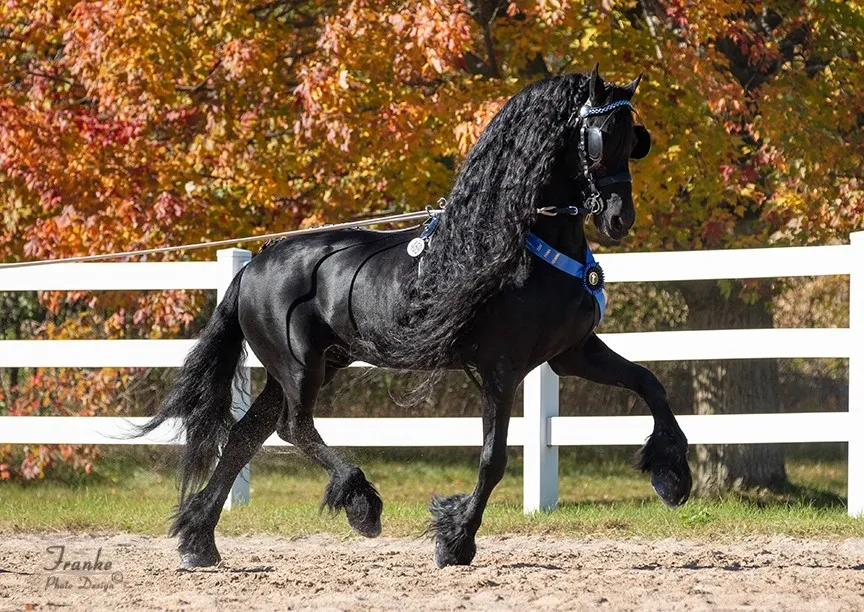
The luxurious feathering on Friesian legs, while beautiful, creates an environment where skin problems can flourish. Feather mites, also known as Chorioptes, are a common parasite that can cause intense itching, hair loss, and skin thickening. Secondary infections may develop if left untreated.
Other skin issues, such as pastern dermatitis (“scratches” or “mud fever”), are also prevalent. These conditions thrive in damp environments and can be exacerbated by poor hygiene or lack of grooming.
Digestive System Concerns
Colic is a risk for all horses, but Friesians are particularly vulnerable to a type known as “colonic displacement,” where part of the large intestine moves out of its normal position. This can quickly become life-threatening and often requires surgical intervention. The breed’s anatomy and connective tissue differences may contribute to this increased risk.
Gastric ulcers and choke (esophageal blockage) are also seen with some frequency. Preventing these issues involves careful management of diet, feeding routines, and stress levels.
Respiratory and Allergic Reactions
Some Friesians display a higher incidence of respiratory allergies and asthma-like symptoms, possibly due to their sensitive immune systems. Dusty bedding, moldy hay, and poor ventilation can trigger coughing, nasal discharge, and labored breathing. Regular cleaning and high-quality forage are essential for prevention.
Preventive Care for Friesian Horses
Proactive management is the key to minimizing health problems in Friesian horses. While not all conditions can be avoided, many can be managed or their impact reduced through attentive care and good husbandry practices.
Grooming and Hygiene
Routine grooming is vital for Friesians, especially to prevent skin and feather issues. Washing and drying the legs regularly, inspecting for mites, and keeping the stall clean help prevent infestations and infections. Using specialized grooming tools and gentle shampoos designed for horses with heavy feathering can make the task easier and more effective.
Nutrition and Feeding Practices
Feeding Friesians a balanced diet with adequate fiber and low starch helps support digestive health and reduces the risk of colic and ulcers. Providing several small meals throughout the day, rather than one or two large feedings, mimics natural grazing and supports gut function. Always ensure access to clean, fresh water.
Supplements may be beneficial for some horses, but it’s best to consult with an equine nutritionist or veterinarian to tailor a plan to your horse’s needs. Avoid sudden changes in diet, as these can disrupt the digestive system.
Veterinary Care and Early Detection
Regular veterinary checkups, dental care, and vaccinations are crucial for Friesian horses. Early detection of potential issues—such as subtle changes in behavior, appetite, or movement—can prevent minor problems from escalating. Work with a veterinarian familiar with the breed’s unique needs for the best outcomes.
Genetic testing is recommended for breeding stock to reduce the incidence of inherited disorders. Responsible breeding practices have helped improve the overall health of the breed, as highlighted by organizations like The Livestock Conservancy.
Supporting Friesian Horse Well-Being
Beyond physical health, Friesians benefit from mental stimulation, social interaction, and appropriate exercise. These horses are intelligent and thrive when given a job, whether it’s riding, driving, or groundwork. Boredom and inactivity can lead to stress-related behaviors and contribute to health problems.
Learning more about equine behavior and communication can help owners recognize early signs of discomfort or anxiety, allowing for timely intervention. Building a strong bond and understanding your horse’s unique personality are essential aspects of holistic care.
Frequently Asked Questions
What are the most common health concerns in Friesian horses?
Friesians are particularly prone to skin and feather conditions, digestive issues like colic, and certain genetic disorders such as hydrocephalus and dwarfism. Connective tissue problems, including aortic rupture and esophageal dysfunction, are also more prevalent in this breed compared to others.
How can I prevent skin problems in my Friesian?
Consistent grooming, keeping the feathers clean and dry, and regular inspection for mites are key. Use gentle, horse-safe shampoos and avoid letting mud or moisture accumulate on the legs. Maintaining a clean living environment further reduces the risk of skin infections.
Are Friesian horses suitable for first-time owners?
While Friesians are known for their gentle nature, their unique health needs require attentive management. First-time owners should educate themselves on the breed’s care requirements and consider working with experienced trainers or veterinarians. Resources like the horse ownership responsibilities guide can provide additional insight.
Can Friesian horse health issues be minimized through breeding?
Yes, responsible breeding practices, including genetic testing and careful selection of breeding pairs, have helped reduce the incidence of inherited disorders. Working with reputable breeders who prioritize health over appearance is essential for the long-term well-being of the breed.
Conclusion
Friesian horses are a remarkable breed with specific health considerations that require informed, proactive care. By understanding their predispositions, practicing diligent preventive measures, and working closely with knowledgeable professionals, owners can help their Friesians live healthy, fulfilling lives. Staying informed and attentive is the best way to support your horse’s well-being and enjoy a rewarding partnership for years to come.