


Owning a Friesian horse is a rewarding experience, but it comes with unique financial responsibilities. These majestic horses, known for their striking appearance and gentle temperament, require thoughtful planning to ensure their well-being without straining your finances. Whether you’re a first-time owner or looking to optimize your current expenses, understanding how to manage feed, tack, and veterinary costs is essential for long-term success.
In this guide, you’ll find practical Friesian horse budgeting tips to help you make informed decisions, avoid common pitfalls, and keep your equine companion healthy and happy. If you’re new to the breed or want to deepen your understanding, the complete guide to Friesian horses is a valuable resource for background information.
Understanding the True Cost of Friesian Horse Ownership
Before diving into specific strategies, it’s important to recognize the full scope of expenses associated with Friesian horses. These costs extend beyond the initial purchase and include ongoing care, supplies, and unexpected emergencies. Budgeting effectively requires a clear overview of both predictable and variable expenses.
- Feed and nutrition: High-quality hay, grains, and supplements tailored to the breed’s needs.
- Tack and equipment: Saddles, bridles, grooming tools, and maintenance.
- Veterinary care: Routine check-ups, vaccinations, dental work, and emergency treatments.
- Boarding or stable costs: If you don’t have your own facilities.
- Training and lessons: For both horse and rider, especially if you’re new to Friesians.
- Insurance and registration: Optional but recommended for valuable horses.
For a broader perspective on equine care and financial planning, you may also find the article on horse ownership responsibilities helpful.
Feed and Nutrition: Smart Strategies for Savings
Nutrition is a major component of your annual budget. Friesians are known for their robust build, but they can be prone to metabolic issues if overfed or given the wrong diet. Here are some practical ways to manage feed costs without compromising your horse’s health:
- Buy in bulk: Purchasing hay and grain in larger quantities often results in lower per-unit costs. Partner with other local owners to split bulk orders if storage is limited.
- Analyze forage quality: Have your hay tested to ensure it meets nutritional requirements. This can help reduce the need for expensive supplements.
- Limit unnecessary treats: While treats are a nice gesture, they can add up. Use them sparingly and opt for healthy, affordable options like carrots or apples.
- Monitor body condition: Regularly assess your Friesian’s weight and adjust feed accordingly. Overfeeding leads to waste and potential health issues.
- Consult an equine nutritionist: A professional can help design a cost-effective diet plan tailored to your horse’s needs.
Choosing and Maintaining Tack on a Budget
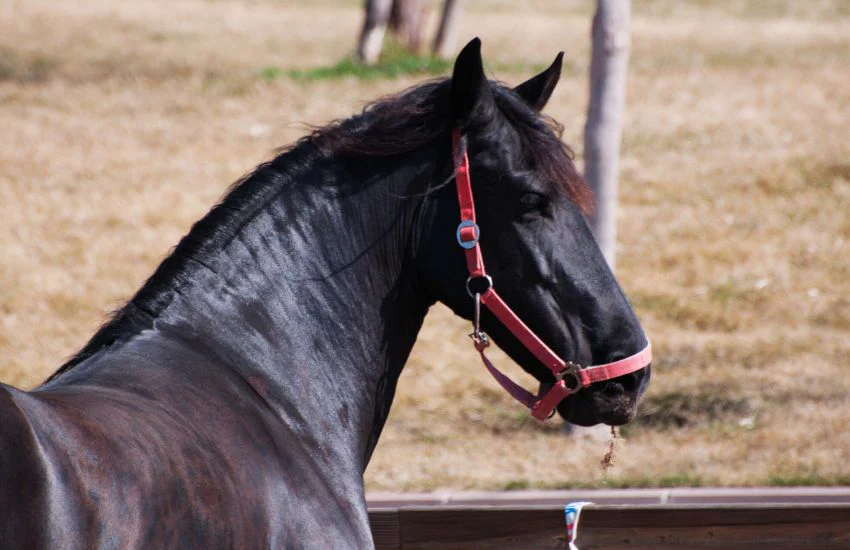
Quality tack is essential for your horse’s comfort and your safety, but it doesn’t have to break the bank. Here are some Friesian horse budgeting tips for managing tack expenses:
- Prioritize essentials: Focus on must-have items first—saddle, bridle, halter, and grooming tools. Add specialty gear only as needed.
- Buy used or consignment: Many reputable tack shops and online platforms offer gently used equipment at a fraction of the cost of new items.
- Maintain and repair: Regular cleaning and prompt repairs extend the life of your tack. Invest in basic care supplies to prevent costly replacements.
- Choose versatile gear: Select items that can be used for multiple disciplines or horses, reducing the need for duplicates.
- Shop sales and clearance: Take advantage of seasonal discounts and clearance events for significant savings.
For additional advice on balancing horse-related activities and daily responsibilities, see the article on equestrian lifestyle tips.
Veterinary Bills: Planning for Routine and Emergency Care
Health care is a significant part of your annual expenses. Friesians may be prone to certain conditions, such as metabolic disorders and feather-related skin issues. Here’s how to keep veterinary costs manageable:
- Schedule regular check-ups: Preventive care reduces the risk of costly emergencies. Annual exams, vaccinations, and dental work are essential.
- Budget for emergencies: Set aside a dedicated fund for unexpected illnesses or injuries. Aim for at least $1,000–$2,000 as a safety net.
- Compare vet services: Prices can vary widely. Ask for estimates and consider mobile veterinarians for routine care, which may be more affordable.
- Consider insurance: Equine health insurance can offset large, unexpected bills. Evaluate policies carefully to ensure they fit your needs and budget.
- Learn basic first aid: Being able to handle minor issues yourself can prevent unnecessary vet visits and expenses.
For more on understanding horse behavior and early signs of illness, explore the article on equine behavior and communication.
Additional Ways to Save Without Sacrificing Quality
Beyond feed, tack, and vet bills, there are other opportunities to optimize your budget:
- Join local horse communities: Sharing resources, advice, and even bulk purchases with other owners can lead to significant savings.
- DIY where possible: Learn to handle basic grooming, minor repairs, and simple training tasks yourself.
- Track expenses: Use a spreadsheet or budgeting app to monitor where your money goes and identify areas for improvement.
- Stay informed: The more you know about Friesian horses and their care, the better equipped you’ll be to make cost-effective decisions. The history and characteristics of Friesian horses can provide valuable context for their unique needs.
- Invest in quality where it counts: Sometimes, spending a bit more upfront on durable equipment or preventive care saves money in the long run.
Frequently Asked Questions
How much does it cost to feed a Friesian horse each month?
The monthly feed cost for a Friesian typically ranges from $150 to $300, depending on hay prices, grain requirements, and whether supplements are needed. Buying in bulk and monitoring your horse’s condition can help keep costs in check.
What are some affordable grooming options for Friesian horses?
Look for multi-purpose grooming kits and shop sales or used equipment. Investing in a durable kit, such as the Weaver Grooming Kit, and using quality but affordable products like Mane ‘n Tail shampoo can help you maintain your horse’s coat without overspending.
Is equine insurance worth it for Friesian owners?
Insurance can be a wise investment, especially for high-value horses or owners concerned about large, unexpected vet bills. Compare policies carefully, considering coverage limits, exclusions, and monthly premiums to determine if it fits your budget and risk tolerance.
How can I reduce tack replacement costs?
Regular cleaning, prompt repairs, and proper storage extend the life of your tack. Buying quality used items and focusing on versatile gear also helps minimize replacement expenses.
Conclusion
Managing the expenses of Friesian horse ownership requires a proactive approach and a willingness to seek out savings without sacrificing quality. By applying these Friesian horse budgeting tips—from smart feed management and tack selection to planning for veterinary care—you can enjoy the beauty and companionship of your horse while maintaining financial stability. For those looking to deepen their connection and skills, the resource on how to become a better horse owner offers further guidance. With careful planning and ongoing education, you’ll be well-equipped to provide the best for your Friesian while keeping your budget on track.