

Understanding the difference between collection and extension is fundamental for anyone passionate about dressage. These two concepts form the backbone of advanced riding and training, shaping how a horse moves, balances, and expresses athleticism. Riders, trainers, and judges all look for clear transitions between these states, as they showcase the horse’s training, strength, and willingness to work with the rider.
In this guide, we’ll break down what collection and extension mean in the context of dressage, how they are developed, and why mastering both is crucial for success in the arena. We’ll also highlight practical tips for identifying and improving these qualities in your own riding. For those interested in broader equestrian safety, you may also find value in learning how to find the right riding helmet for your head shape.
Defining Collection and Extension in Dressage
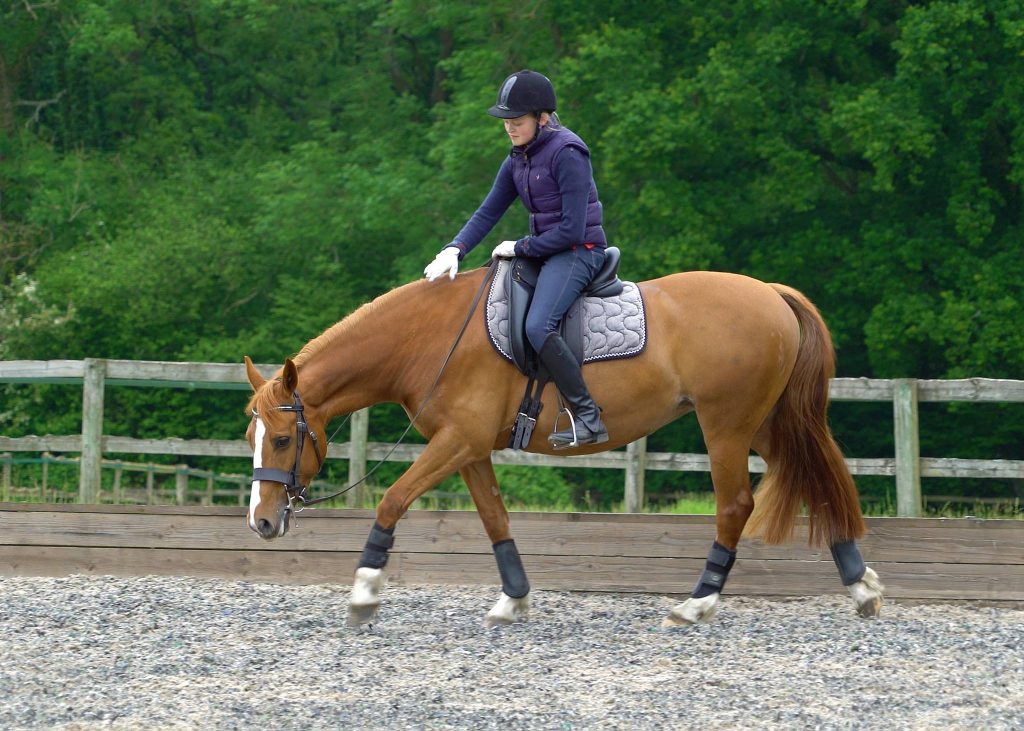
Collection refers to a state where the horse shortens its stride, shifts more weight onto its hindquarters, and elevates its forehand. This results in increased balance, engagement, and self-carriage. The horse appears more compact, with a rounded topline and active hind legs stepping under the body.
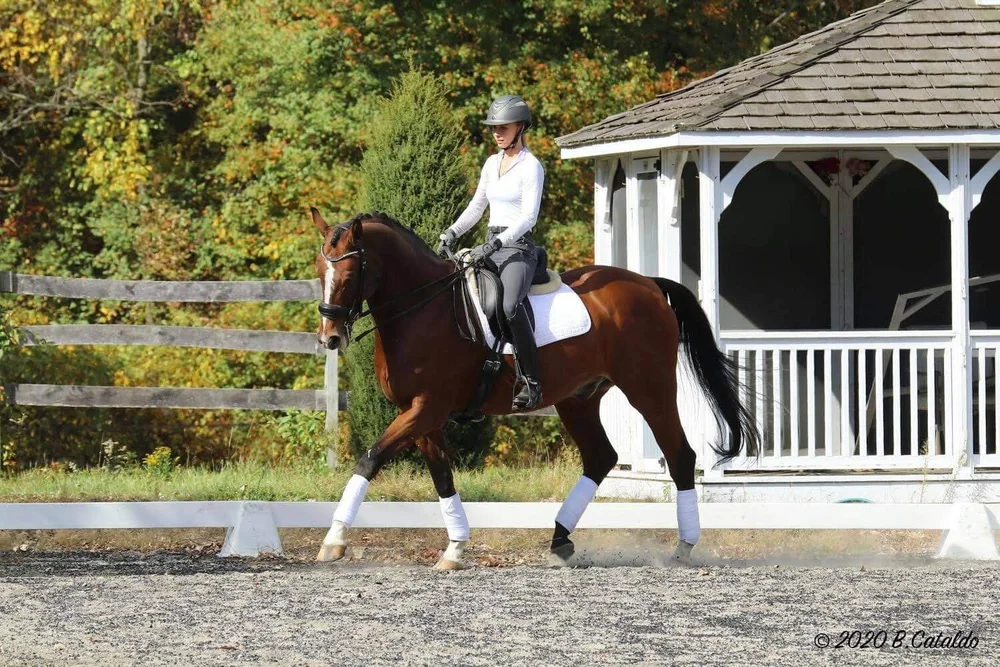
Extension, on the other hand, is when the horse lengthens its stride, covering more ground with each step while maintaining rhythm and balance. The frame stretches forward, and the horse’s movement becomes more expressive and ground-covering. Extension is not about speed, but about maximizing reach and elasticity while staying relaxed and controlled.
Both collection and extension are essential for demonstrating the horse’s athletic ability and the rider’s skill. They are required in various movements and tests, especially at higher levels of competition.
The Role of Collection in Dressage Training
Developing true collection is a gradual process that requires building the horse’s strength, flexibility, and understanding. In collected work, the horse must:
- Engage the hindquarters and lower the croup
- Lift the withers and lighten the forehand
- Shorten the stride without losing energy or impulsion
- Maintain relaxation and suppleness
Collected gaits—walk, trot, and canter—are required in advanced dressage tests. Movements such as the piaffe, passage, and pirouette demand a high degree of collection. Achieving this state is a testament to the horse’s training and the rider’s ability to communicate effectively.
For more on the principles that underpin these movements, the British Dressage principles provide a detailed overview of the foundational elements in the sport.
Mastering Extension: Expression and Reach
Extension in dressage is about maximizing the horse’s natural movement. The horse should:
- Lengthen the stride in each gait without rushing
- Maintain a steady tempo and clear rhythm
- Stretch the frame forward and upward
- Show elasticity through the back and freedom in the shoulders
Extended gaits are often seen in the medium and advanced levels, where the horse is asked to show a clear difference between working, medium, and extended paces. The transition into and out of extension should be smooth, demonstrating the horse’s adjustability and the rider’s subtle aids.
Riders should focus on developing the horse’s strength and flexibility to achieve true extension. Over time, the horse learns to push from behind, swing through the back, and reach forward with the forelegs, all while staying connected and balanced.
Transitions: The Key to Dressage Progression
One of the most telling aspects of a well-trained dressage horse is the ability to transition seamlessly between collection and extension. These transitions test the horse’s balance, obedience, and the rider’s timing. Practicing transitions helps:
- Improve the horse’s responsiveness to aids
- Develop strength and coordination
- Enhance suppleness and elasticity
- Showcase the difference between collected and extended work
For riders, focusing on clear, precise transitions is a pathway to higher scores in competition and a more harmonious partnership with the horse. Judges look for visible changes in the horse’s frame, stride length, and energy without loss of rhythm or relaxation.
Common Challenges and Solutions
Many riders encounter difficulties when working on collected or extended movements. Common issues include:
- Losing rhythm or tempo during transitions
- Horse becoming tense or resistant
- Loss of balance, resulting in falling onto the forehand
- Strides becoming hurried rather than lengthened in extension
To address these challenges, focus on the following strategies:
- Build strength gradually with gymnastic exercises
- Use half-halts to rebalance and prepare the horse
- Keep sessions short and positive to avoid fatigue
- Reward relaxation and correct responses
Consistent, patient training is key. Riders should also seek feedback from experienced trainers and consider video analysis to spot subtle issues in their horse’s way of going.
Why Both Collection and Extension Matter
Dressage is about demonstrating the horse’s ability to adjust its frame, stride, and energy in response to the rider’s aids. Mastery of both collected and extended work is a hallmark of advanced training. These qualities:
- Showcase the horse’s athleticism and versatility
- Reveal the rider’s skill in communication and timing
- Are essential for success in upper-level tests
- Contribute to the horse’s long-term soundness and well-being
Whether you are aiming for competition or simply improving your partnership, understanding and practicing both collection and extension will elevate your dressage journey.
Frequently Asked Questions
How can I tell if my horse is truly collected?
A truly collected horse will show increased engagement of the hindquarters, a lifted forehand, and a shorter, more elevated stride. The horse should remain relaxed, supple, and responsive, with clear self-carriage and no signs of tension or resistance.
What is the difference between extended and lengthened gaits?
Lengthened gaits are typically introduced at lower levels and involve a moderate increase in stride length and ground cover. Extended gaits, required at higher levels, demand maximum reach and expression while maintaining balance, rhythm, and relaxation.
How do I improve transitions between collection and extension?
Practice frequent transitions within and between gaits, focusing on maintaining rhythm and relaxation. Use half-halts to prepare the horse and reward correct responses. Gradually increase the degree of collection and extension as the horse gains strength and understanding.
Conclusion
Mastering the balance between collection and extension is a journey that requires patience, dedication, and a deep understanding of your horse’s abilities. By focusing on clear transitions, building strength, and maintaining relaxation, you can develop a harmonious partnership and achieve success in the dressage arena. For those interested in furthering their equestrian knowledge, topics such as the difference between UK and US riding standards or the importance of a secure helmet retention system offer valuable insights into riding safety and standards.