Keeping a detailed record of your dressage training sessions can be incredibly beneficial for tracking progress and identifying areas for improvement. A well-maintained journal helps riders stay organized, set goals, and reflect on their achievements over time. In this guide, we’ll explore various strategies and tips to create an effective dressage training journal.
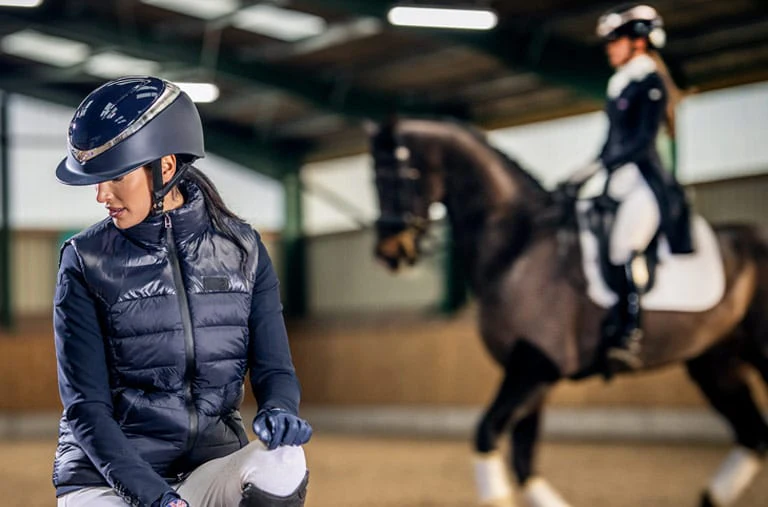
For those interested in the safety aspects of equestrian activities, understanding the Snell E2016 safety standard can be crucial. This standard provides guidelines to ensure the safety of riders through advanced helmet technology.
Why Maintain a Dressage Training Log?
Documenting your training sessions offers numerous advantages. It allows you to track your horse’s progress and identify patterns in performance. By noting down each session’s details, you can pinpoint what works and what doesn’t, helping you adjust your training methods accordingly.
Moreover, a training log serves as a motivational tool. Seeing how far you’ve come can be incredibly encouraging, especially during challenging phases. It also helps in setting realistic goals and planning future training sessions effectively.
Essential Components of a Training Journal
To create a comprehensive journal, consider including the following elements:
- Date and Time: Record when each session took place to track consistency.
- Weather Conditions: Note the weather as it can affect both horse and rider performance.
- Goals: Set specific objectives for each session to maintain focus.
- Exercises: Detail the exercises performed and their outcomes.
- Observations: Include any notable behaviors or reactions from your horse.
- Reflections: Reflect on what went well and areas for improvement.
Creative Ideas for Your Journal
Beyond the basics, consider incorporating creative elements to make your journal more engaging:
- Photos and Sketches: Visuals can enhance your journal by providing a clearer picture of your progress.
- Quotes and Inspiration: Include motivational quotes or notes to keep your spirits high.
- Progress Charts: Graphs or charts can visually represent your improvements over time.
Resources and Further Reading
For those looking to expand their knowledge in dressage, there are numerous resources available. For instance, this guide on basic dressage offers valuable insights into successful techniques. Additionally, understanding the importance of choosing the right helmet can enhance both safety and performance.
Frequently Asked Questions
What should I include in my dressage journal?
Your journal should include the date, time, weather conditions, goals, exercises, observations, and reflections. Adding photos, sketches, and progress charts can also be beneficial.
How often should I update my journal?
It’s best to update your journal after each training session. This ensures that all details are fresh in your mind, allowing for more accurate and useful entries.
Can a journal help improve my dressage skills?
Yes, a journal can significantly aid in improving your skills by helping you track progress, identify areas for improvement, and maintain motivation through documented achievements.