


Choosing the right helmet can make a significant difference in your safety, whether you’re horseback riding or cycling. While both types of helmets are designed to protect your head, the difference between riding helmets and bike helmets is more than just appearance. Each is engineered to address the specific risks of its respective sport, and using the wrong helmet could leave you vulnerable to injury.
This article will break down the essential distinctions between these two types of protective headgear, covering their construction, safety standards, and the reasons why it’s important to use the right helmet for each activity. If you’re curious about how helmet design impacts your protection, or you’re shopping for a new helmet and want to make an informed choice, you’ll find practical, research-backed information here.
For those looking to optimize fit and comfort, learning how to find the right riding helmet for your head shape is an excellent next step after understanding the core differences between helmet types.
Understanding the Purpose: Why Helmet Types Matter
Helmets are not one-size-fits-all. The hazards faced by horseback riders and cyclists are quite different, and helmet manufacturers design their products accordingly. Horseback riding helmets are built to protect against falls from height and impacts with hard or uneven ground, while bike helmets primarily address forward falls and collisions with vehicles or the road.
Wearing a helmet designed for the wrong sport can compromise your safety. For example, a cycling helmet may not provide adequate coverage or shock absorption for equestrian accidents, and vice versa. That’s why it’s essential to recognize the key differences between riding and bike helmets before making a purchase.
Construction and Materials: How Design Influences Protection
The most noticeable distinction between these helmets lies in their construction. Equestrian helmets typically feature a hard outer shell, a thick layer of impact-absorbing foam, and a secure retention system. This design helps distribute the force of a fall over a larger area and protects against sharp objects, such as rocks or hooves.
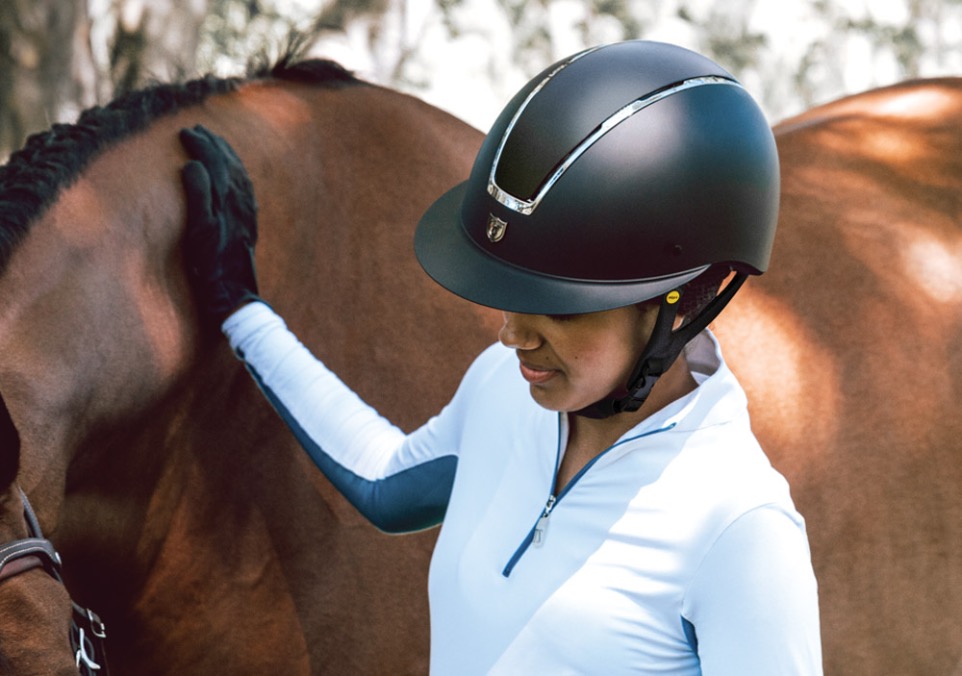
In contrast, bike helmets are generally lighter and more ventilated. They are designed to absorb the energy of a single, direct impact—usually to the front or side of the head. The foam liner in a cycling helmet is often thinner, and the helmet may have large vents for airflow, which are less common in riding helmets due to the need for greater coverage and protection.
Some modern helmets for both sports incorporate advanced technologies, such as the MIPS (Multi-directional Impact Protection System), which helps reduce rotational forces during an angled impact. However, the core design differences remain rooted in the unique risks of each activity.
Safety Standards: Certification and Testing
Another crucial aspect of the difference between riding helmets and bike helmets is the safety standards they must meet. Equestrian helmets are tested to withstand impacts from falls at higher elevations and are subject to certifications such as ASTM F1163, PAS015, or VG1. These standards require helmets to protect against sharp object penetration and to provide coverage for the back and sides of the head.
Bicycle helmets, on the other hand, are certified under standards like CPSC (Consumer Product Safety Commission) in the United States or EN 1078 in Europe. These tests focus on impacts from lower heights and typically do not require the same level of penetration resistance or rear coverage as equestrian helmets.
It’s important to note that wearing a helmet that lacks the appropriate certification for your activity may not provide the level of protection you expect. For more details on how helmet standards differ internationally, see this comparison of the difference between UK and US riding standards.
Fit and Retention: Keeping the Helmet Secure
Proper fit is essential for any helmet to function as intended. Horseback riding helmets are designed to stay securely in place during a fall or sudden movement, often featuring a snug, adjustable harness and a deeper fit around the head. This helps prevent the helmet from shifting or coming off during a tumble.
Bike helmets usually have an adjustable dial or strap system for fit, but they may sit higher on the head and offer less coverage at the back. While this design improves ventilation, it may not provide the same level of security in the types of falls common in equestrian sports.
If you’re unsure about how to achieve the best fit, learning about the importance of a secure helmet retention system can help you understand why a well-fitted helmet is vital for your safety.
Impact Scenarios: Real-World Differences in Accidents
The types of accidents encountered in horseback riding and cycling are quite different. A fall from a horse can result in a vertical impact from a height of five feet or more, often onto uneven terrain. There’s also the risk of being kicked or stepped on by the horse, which is why equestrian helmets are built to withstand both blunt and sharp impacts.
In contrast, most cycling accidents involve forward or sideways falls, often at speed, but from a lower height. The main concern is impact with the road or a vehicle, which is why bike helmets prioritize lightweight construction and energy absorption for these scenarios.

Choosing the Right Helmet for Your Activity
Given these differences, it’s clear that using the correct helmet for your chosen activity is essential. Never substitute a bike helmet for horseback riding, or vice versa. Each helmet is specifically engineered for the unique risks and impacts of its sport.
When shopping for a new helmet, always check for the relevant safety certifications and ensure the helmet fits snugly and comfortably. If you need guidance on sizing, you can learn how to measure head circumference for horses to get the most accurate fit for equestrian helmets.
For those involved in multiple disciplines, such as eventing, it’s also important to understand how to choose a helmet for eventing to ensure you’re protected across all phases of competition.
Frequently Asked Questions
Can I Use a Bike Helmet for Horseback Riding?
No, you should not use a bike helmet for horseback riding. The two types of helmets are designed for different impact scenarios and safety standards. Equestrian helmets provide more coverage and protection against the types of falls and injuries common in horseback riding.
What Certifications Should I Look for in a Riding Helmet?
Look for certifications such as ASTM F1163, PAS015, or VG1 when choosing a riding helmet. These standards ensure the helmet has been tested for the specific risks associated with equestrian sports.
How Often Should I Replace My Helmet?
Helmets should be replaced after any significant impact, even if there’s no visible damage. Additionally, manufacturers generally recommend replacing helmets every 3–5 years due to material degradation and advances in safety technology.
Summary: Key Takeaways on Helmet Safety
Understanding the difference between riding helmets and bike helmets is critical for your safety. Each helmet type is engineered for the unique demands of its sport, with differences in construction, certification, fit, and protection. Always use the appropriate helmet for your activity, check for the right certifications, and ensure a secure fit to maximize your protection. Making an informed choice can help prevent serious injury and keep you safe while enjoying your favorite activities.