


Choosing the right riding helmet is one of the most important decisions for any equestrian, whether you’re just starting out or competing at the highest levels. The difference between entry-level and professional helmets goes far beyond price. It encompasses safety certifications, materials, comfort, technology, and even the intended use. Understanding these distinctions can help riders make informed choices that protect their safety and enhance their riding experience.
This article explores the key contrasts between basic and advanced helmet options, highlighting what sets each apart and how to determine which type is best suited for your needs. If you’re interested in more specialized advice, such as how to choose a helmet for eventing or understanding the role of helmet weight and fit, there are additional resources linked throughout this guide.
Core Differences: Safety Standards and Certifications
One of the most significant distinctions between entry-level and professional riding helmets is the range and rigor of safety certifications. All helmets sold for equestrian use must meet minimum standards, but higher-end models often exceed these requirements or incorporate additional certifications.
- Entry-level helmets typically meet basic standards such as ASTM/SEI or CE. These ensure a minimum level of impact protection and retention system strength.
- Professional helmets often carry multiple certifications, including advanced standards like PAS015 or Snell, and may integrate technologies such as MIPS (Multi-directional Impact Protection System) for enhanced rotational impact protection. For more on this, see this detailed explanation of MIPS helmet technology.
While both types offer basic protection, the advanced testing and features in professional-grade helmets provide added peace of mind, especially for those riding at speed, jumping, or competing.
Materials and Construction: What Sets Them Apart
The difference between entry-level and professional helmets is also evident in the materials used and the quality of construction. Entry-level options are designed to be affordable and accessible, often using standard EPS foam liners and ABS plastic shells. These materials provide adequate protection for casual riding and beginners.
In contrast, professional helmets are engineered with premium materials:
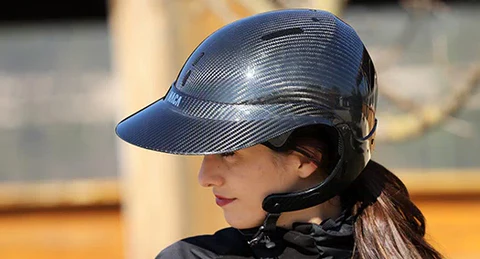
- Shells made from composite fibers, carbon fiber, or high-grade polycarbonate for improved strength and lighter weight.
- Linings that incorporate advanced foams, moisture-wicking fabrics, and antimicrobial treatments for better comfort and hygiene.
- More robust ventilation systems and removable, washable liners for long-term use.
This attention to detail not only enhances safety but also improves comfort and durability, making professional helmets a preferred choice for frequent riders and competitors.

Comfort, Fit, and Adjustability: Everyday Wearability
Comfort is a crucial factor, especially for those who spend hours in the saddle. Entry-level helmets usually feature basic adjustment systems, such as dial-fit or simple straps, and may offer limited size ranges. Padding is functional but may not provide the best long-term comfort.
Professional helmets, on the other hand, are designed for a customized fit. They often include:
- Multiple shell sizes and interchangeable liners to accommodate a wider range of head shapes and sizes.
- Advanced adjustment mechanisms for precise fit and stability.
- Superior ventilation and sweat management, reducing heat buildup during intense activity.
For those with specific needs, such as oval-shaped heads, expert tips on how to fit a riding helmet for oval heads can further improve comfort and safety.
Technology and Innovation: Advanced Features in High-End Helmets
Another area where the difference between entry-level and professional helmets becomes clear is in the adoption of new technologies. While entry-level models focus on essential protection, advanced helmets may offer:
- Impact-reducing technologies like MIPS or WaveCel to address specific types of brain injury risks.
- Integrated communication systems or compatibility with helmet cameras for training and competition analysis.
- Enhanced visors, removable peaks, and customizable features for various disciplines.
These innovations are particularly valuable for riders who compete, train intensively, or want the latest in safety science.
Durability, Maintenance, and Longevity
Entry-level helmets are built to be affordable and accessible, but they may not withstand heavy use or repeated impacts as well as their professional counterparts. Professional helmets are constructed with longevity in mind, using higher-quality materials and more robust assembly methods. This makes them a better investment for riders who train or compete regularly.
Proper care and maintenance are essential for any helmet. For tips on protecting your helmet during storage or travel, see advice on how to protect a riding helmet during shipping. Regular inspection and timely replacement are crucial, especially after a fall or significant impact.
Price and Value: Making the Right Investment
The cost gap between entry-level and professional helmets can be significant. Entry-level options are generally priced for accessibility, making them suitable for beginners or those who ride occasionally. Professional helmets, with their advanced features and premium materials, command a higher price but offer greater value in terms of safety, comfort, and durability.
When deciding which helmet to purchase, consider:
- How often you ride and the level of risk involved in your discipline.
- Your budget and willingness to invest in long-term safety and comfort.
- Whether you need specialized features, such as advanced ventilation or impact protection technologies.
For those concerned about neck comfort during long rides, evaluating helmet weight is also important. Learn more about how to evaluate helmet weight for neck comfort to make an informed decision.
Choosing the Best Helmet for Your Needs
The right helmet depends on your riding goals, budget, and personal preferences. Beginners or casual riders may find entry-level helmets sufficient for their needs, provided they meet recognized safety standards. However, for those who ride frequently, compete, or want the latest in safety technology, investing in a professional helmet is often the best choice.
Regardless of your selection, always ensure your helmet fits properly, is worn correctly, and is replaced after any significant impact. For more on how the outer shell contributes to safety, see understanding the role of the outer shell in helmet design.
Frequently Asked Questions
Are professional riding helmets always safer than entry-level models?
Professional helmets often provide enhanced protection due to advanced materials, multiple safety certifications, and innovative features. However, any helmet that meets recognized safety standards will offer a basic level of protection. The added safety in professional models comes from exceeding those standards and incorporating new technologies.
How often should I replace my riding helmet?
It’s recommended to replace your helmet every 3-5 years, or immediately after a significant impact or fall. Even if there are no visible signs of damage, the internal structure may be compromised. Regular inspection and proper care can extend the life of your helmet, but safety should always come first.
Can I use an entry-level helmet for competitions?
Some competitions allow entry-level helmets as long as they meet the required safety certifications. However, professional helmets are often preferred for their superior protection, comfort, and compliance with stricter event regulations. Always check the rules of your specific discipline or event before competing.