

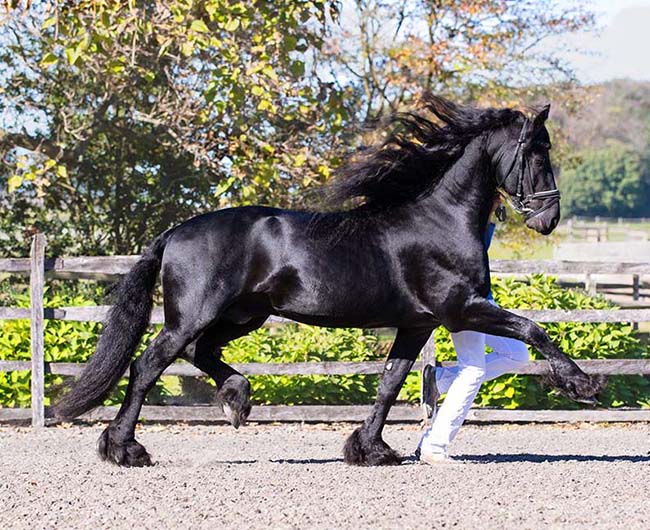
Proper pasture management for Friesian horses is essential for maintaining the health, vitality, and performance of these majestic animals. Friesians are known for their striking appearance and athleticism, but their well-being depends heavily on the quality of their grazing environment. Thoughtful land care not only supports optimal nutrition but also helps prevent common health issues and ensures the sustainability of your pasture for years to come.
Whether you are caring for a single Friesian or managing a larger herd, understanding the unique needs of this breed and the principles of effective grazing management will make a significant difference. This article covers key strategies for maintaining lush, healthy fields, addresses common challenges, and provides practical tips for rotational grazing, weed control, and soil health. For additional insights into Friesian horse care, you may also find value in our guide on Friesian horse grooming tips.
Understanding Friesian Horse Needs in Pasture Settings
Friesians are large, powerful horses with specific dietary and environmental requirements. Their metabolism and digestive systems are sensitive to abrupt changes, and they thrive best on consistent, high-quality forage. Unlike some hardier breeds, Friesians can be prone to metabolic issues such as laminitis if allowed unrestricted access to rich grass, especially during spring flushes. Therefore, a balanced approach to grazing management for Friesian horses is crucial.
Key considerations for Friesian pastures include:
- Forage Quality: Aim for a mix of grasses and legumes that provide steady nutrition throughout the grazing season.
- Pasture Size: Allow at least 1.5 to 2 acres per horse to prevent overgrazing and soil compaction.
- Shade and Shelter: Provide natural or artificial shade to protect Friesians from sunburn and heat stress, as their dark coats absorb more heat.
- Water Access: Ensure clean, fresh water is always available, as Friesians require ample hydration, especially in warm weather.
Rotational Grazing Strategies for Friesian Horses
Implementing a rotational grazing system is one of the most effective ways to maintain healthy fields and support the well-being of your Friesians. This approach involves dividing the pasture into smaller paddocks and moving horses regularly to allow grazed areas to recover. Rotational grazing helps maintain sward density, reduces parasite loads, and encourages more uniform manure distribution.
Best practices for rotational grazing include:
- Divide the pasture into at least four sections, rotating horses every 7–14 days depending on grass growth and weather conditions.
- Rest each paddock for at least 21–30 days before reintroducing horses.
- Monitor grass height; avoid grazing below 3–4 inches to protect root systems and promote regrowth.
- Use temporary fencing for flexibility and to adjust paddock sizes as needed.
Adopting rotational grazing not only benefits your Friesians but also improves the resilience and productivity of your land.
Maintaining Soil Health and Preventing Overgrazing
Healthy soil is the foundation of productive pastures. Friesians, due to their size and weight, can compact soil more than lighter breeds, making soil management a priority. Overgrazed or compacted land loses its ability to support robust forage growth and becomes susceptible to weeds and erosion.
To maintain soil health:
- Test soil annually to monitor pH and nutrient levels. Aim for a pH between 6.0 and 7.0 for optimal grass growth.
- Apply lime and fertilizers based on soil test recommendations, avoiding over-application that can harm the environment.
- Use aeration tools to relieve compaction, especially in high-traffic areas such as gates and water troughs.
- Reseed bare patches with suitable grass species to maintain ground cover and reduce weed invasion.
Regularly rotating horses and resting paddocks will help prevent overgrazing and allow the pasture to recover naturally.
Weed Control and Toxic Plant Management
Weeds compete with desirable grasses for nutrients and can reduce the quality of forage available to your Friesians. Some plants, such as ragwort, buttercup, and certain nightshades, are toxic to horses and must be controlled proactively.
Effective weed management includes:
- Regularly walk the pasture to identify and remove toxic plants by hand or with targeted herbicide application.
- Maintain dense, healthy grass cover to outcompete weeds naturally.
- Use mowing to prevent weeds from seeding, but avoid cutting too short, which can stress grasses.
- Dispose of pulled weeds safely to prevent accidental ingestion.
For more information on Friesian breed characteristics and care, refer to this comprehensive Friesian horse breed overview.
Seasonal Land Care Tips for Friesian Horse Owners
Each season brings unique challenges and opportunities for those managing pastures for Friesians. Adapting your care routine throughout the year will help keep your fields productive and your horses healthy.
- Spring: Monitor for rapid grass growth and restrict access if necessary to prevent laminitis. Begin rotational grazing and address any winter damage to fencing or ground cover.
- Summer: Provide ample shade and water. Watch for heat stress and maintain regular mowing to control weeds.
- Autumn: Gradually reduce grazing time as grass growth slows. Overseed thin areas and prepare for winter by checking drainage and shelter.
- Winter: Limit turnout during wet conditions to prevent soil damage. Supplement with hay as needed, and use sacrifice areas to protect main pastures.
For Friesians recovering from intense exercise or injury, proper land management can support their rehabilitation. Explore our resource on Friesian horse recovery and rest for more targeted advice.
Best Practices for Parasite Control in Friesian Pastures
Parasite management is a vital part of pasture management for Friesian horses. Grazing horses are exposed to internal parasites, which can impact their health and performance. Integrated parasite control combines good pasture hygiene with strategic deworming.
Recommendations include:
- Remove manure from paddocks at least twice weekly to break the parasite life cycle.
- Rotate pastures and avoid overstocking to reduce parasite burden.
- Consider cross-grazing with cattle or sheep, as this can help disrupt equine parasite cycles.
- Work with your veterinarian to develop a targeted deworming schedule based on fecal egg counts.
Frequently Asked Questions
How much pasture does a Friesian horse need?
Each Friesian requires at least 1.5 to 2 acres of well-maintained pasture to ensure adequate forage and prevent overgrazing. This allows for healthy grass regrowth and reduces the risk of soil compaction.
What grasses are best for Friesian horse pastures?
Cool-season grasses such as timothy, orchardgrass, and Kentucky bluegrass, often mixed with legumes like clover, provide balanced nutrition and are well-suited for Friesians. Avoid pastures dominated by rich ryegrass or fescue, which can increase the risk of laminitis.
How can I prevent laminitis in Friesians on pasture?
Limit access to lush, fast-growing grass, especially in spring and after rain. Use grazing muzzles if needed, rotate paddocks, and monitor your horse’s weight and hoof health regularly. Consult your veterinarian for personalized advice.
Conclusion
Effective pasture management for Friesian horses is a blend of science and attentive care. By focusing on rotational grazing, soil health, weed control, and seasonal adjustments, you can create a thriving environment for your horses and your land. For those considering expanding their Friesian family, our article on Friesian horse adoption information offers guidance on finding reputable rescues and sanctuaries. With the right approach, your Friesians will enjoy nutritious grazing, and your pastures will remain productive for years to come.