

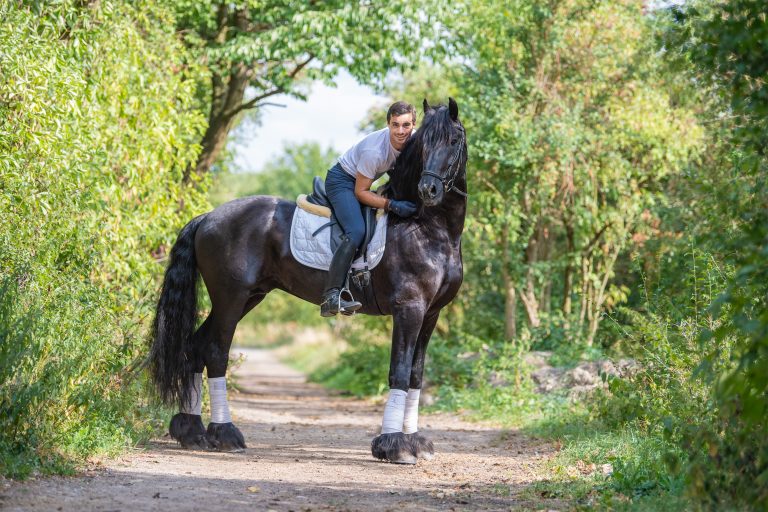
The Friesian horse is renowned for its striking appearance, gentle temperament, and intelligence. Understanding the unique behavioral traits of this breed is essential for anyone who owns, rides, or cares for a Friesian. By learning how these horses communicate, respond to their environment, and interact with humans, you can build a stronger, more trusting partnership. This guide provides a comprehensive look at what makes Friesians tick, how to interpret their actions, and practical tips for managing their needs.
Whether you’re new to Friesians or have years of experience, gaining insight into their behavior helps you anticipate their reactions and create a positive environment. For those interested in equestrian safety, don’t miss our resource on how to find the right riding helmet for your head shape, which is especially relevant for Friesian riders due to their breed’s size and movement.
Key Traits of Friesian Equine Temperament
Friesians are known for their calm disposition and willingness to work with humans. Unlike some hot-blooded breeds, Friesians tend to be level-headed and forgiving, making them suitable for riders of varying skill levels. Their intelligence and curiosity mean they pick up new tasks quickly, but they also require mental stimulation to stay engaged.
- Sensitivity: Friesians are attuned to their handler’s mood and body language. They respond best to gentle, consistent cues rather than harsh corrections.
- Social Nature: These horses thrive on interaction, both with people and other horses. Isolation can lead to boredom or anxiety.
- Playfulness: Friesians enjoy play, especially in turnout. This can manifest as running, bucking, or engaging with toys.
Understanding these core traits is the foundation for interpreting more subtle behaviors and building a strong bond.
Reading Body Language and Communication
Interpreting a Friesian’s body language is key to understanding their needs and emotions. Their expressive faces, posture, and vocalizations provide valuable clues:
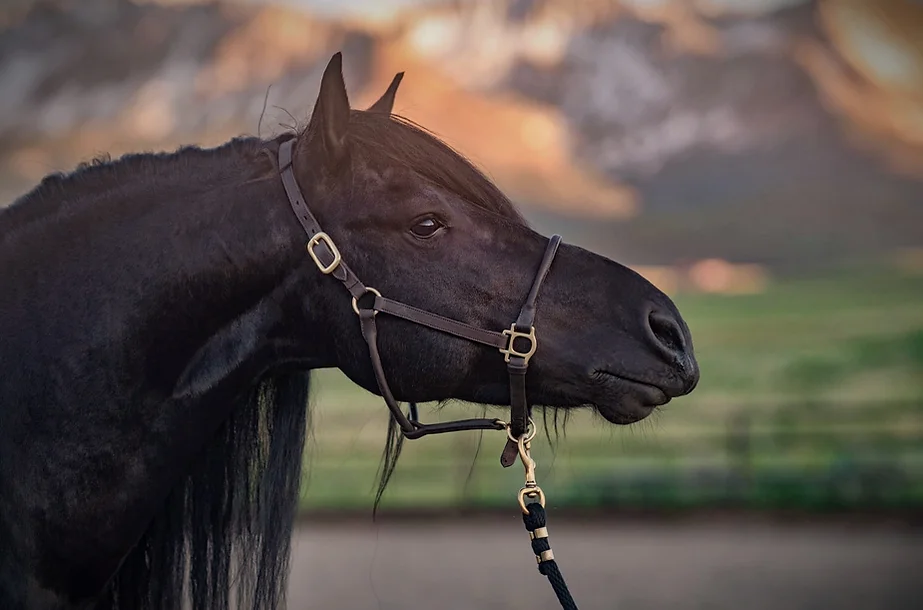
- Ears: Forward ears indicate interest or curiosity, while pinned ears suggest irritation or discomfort.
- Eyes: Soft, relaxed eyes signal calmness. Wide eyes may mean fear or excitement.
- Tail: A gently swishing tail is normal, but a rapidly moving tail could indicate annoyance or agitation.
- Vocalizations: Friesians may nicker or whinny to greet familiar people or horses, or when seeking attention.
By paying attention to these signals, you can respond appropriately and avoid misunderstandings that might lead to stress or unwanted behaviors.
Common Challenges and Solutions in Friesian Horse Behavior
While Friesians are generally easy to handle, certain behavioral issues can arise if their needs aren’t met. Here are some common challenges and practical solutions:
Separation Anxiety
Due to their social nature, Friesians may become anxious when separated from companions. Signs include calling, pacing, or refusal to eat. Gradual desensitization and providing a stable routine can help reduce anxiety. If possible, allow your horse to see or hear other horses during stressful times.
Stubbornness or Resistance
Occasionally, Friesians may seem stubborn, especially if they’re confused or bored. This is often a sign that they need clearer communication or more varied activities. Break tasks into smaller steps and reward progress to keep them motivated.
Spooking and Startle Responses
Although generally calm, Friesians can be startled by sudden movements or unfamiliar objects. Building confidence through gradual exposure and positive reinforcement helps reduce spooking over time.
For more on the versatility and suitability of Friesians in different disciplines, see this in-depth look at Friesian sport horses and their competition potential.
Training and Enrichment for Friesians
Keeping a Friesian mentally and physically engaged is vital for their well-being. Their intelligence and eagerness to learn make them excellent candidates for a variety of activities:
- Groundwork: Regular groundwork sessions build trust and reinforce good manners.
- Dressage: Friesians excel in dressage thanks to their natural movement and willingness to work.
- Trail Riding: Exploring new environments provides stimulation and helps reduce boredom.
- Obstacle Courses: Introducing obstacles in a controlled setting encourages problem-solving and confidence.
Incorporating enrichment—such as toys, varied routines, and social interaction—prevents undesirable behaviors that stem from boredom or frustration.
Bonding and Building Trust with Your Friesian
Developing a deep connection with your Friesian takes time and patience. Consistency, positive reinforcement, and respect for their sensitivities are key. Spend time grooming, hand-walking, and simply being present in their environment. These activities foster trust and help your horse feel secure.
Grooming is not only essential for health but also serves as a bonding ritual. Using quality grooming products, such as those highlighted above, can make the experience more enjoyable for both you and your horse.
Remember, every Friesian is an individual. While breed tendencies provide a general guide, paying attention to your horse’s unique preferences and quirks will help you tailor your approach for the best results.
Frequently Asked Questions
Are Friesians Suitable for Beginners?
Friesians are often recommended for riders with some experience due to their size and strength. However, their gentle nature and willingness to learn make them manageable for beginners who work with a knowledgeable trainer and prioritize safety.
How Do Friesians React to New Environments?
Most Friesians adapt well to new surroundings if introduced gradually. Their calm temperament helps them handle change, but providing familiar routines and companions eases the transition.
What Is the Best Way to Address Behavioral Issues?
Addressing unwanted behaviors in Friesians starts with understanding the root cause—whether it’s boredom, confusion, or anxiety. Use positive reinforcement, clear communication, and enrichment to redirect behavior. Consulting a professional trainer can also be beneficial for persistent issues.
For more tips on equestrian safety and gear, explore our articles on impact of age on helmet protective foam and the importance of a secure helmet retention system.