

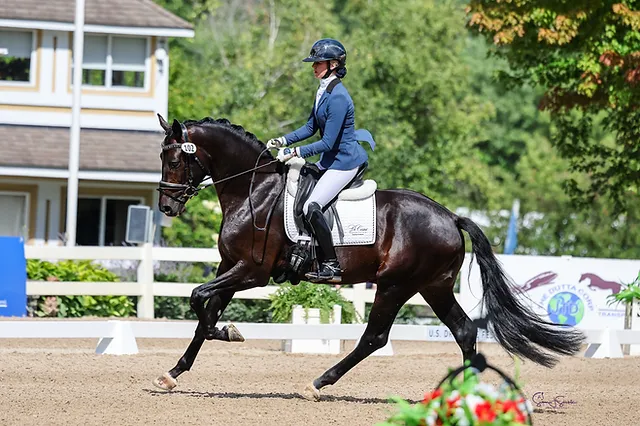
Dressage is often described as the art of harmonious movement between horse and rider. While the basics focus on rhythm, relaxation, and straightness, the upper levels introduce a new dimension of complexity. For riders looking to deepen their understanding, exploring advanced dressage concepts explained can transform both training and performance. This guide breaks down key principles, techniques, and strategies that define advanced work, helping equestrians refine their skills and achieve greater connection with their horses.
Before diving into the technicalities, it’s important to recognize that mastery of these ideas requires patience, consistent practice, and a strong foundation in the fundamentals. Riders should also prioritize safety, including the correct use of equipment. For those interested in protective gear, our resource on how to choose a helmet for eventing offers practical advice on selecting the right helmet for all phases of riding.
Key Elements of Advanced Dressage Training
At the upper levels, dressage becomes a nuanced dialogue. The following elements are essential for riders aiming to progress beyond the basics:
- Collection: This refers to the horse’s ability to carry more weight on its hindquarters, resulting in increased lightness and balance. Collection is the foundation for movements such as piaffe, passage, and pirouette.
- Impulsion: True impulsion is not just about energy, but about controlled, forward movement that comes from behind. It allows for expressive gaits and seamless transitions.
- Engagement: Engagement involves the horse’s hind legs stepping further underneath the body, supporting both collection and impulsion.
- Self-Carriage: A horse in self-carriage maintains balance and posture without relying on the rider’s hands for support.
Understanding Lateral Movements and Their Importance
Lateral work is a hallmark of advanced dressage. Movements such as shoulder-in, travers (haunches-in), and half-pass develop suppleness, straightness, and obedience. These exercises encourage the horse to move away from the rider’s leg, increase flexibility, and build strength.
For example, the shoulder-in asks the horse to move forward and sideways simultaneously, with the inside foreleg and hind leg crossing over the outside legs. This movement improves balance and prepares the horse for more complex work.
Movements That Define Upper-Level Dressage
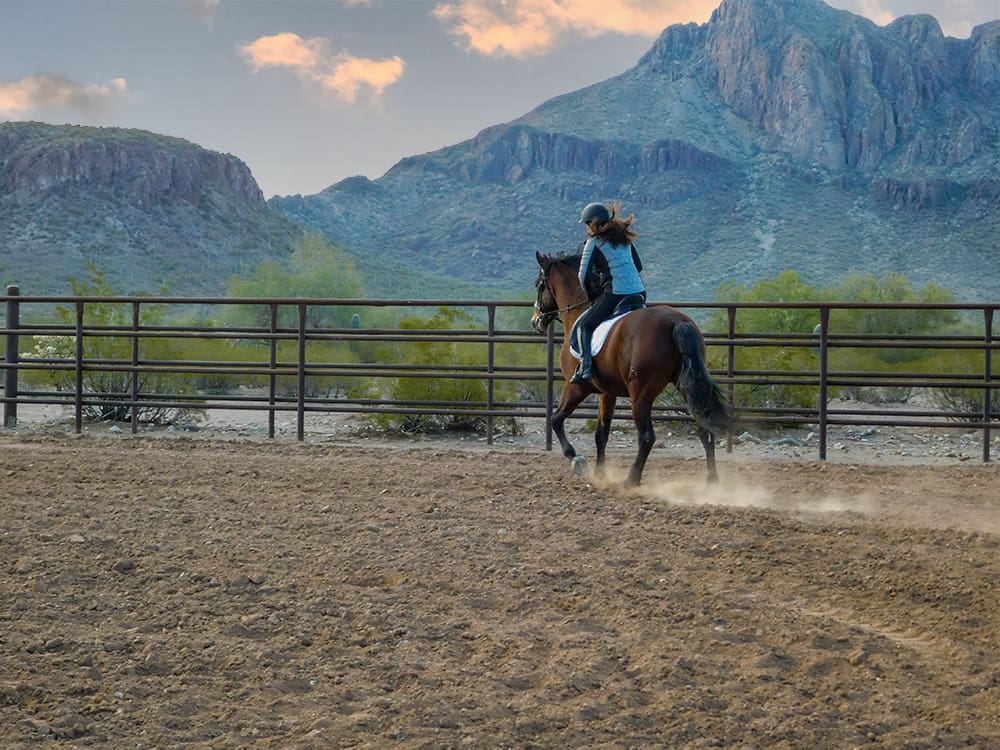
As riders progress, they encounter a range of advanced movements that test both horse and rider. Some of the most notable include:
- Piaffe: A highly collected trot in place, demonstrating the horse’s strength, balance, and obedience.
- Passage: An elevated, cadenced trot with pronounced suspension and engagement.
- Canter Pirouette: The horse turns around its hindquarters in a very collected canter, requiring precise aids and balance.
- Flying Changes: The horse changes the leading leg in canter at the rider’s command, often performed in sequence (tempi changes).
Mastery of these movements is a testament to the partnership and communication between horse and rider. Each requires subtle aids, timing, and a deep understanding of biomechanics.
Refining the Rider’s Aids and Communication
At the heart of advanced dressage is invisible communication. Riders must develop independent seat, hands, and legs, allowing them to give clear, subtle cues. The use of half-halts, weight shifts, and precise leg placement becomes increasingly important.
Consistency in training is crucial. Horses learn best through repetition and positive reinforcement. Riders should also be attentive to their own position, as even small imbalances can affect the horse’s performance.
Developing the Horse’s Physical and Mental Abilities
Advanced work requires both physical strength and mental focus from the horse. Conditioning should include a mix of gymnastic exercises, stretching, and rest days. Cross-training, such as hacking or cavaletti work, can help prevent boredom and overuse injuries.
Mental relaxation is equally important. Horses that are tense or anxious cannot perform at their best. Building trust through consistent routines and clear expectations sets the stage for progress.
Common Challenges in Advanced Dressage Work
Even experienced riders face obstacles as they move into higher-level training. Some common issues include:
- Loss of Rhythm: Maintaining a consistent tempo becomes more difficult as movements become more collected.
- Resistance or Tension: Horses may resist new demands, especially if asked for too much, too soon.
- Inconsistent Contact: Developing a steady, elastic connection with the reins is essential for communication.
- Physical Limitations: Not every horse is built for the highest levels, and it’s important to work within the horse’s capabilities.
Addressing these challenges requires patience, a willingness to revisit basics, and sometimes the guidance of a knowledgeable trainer.
Resources for Further Learning
Riders interested in deepening their knowledge can benefit from clinics, lessons with experienced coaches, and reputable online resources. For those new to the discipline or seeking a refresher, this comprehensive introduction to dressage provides a helpful overview of the sport’s foundations and progression.
Additionally, investing in the right equipment—such as a properly fitted saddle and protective hoof care—can support both horse and rider as they advance.
Frequently Asked Questions
What is the difference between collection and engagement in dressage?
Collection refers to the horse shortening its frame and carrying more weight on the hindquarters, resulting in increased balance and lightness. Engagement is about the hind legs stepping further underneath the body, supporting collection and allowing for greater impulsion and elevation in movement.
How can I improve my horse’s lateral work?
Start with basic exercises such as leg-yield and shoulder-in to develop suppleness and responsiveness. Focus on clear aids, gradual progression, and rewarding small improvements. Consistent practice and occasional guidance from an experienced instructor can help refine both your technique and your horse’s understanding.
Are there specific breeds better suited for advanced dressage?
While any horse can benefit from dressage training, breeds with natural athleticism, balance, and movement—such as Warmbloods—often excel at the highest levels. However, with correct training and conditioning, many horses can perform advanced movements to the best of their individual ability.