

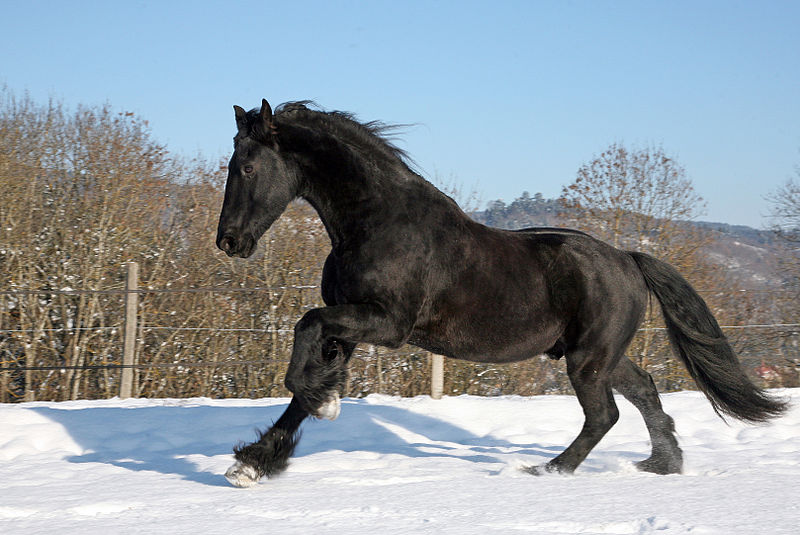
Choosing the right horse for riding, competition, or companionship requires more than just admiration for a beautiful coat or striking color. A deeper look at understanding horse breed characteristics—specifically conformation and temperament—can help ensure a good match between horse and handler. These traits influence a horse’s abilities, comfort, and suitability for specific disciplines or lifestyles.
Conformation refers to the physical build and structure of a horse, while temperament encompasses behavioral tendencies and personality. Both aspects are shaped by genetics and selective breeding, making them key factors in breed identification and selection. Whether you’re a first-time horse owner or an experienced equestrian, recognizing these qualities can improve your relationship with your horse and support responsible ownership.
For those interested in specific breeds, the complete guide to Friesian horses offers an in-depth look at one of the most beloved and recognizable breeds, highlighting how conformation and temperament come together in practice.
Why Conformation Matters in Horse Selection
Conformation directly affects a horse’s movement, comfort, and long-term health. Good structure supports athletic ability, reduces the risk of injury, and can even influence a horse’s suitability for certain activities. When evaluating breed characteristics, pay close attention to these physical features:
- Head and Neck: The shape and set of the head and neck influence balance and communication. For example, an arched neck is often seen in breeds used for dressage.
- Shoulders: Well-sloped shoulders contribute to a smoother gait and greater stride length, important for riding comfort and performance.
- Back and Loin: A strong, short back provides support for riders and helps prevent back issues.
- Legs and Hooves: Straight, well-aligned legs and healthy hooves are crucial for soundness and longevity.
- Body Proportions: Balanced proportions between the front, middle, and hindquarters allow for efficient movement and agility.
Each breed standard outlines the ideal conformation for that type, reflecting the work or purpose for which the breed was developed. For instance, draft breeds have heavier builds for pulling, while lighter breeds are designed for speed or agility.
Temperament: The Heart of Breed Differences
While physical traits are easy to observe, temperament often reveals itself over time. Understanding horse breed characteristics from a behavioral perspective is essential for safety and enjoyment. Temperament includes:
- Trainability: Some breeds are known for their willingness to learn and work with humans, making them ideal for beginners or specific disciplines.
- Energy Level: High-spirited breeds may excel in sports but require experienced handling, while calmer breeds are often chosen for therapy or leisure riding.
- Sociability: Certain horses thrive on interaction and attention, while others are more independent.
- Sensitivity: Highly sensitive breeds respond quickly to cues but may also react strongly to new situations.
Breed history plays a significant role in shaping temperament. For example, the Friesian is celebrated for its gentle nature and willingness to please, making it a favorite for both driving and dressage. To explore this further, the Friesian horse breed profile provides detailed insights into what makes this breed unique.
Key Differences Among Popular Breeds
Every breed has a unique combination of conformation and temperament, developed over generations to suit specific needs. Here are a few examples that illustrate the diversity found in the equine world:
- Arabian: Known for endurance, a dished face, and high tail carriage. Arabians are intelligent and spirited, often forming strong bonds with their handlers.
- Quarter Horse: Compact and muscular, with a calm and steady temperament. They excel in western disciplines and are popular for their versatility.
- Thoroughbred: Tall and athletic, bred for speed and agility. These horses are energetic and sensitive, requiring experienced riders.
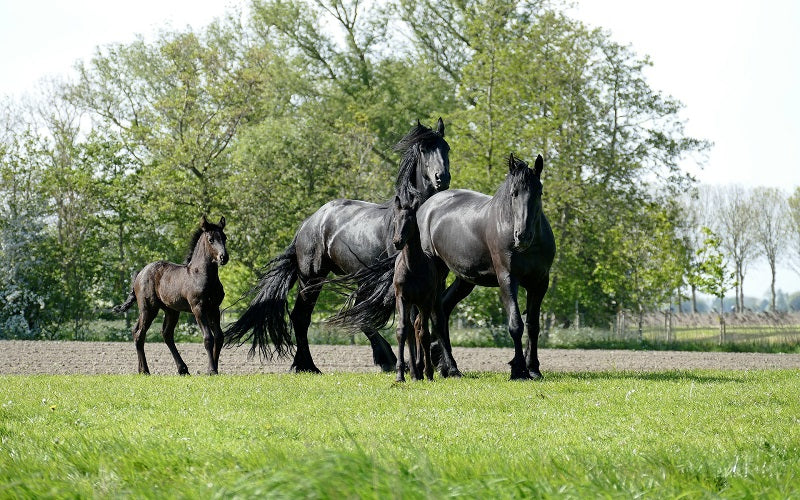
- Friesian: Recognized for their striking black coats, feathered legs, and gentle disposition. Friesians are often chosen for driving and dressage due to their elegant movement and cooperative nature.
Understanding these distinctions helps match horses to the right activities and owners, reducing frustration and promoting welfare.
Evaluating Conformation and Temperament in Practice
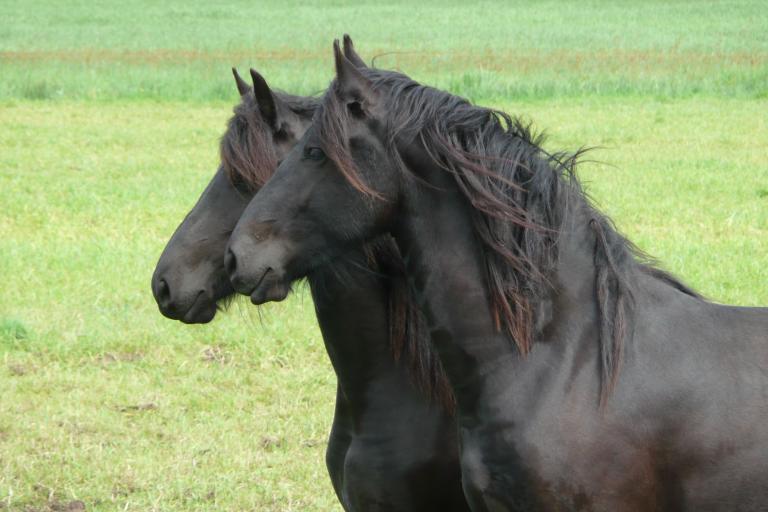
When assessing a horse, it’s important to look at both physical and behavioral traits together. Here are some practical steps:
- Observe Movement: Watch the horse walk and trot. Look for smooth, even strides and balanced movement.
- Check Structure: Examine the horse’s legs, back, and neck for alignment and proportion. Avoid horses with obvious structural faults that could lead to discomfort or lameness.
- Interact: Spend time with the horse in different settings. Note how it reacts to new people, noises, and environments.
- Ask for History: Learn about the horse’s background, including previous training and handling experiences.
- Consult Professionals: Veterinarians and experienced trainers can provide valuable input on both conformation and temperament.
For a deeper dive into equine behavior, the article on equine behavior and communication explains how to interpret body language and signals, which can be especially helpful when evaluating a horse’s personality.
How Breed Characteristics Influence Horse Ownership
Recognizing the nuances of horse breed conformation and temperament can make a significant difference in daily care, training, and long-term satisfaction. Owners who choose horses based on informed criteria are more likely to enjoy a positive, lasting partnership. Consider the following:
- Discipline Suitability: Some breeds are naturally better suited for jumping, while others excel in endurance or western riding.
- Care Requirements: Temperament affects how horses respond to grooming, veterinary care, and new experiences.
- Time Commitment: High-energy breeds may need more exercise and mental stimulation, while calmer horses might be content with lighter routines.
Before making a commitment, review resources like the guide on horse ownership responsibilities to understand the daily duties and costs involved.
Frequently Asked Questions
What is the difference between conformation and temperament in horses?
Conformation refers to the horse’s physical structure—how its bones, muscles, and joints are aligned—while temperament describes its behavioral traits, such as energy level, sociability, and trainability. Both are influenced by genetics and breed history.
How do I know which breed is right for me?
Consider your riding goals, experience level, and lifestyle. Research breed standards and talk to breeders or trainers. Spending time with different breeds and reading resources like the guide to becoming a better horse owner can help clarify your preferences.
Can a horse’s temperament change over time?
While genetics set the foundation, environment, training, and handling can influence a horse’s behavior. Consistent, positive experiences often help horses become more confident and adaptable.
Conclusion
Developing a strong understanding of horse breed characteristics—from conformation to temperament—empowers owners and riders to make informed choices. By considering both physical and behavioral traits, you can select a horse that fits your needs and lifestyle, ensuring a rewarding partnership for years to come. For more tips on balancing equestrian life, check out equestrian lifestyle tips and continue exploring the world of horses with confidence.