

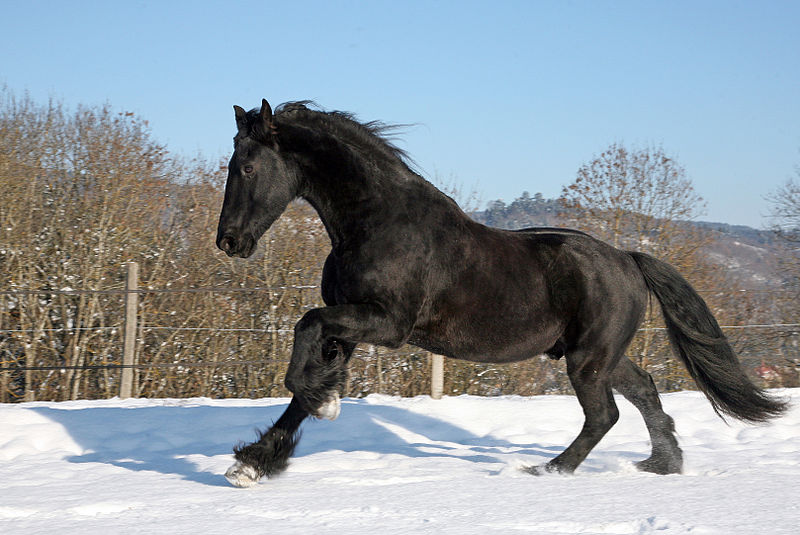
Friesian horses are admired worldwide for their striking appearance, intelligence, and gentle temperament. However, truly connecting with these majestic animals requires more than basic care and training—it involves interpreting their subtle cues and signals. Understanding Friesian horse body language is essential for building trust, ensuring safety, and enhancing your partnership with these unique horses.
While Friesians share many communication patterns with other breeds, their expressive movements and distinct personalities can offer additional insights. By learning to read their physical and behavioral signals, owners and handlers can respond appropriately to their needs and emotions. For those interested in the broader context of equine behavior and communication, recognizing these signs is a crucial skill.
Why Interpreting Friesian Horse Signals Matters
Recognizing the physical cues of Friesians is vital for anyone working closely with them. These horses often communicate their feelings, intentions, and discomfort through posture, movement, and facial expressions. Misreading or ignoring these signals can lead to misunderstandings, stress, or even dangerous situations for both horse and handler.
Developing an awareness of these nonverbal messages also helps strengthen the bond between human and horse. Friesians, known for their sensitivity, respond positively when their handlers acknowledge their signals. This mutual understanding fosters trust and cooperation, making training and daily care smoother and more enjoyable.
Key Elements of Friesian Horse Body Language
To accurately interpret Friesian communication, it’s important to observe a combination of body parts and behaviors. Here are the primary areas to focus on:
- Ears: The position and movement of the ears reveal a lot about a Friesian’s mood and focus.
- Eyes: The shape and direction of the eyes can indicate relaxation, alertness, or agitation.
- Muzzle and Mouth: Tension, chewing, or lip movements often signal emotional states.
- Neck and Head: The height and carriage of the head and neck reflect confidence, submission, or anxiety.
- Tail: Tail swishing, clamping, or relaxation are strong indicators of comfort or irritation.
- Legs and Hooves: Pawing, stamping, or shifting weight can show impatience, discomfort, or readiness to move.
Reading Ear and Eye Movements in Friesians
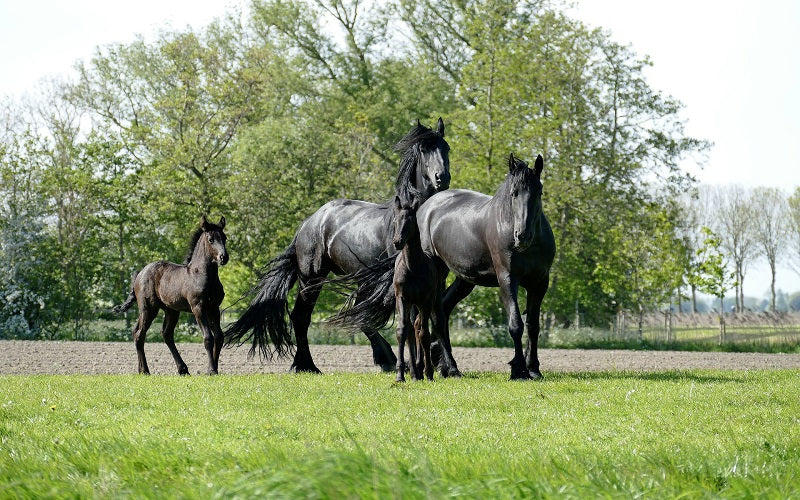
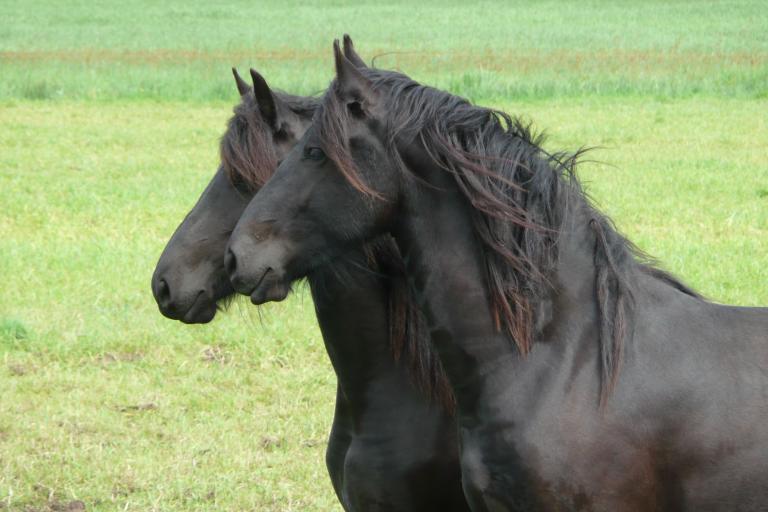
The ears and eyes are among the most expressive features of Friesian horses. Paying close attention to these areas can provide immediate clues about their emotional state.
Ears: The Direction of Attention
- Forward ears: Indicate curiosity, interest, or alertness. The horse is paying attention to something in front of them.
- Pinned back ears: A sign of irritation, discomfort, or aggression. This posture often precedes defensive actions.
- Swiveling ears: Suggests the horse is listening to multiple things at once or is uncertain about its environment.
Eyes: Windows to Mood
- Soft, relaxed eyes: Show contentment and trust. The horse feels safe and at ease.
- Wide eyes with visible whites: Indicate fear, surprise, or high alert. This is often accompanied by tense muscles and raised head.
- Rapid blinking or squinting: May signal discomfort, confusion, or stress.
For more insights into these magnificent animals, you might enjoy exploring interesting facts about Friesian horses.
Understanding Posture, Tail, and Leg Signals
Beyond the face, Friesians use their entire bodies to communicate. Observing their posture, tail, and legs can help you recognize subtle shifts in mood and intention.
Posture and Head Carriage
- High head and arched neck: Shows alertness, confidence, or excitement. This is common when Friesians are showing off or responding to new stimuli.
- Lowered head: Indicates relaxation, submission, or tiredness. A drooping posture may also signal illness or discomfort.
- Tense, rigid body: Suggests anxiety, fear, or readiness to flee.
Tail Movements and What They Mean
- Relaxed tail: The horse is calm and comfortable.
- Swishing tail: Can indicate irritation, especially if persistent. It may be a response to insects or frustration.
- Clamped tail: A sign of fear, pain, or submission.
Leg and Hoof Actions
- Pawing or stamping: Shows impatience, anxiety, or discomfort.
- Resting a hind leg: Indicates relaxation, especially if the horse is standing quietly.
- Shifting weight: May signal restlessness or physical discomfort.
Common Friesian Behaviors and Their Meanings
Recognizing the context of certain behaviors is key to safe and effective handling. Here are some typical actions and what they often mean in Friesians:
- Nudging or nuzzling: Friendly greeting or request for attention.
- Snorting or blowing: Alertness or mild alarm, often in response to unfamiliar sights or sounds.
- Chewing or licking: Signs of relaxation, submission, or processing new information.
- Backing away: Discomfort, fear, or uncertainty.
- Approaching calmly: Indicates trust and willingness to engage.
For those who want to ensure their Friesian’s well-being after exercise, the Friesian horse recovery and rest guide provides practical post-workout care tips.
Practical Tips for Improving Communication
Building a strong relationship with a Friesian involves more than just observing their body language. Here are some practical steps to enhance your connection:
- Spend time observing: Watch your horse in different settings to learn their unique signals.
- Stay calm and consistent: Horses mirror human emotions. Approach them with patience and clarity.
- Reward positive behavior: Use gentle praise, treats, or scratches to reinforce trust.
- Learn from experts: Consider clinics, books, or online resources focused on Friesian behavior and care.
- Respect boundaries: If your horse shows signs of discomfort, give them space and time to adjust.
For a deeper dive into the breed’s history and traits, visit this comprehensive Friesian horse breed profile.
Frequently Asked Questions
What makes Friesian horse body language unique compared to other breeds?
Friesians are known for their expressive movements and sensitivity. Their long manes and feathered legs can accentuate gestures, making some signals more noticeable. While their basic cues are similar to other horses, Friesians may display emotions more openly, especially when bonded with a trusted handler.
How can I tell if my Friesian is stressed or uncomfortable?
Look for signs such as pinned ears, wide eyes, tense muscles, tail clamping, and avoidance behaviors. Persistent pawing, restlessness, or refusal to approach can also indicate discomfort. Observing your horse’s normal behavior will help you spot changes quickly.
Are there resources for learning more about Friesian horse communication?
Yes, there are many resources available. You can explore articles on equine behavior and communication, attend clinics, or consult breed-specific guides. Connecting with experienced Friesian owners and trainers is also valuable for practical tips.
Conclusion
Developing a keen eye for Friesian horse signals is a rewarding journey that benefits both horse and handler. By paying attention to ears, eyes, posture, and other cues, you can respond to your horse’s needs with confidence and empathy. Whether you’re new to the breed or a seasoned enthusiast, ongoing observation and learning will deepen your understanding and strengthen your partnership with these remarkable horses.