

Purchasing a horse is a significant commitment that goes far beyond the initial excitement of ownership. Whether you’re a first-time buyer or an experienced equestrian, knowing the questions to ask before buying a horse is crucial to ensuring a good match and a positive experience for both you and your future equine partner. This guide outlines the most important inquiries to make, helping you avoid common pitfalls and make an informed decision.
Before you start visiting stables or browsing listings, it’s wise to understand the broader responsibilities and lifestyle changes that come with horse ownership. For a comprehensive overview of daily care, costs, and time investment, check out the horse ownership responsibilities resource. Being informed early on will help you approach the buying process with realistic expectations.
Key Considerations Before Committing to a Horse
Before meeting any potential horses, it’s essential to clarify your goals and expectations. Are you looking for a companion for leisure riding, competitive events, or breeding? Your intended use will influence the type of horse that’s suitable for you. Additionally, consider your own experience level and the resources you have available for care, training, and boarding.
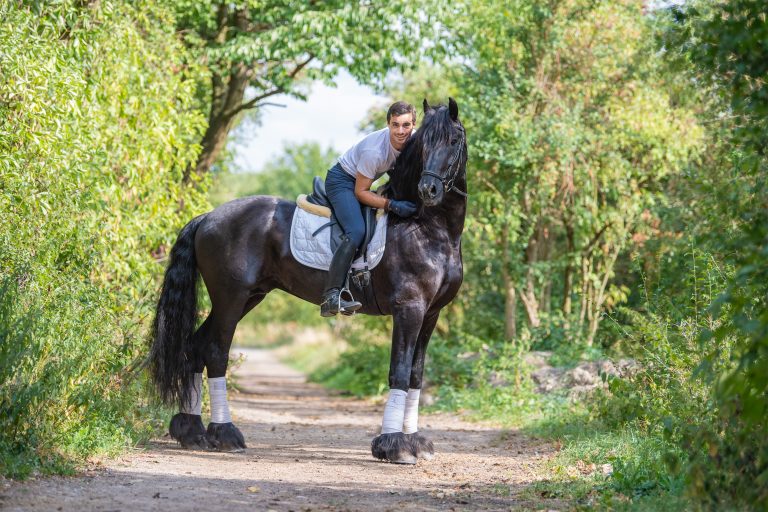
It’s also helpful to research different breeds and their characteristics. For example, if you’re interested in Friesians, the complete guide to Friesian horses offers detailed insights into their temperament, care needs, and suitability for various disciplines.
Essential Questions to Ask the Seller
When you find a horse that catches your interest, it’s time to gather detailed information from the seller. Here are the most important questions to ask before buying a horse to ensure transparency and avoid surprises:
- What is the horse’s age, breed, and gender? These basic facts affect suitability, training, and long-term care.
- What is the horse’s health history? Ask for veterinary records, vaccination status, deworming schedule, and any history of illness or injury.
- Has the horse had any recent lameness or behavioral issues? This can indicate underlying health or training problems.
- What is the horse’s training background? Find out what disciplines the horse has been trained in, the level of training, and who provided it.
- How does the horse behave under saddle and on the ground? Request specifics about temperament, responsiveness, and any quirks.
- What is the horse’s experience with children, beginners, or specific environments? This is especially important if you’re new to riding or plan to involve family members.
- Why is the horse being sold? Honest answers can reveal potential red flags or simply a change in the seller’s circumstances.
Evaluating Health and Soundness
One of the most critical steps is assessing the horse’s physical condition. Always request a pre-purchase veterinary exam, also known as a PPE. This examination will help identify any hidden health issues that could affect the horse’s suitability or longevity.
- Does the horse have a current negative Coggins test? This test screens for Equine Infectious Anemia, a serious disease.
- Are there any signs of chronic lameness, respiratory issues, or metabolic disorders? Ask the vet to check for these during the PPE.
- What is the horse’s dental condition? Dental issues can affect eating habits and overall health.
- Are there any conformation faults that could impact performance or comfort? A knowledgeable vet or trainer can help you evaluate this.
For more on understanding equine communication and body language, the equine behavior and communication article provides valuable insights into reading subtle signs of discomfort or stress.
Assessing Suitability for Your Needs
Matching a horse to your riding goals and lifestyle is just as important as health and training. Here are some additional questions to ask before buying a horse to ensure a good fit:
- What is the horse’s energy level and temperament? Some horses are naturally calm and steady, while others are spirited and require experienced handling.
- How does the horse respond to new environments or situations? Ask if the horse has traveled to shows, trails, or clinics.
- Is the horse suitable for your intended discipline? Whether you plan to jump, trail ride, or show, make sure the horse has experience or potential in that area.
- What is the horse’s maintenance routine? Find out about feeding, turnout, shoeing, and any special care requirements.
It’s also wise to ride or handle the horse yourself before making a decision. Bring a knowledgeable trainer or friend for a second opinion, and don’t rush the process.
Understanding Ownership Costs and Commitments
Owning a horse involves ongoing expenses and daily responsibilities. Before making a purchase, ask the seller about the horse’s current routine and any special needs. It’s also helpful to estimate the costs for boarding, feed, farrier, veterinary care, and equipment.
For practical advice on balancing horse care with other aspects of life, explore these equestrian lifestyle tips. Being prepared for the realities of ownership will help you provide the best care and enjoy your time with your new companion.
Red Flags and When to Walk Away
Sometimes, the answers you receive or the horse’s behavior may raise concerns. Watch for these warning signs:
- Incomplete or missing veterinary records
- Seller unwilling to allow a pre-purchase exam
- Unexplained behavioral issues or sudden changes in temperament
- Pressure to make a quick decision or reluctance to answer questions
Trust your instincts and don’t hesitate to walk away if something doesn’t feel right. There are many horses available, and finding the right one is worth the patience.
If you’re interested in learning about horses with unique qualities and competition potential, you may enjoy this in-depth look at Friesian sport horses.
Frequently Asked Questions
How important is a pre-purchase exam when buying a horse?
A pre-purchase exam by a qualified veterinarian is highly recommended. It helps uncover any underlying health or soundness issues that may not be immediately visible, protecting you from unexpected expenses or disappointment.
What should I bring when visiting a horse for sale?
Bring a knowledgeable friend or trainer, a notebook for observations, and your riding gear if you plan to try the horse. Prepare a list of questions and be ready to observe the horse’s behavior in different situations.
Can I return a horse if it doesn’t work out?
Return policies vary widely. Some sellers may offer a trial period or buy-back agreement, but many sales are final. Always clarify the terms in writing before completing the purchase.
Final Thoughts on Making an Informed Purchase
Taking the time to ask the right questions and thoroughly assess each horse will help you make a confident, informed decision. Remember, horse ownership is a long-term commitment that requires preparation, patience, and ongoing learning. For more guidance on building a strong relationship with your horse, explore tips on how to become a better horse owner.
By following the advice in this guide and seeking expert input when needed, you’ll be well-equipped to find a horse that matches your needs and brings joy for years to come.