

Wearing a helmet is a fundamental safety measure for riders, cyclists, and anyone participating in activities where head protection is required. However, simply wearing a helmet is not enough. The importance of professional helmet fitting lies in ensuring that your helmet provides the maximum level of protection, comfort, and performance. A poorly fitted helmet can compromise safety, reduce effectiveness, and even increase the risk of injury in the event of an accident.
Understanding how a helmet should fit and why expert fitting matters is crucial for anyone serious about safety. This article explores the reasons why a tailored fit is so important, the risks of improper sizing, and how to ensure your helmet offers the best protection possible. For those interested in specific helmet types or unique head shapes, you may find additional tips in resources like how to fit a riding helmet for oval heads, which provides expert advice for achieving the right fit.
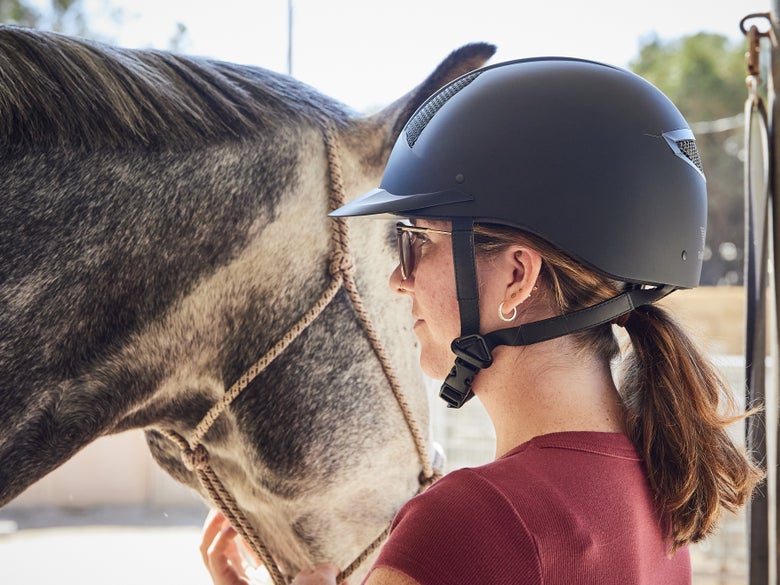
Why Proper Helmet Sizing Matters for Safety
The main purpose of a helmet is to protect your head from impact. If a helmet is too loose, it can shift during a fall, exposing vulnerable areas. If it is too tight, it can cause discomfort, headaches, or even distract you while riding. Professional helmet fitting ensures that the helmet sits correctly on your head, covering the forehead and fitting snugly without causing pressure points.
Many riders underestimate the importance of professional helmet fitting and rely on guesswork or generic sizing charts. While these charts provide a starting point, only a hands-on fitting can account for individual head shapes, hair volume, and personal comfort preferences. A helmet that fits well will:
- Stay securely in place during movement or impact
- Distribute force evenly to minimize injury
- Reduce the risk of the helmet coming off in an accident
- Increase wearer confidence and comfort
For those who participate in demanding disciplines, such as eventing, understanding how to choose a helmet for eventing can further enhance safety across all phases of competition.
Common Risks of Improper Helmet Fit
Wearing a helmet that does not fit properly exposes you to several risks. Some of the most common issues include:
- Reduced Protection: A helmet that is too loose can move during a fall, failing to protect the intended areas.
- Discomfort and Distraction: Pressure points, headaches, or pinching can distract you from focusing on your activity.
- Increased Risk of Ejection: Helmets that are not snug may come off entirely during an accident, leaving your head unprotected.
- Improper Ventilation: A poor fit can block ventilation channels, causing overheating and discomfort.
These risks highlight why seeking a professional fitting is not just a matter of comfort but a critical safety step.
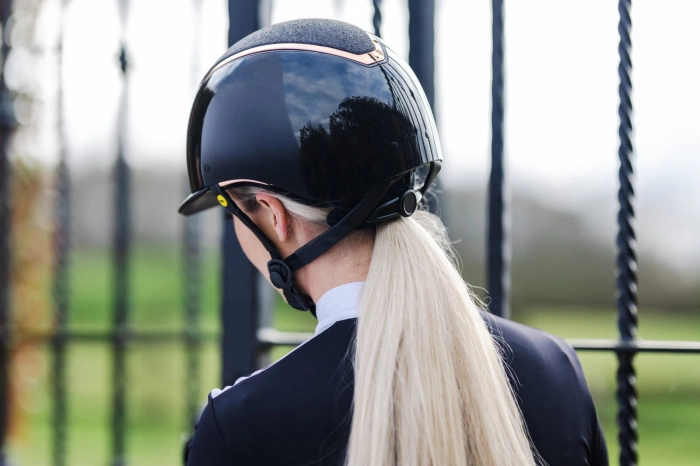
What to Expect During a Professional Helmet Fitting
When you visit a professional for helmet fitting, the process goes beyond simply measuring your head. Here’s what typically happens:
- Head Measurement: The fitter measures the circumference of your head at its widest point, usually just above the eyebrows.
- Shape Assessment: Professionals assess whether your head is round, oval, or intermediate, which affects helmet selection.
- Helmet Selection: Based on measurements and shape, several helmet models are tried to find the best match.
- Fit Adjustments: Padding, liners, and adjustment systems are fine-tuned for a secure, comfortable fit.
- Movement Test: The fitter checks for movement by asking you to shake your head, bend over, and simulate riding positions.
This thorough approach ensures that your helmet will perform as intended in real-world conditions. For more on helmet care and protection, see how to protect a riding helmet during shipping.
Key Benefits of Expert Helmet Fitting
Choosing to have your helmet fitted by a professional offers several advantages:
- Maximum Protection: A properly fitted helmet absorbs and distributes impact forces more effectively.
- Enhanced Comfort: Custom adjustments reduce pressure points and improve ventilation, making it easier to wear your helmet for extended periods.
- Long-Term Value: A well-fitted helmet is less likely to be replaced due to discomfort, saving you money over time.
- Compliance with Safety Standards: Professionals ensure your helmet meets the latest safety certifications and fits according to manufacturer guidelines.
These benefits underscore the importance of professional helmet fitting for anyone who values safety and performance.
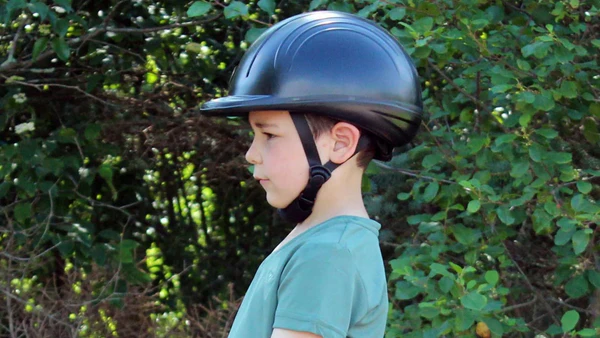
Tips for Maintaining Helmet Fit Over Time
Even after a professional fitting, it’s important to regularly check your helmet’s fit. Here are a few tips to ensure ongoing protection:
- Check the Fit Annually: Head shapes can change over time, especially for younger riders. Reassess your helmet’s fit at least once a year.
- Inspect After Impact: If your helmet has been dropped or involved in a fall, have it inspected by a professional. Damage may not always be visible.
- Follow Manufacturer Guidelines: Each brand may have unique care and adjustment instructions. Adhering to these helps maintain fit and safety.
- Store Properly: Avoid leaving your helmet in hot cars or direct sunlight, as heat can warp the shell and padding.
For more information on helmet construction and its impact on safety, you can read about understanding the role of the outer shell in helmet safety.
How to Choose the Right Helmet for Your Needs
With so many helmet options available, selecting the right one can be overwhelming. Here are some factors to consider:
- Activity Type: Different sports and disciplines require helmets with specific features and certifications.
- Head Shape: Some brands cater to rounder or more oval head shapes. Try on several models to find the best fit.
- Weight and Comfort: Lightweight helmets reduce neck fatigue, especially for long rides. For more on this, see how to evaluate helmet weight for neck comfort.
- Adjustability: Look for helmets with adjustable fit systems, removable liners, and customizable padding.
- Safety Standards: Ensure your helmet meets or exceeds current safety certifications for your activity.
Consulting with a professional ensures you get a helmet that matches your needs and fits perfectly.
Additional Resources for Helmet Fit and Safety
For those seeking more detailed guidance, there are several excellent resources available. One such resource is this comprehensive guide to equestrian helmet sizing and fit considerations, which covers everything from measuring your head to understanding helmet safety standards. Taking the time to educate yourself and seek professional advice can make all the difference in your safety and comfort.
Frequently Asked Questions
How often should I have my helmet professionally fitted?
It’s recommended to have your helmet checked by a professional at least once a year, or sooner if you notice discomfort, changes in fit, or after any impact. Children and teenagers should be fitted more frequently due to rapid growth.
Can I fit a helmet myself using online guides?
While online guides can provide helpful tips, they cannot replace the expertise of a professional fitter. Subtle differences in head shape and helmet design are best assessed in person to ensure optimal safety and comfort.
What are signs that my helmet no longer fits properly?
If your helmet shifts when you move your head, causes pain or pressure points, or feels loose even after adjustments, it may no longer fit correctly. In these cases, seek a professional fitting or consider replacing your helmet.