


Choosing the right head protection is one of the most important decisions any equestrian can make. Whether you’re a casual rider or a competitive athlete, the helmet you select impacts your comfort, safety, and overall riding experience. Today’s riders face a choice between lightweight vs traditional riding helmets, each offering unique benefits and considerations. Understanding the differences can help you make an informed decision that matches your needs and preferences.
Modern advances have introduced lighter, more breathable options, while classic designs remain popular for their robust construction and familiar feel. This guide breaks down the key features, advantages, and trade-offs between these two categories, helping you weigh what matters most for your riding style and discipline.
For those interested in understanding how helmets are rated for safety, you may want to review the equestrian helmet safety ratings to see how different models compare in terms of protection and certification.
Comparing Modern Lightweight Helmets and Classic Styles
When evaluating lightweight vs traditional riding helmets, it’s helpful to start with a clear understanding of what sets these two types apart. Lightweight models are engineered with advanced materials such as polycarbonate shells, EPS foam, and innovative ventilation systems. Their primary focus is reducing weight and maximizing airflow, which can be especially beneficial during long rides or in hot climates.
On the other hand, classic helmets typically feature thicker outer shells, more substantial padding, and a design that prioritizes durability and a secure fit. Many riders appreciate the traditional aesthetic and the sense of security these helmets provide, especially in disciplines where appearance and tradition play a significant role.
Key Features of Lightweight Riding Helmets
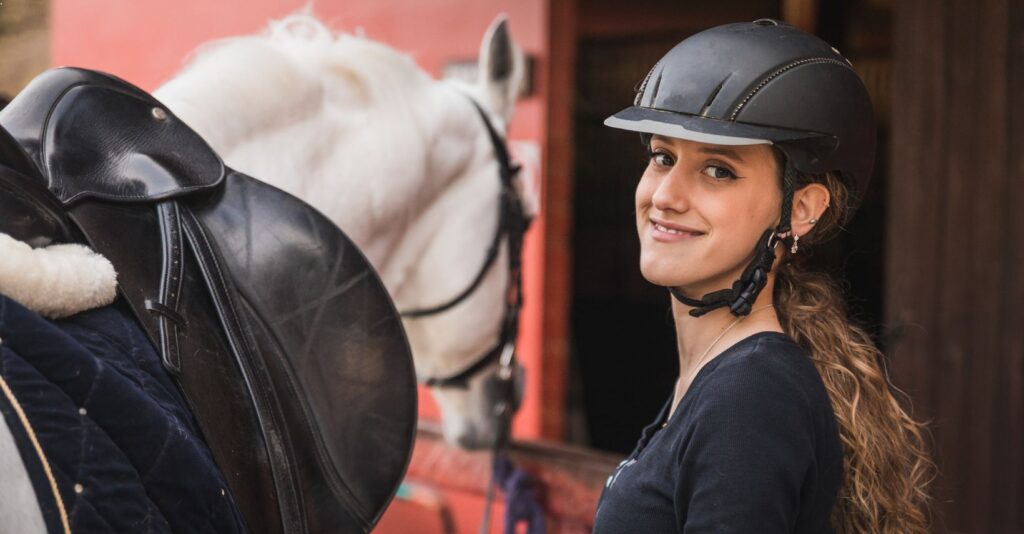
Lightweight helmets have surged in popularity thanks to their comfort and contemporary look. Here are some of the main features that set them apart:
- Reduced Weight: Many models weigh significantly less than their traditional counterparts, reducing neck fatigue during extended rides.
- Enhanced Ventilation: Strategically placed vents and breathable liners help keep riders cool, even in warm weather.
- Modern Materials: Use of polycarbonate, carbon fiber, and advanced foams offer strength without bulk.
- Low-Profile Design: Sleeker shapes that sit closer to the head, often preferred for a more streamlined appearance.
- Adjustability: Many lightweight options include dial-fit systems or adjustable harnesses for a customized fit.
Advantages of Traditional Equestrian Helmets
Classic helmets remain a staple for many riders, especially in disciplines like dressage, show jumping, and eventing. Their enduring popularity is due to several factors:
- Sturdy Construction: Thicker shells and robust padding provide a reassuring sense of protection.
- Timeless Appearance: Many riders value the traditional look, which aligns with formal attire and competition standards.
- Proven Durability: These helmets are often built to withstand repeated use and the rigors of daily riding.
- Secure Fit: Heavier materials and classic harness systems can feel more stable for some riders.
- Widely Accepted: Traditional helmets are often required or preferred in certain competitive settings.
Safety Standards and Certification
No matter which type you choose, safety should always be the top priority. Both lightweight and traditional helmets must meet rigorous safety standards set by organizations such as ASTM, SEI, and VG1. When shopping, look for certification labels inside the helmet to ensure it meets current requirements.
For a deeper dive into how helmets are tested and what makes them safe, you can read this comprehensive explanation of riding helmet safety features and the role of technologies like MIPS in modern helmet design.
Comfort and Fit: What to Consider
Comfort is a major factor in helmet selection. Lightweight options are often favored for their barely-there feel and superior breathability, making them ideal for summer riding or long hours in the saddle. Traditional helmets, while heavier, can offer a snug, stable fit that some riders find more reassuring.
Proper sizing is essential for both types. An ill-fitting helmet, regardless of style, can compromise safety. If you’re unsure about sizing, consult the equestrian helmet size guide or learn how to measure head for riding helmet to ensure you get the best fit.

When to Choose Lightweight Over Traditional (and Vice Versa)
The decision between lightweight and classic helmets depends on several factors:
- Climate: Riders in hot or humid areas may prefer lightweight, ventilated models for better temperature control.
- Discipline: Some competitive events have dress codes favoring traditional styles, while others allow modern designs.
- Personal Comfort: If you experience neck fatigue or discomfort with heavier helmets, a lighter option may be best.
- Budget: Both types are available across a range of price points, but advanced lightweight models can be more expensive due to materials and technology.
- Frequency of Use: Daily riders may appreciate the comfort of a lightweight helmet, while occasional riders might prioritize durability.
Care and Maintenance Tips
Regardless of which style you select, proper care will extend the life of your helmet and maintain its protective qualities:
- Store in a cool, dry place away from direct sunlight.
- Clean the outer shell and interior lining with mild soap and water; avoid harsh chemicals.
- Check for cracks, dents, or compressed foam after any impact—replace immediately if damaged.
- Follow manufacturer guidelines for replacement, typically every 3-5 years or after a fall.
Frequently Asked Questions
Are lightweight helmets as safe as traditional ones?
Both types must meet the same safety standards and certifications. The key is to choose a helmet that is properly certified and fits well. Modern lightweight designs often incorporate advanced materials and technologies without compromising protection.
How do I know if my helmet fits correctly?
A well-fitting helmet should sit level on your head, snug but not uncomfortably tight, and should not move when you shake your head. For detailed instructions, refer to the how to measure head for riding helmet guide.
Can I use the same helmet for different equestrian disciplines?
Many helmets are designed for versatility, but some disciplines have specific requirements for appearance or safety features. Always check the rules for your chosen activity and ensure your helmet meets the necessary standards.